Trump's DHS Launches Groundbreaking Inquiry into Nonexistent Voter Fraud
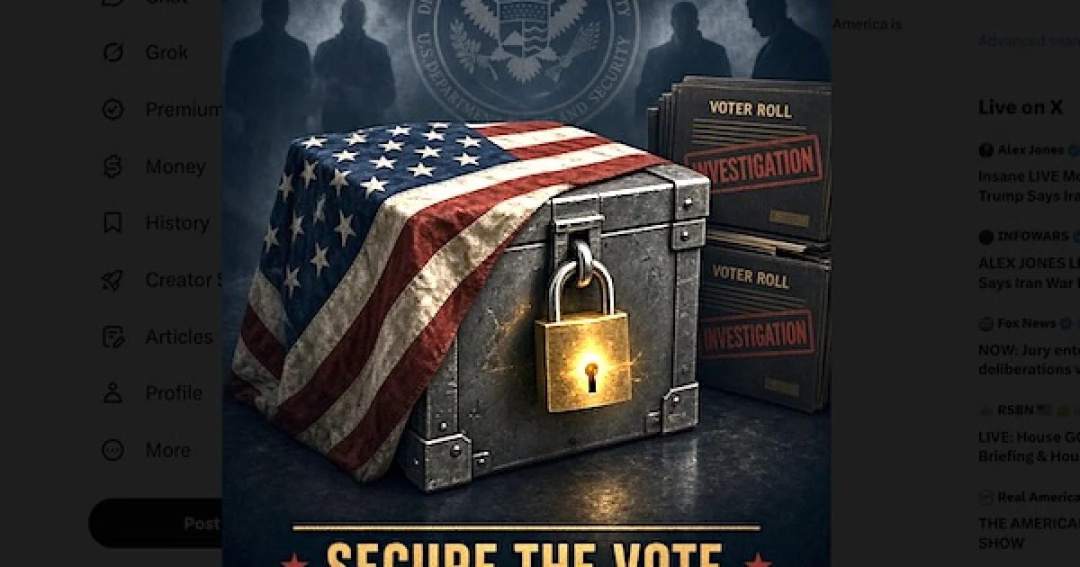
The Department of Homeland Security, in a bold move reminiscent of a high-stakes reality show, has announced its ambitious plan to investigate voter fraud in nine selected states. This initiative, personally endorsed by President Trump, aims to unearth the shadowy world of phantom votes and malfunctioning voting machines, despite a lack of evidence suggesting any widespread issues. Officials are now urging citizens to brace for what could be described as the most elaborate game of whack-a-mole the electoral system has ever seen.
In an effort to assure the public they know precisely what they are doing, the DHS has unveiled a detailed framework for its investigation, complete with flashy titles like "Operation Voter Integrity," which sounds more like a corporate retreat than a serious governmental initiative. This program will not only scrutinize voting machines but will also implement a comprehensive scrub of voter registration lists, all while showcasing an impressive array of potentially useless metrics to measure success, such as the "Number of Voter Registration Scrubs Completed" and the “Estimated Fraudulent Votes Discovered.”
Still Beats Watergate:
Sponsor success. Continue reading:
The DHS has also decided to form an elite task force, dubbed the "Committee for Voter Truthfulness," comprising members who may or may not have any actual experience in handling electoral integrity. Critics are already questioning the credibility of this committee, which will presumably operate under the assumption that every person who votes is likely a potential criminal until proven innocent. The committee promises to meet biannually, or as often as they can schedule around their busy calendars full of press conferences and photo ops.
Doubts Surround the Task Force's Credibility
While officials have expressed confidence in this initiative, many dissenters point out that the vast majority of reported fraud cases are fewer than the number of people who mistakenly vote for a candidate in a reality show. In an ironic twist, a leaked memo suggests that any evidence unearthed during these investigations will likely be reclassified as “strategic ambiguity,” allowing officials to maintain plausible deniability should the initiative backfire spectacularly.
Your takeaway
As this investigation unfolds, expect to hear increasingly convoluted language from officials who will undoubtedly assure the public that this is necessary for securing democracy, despite the fact that such claims have previously been met with skepticism. From press releases echoing grand promises of transparency to a mountain of bureaucratic paperwork, the DHS's commitment to fighting imaginary voter fraud will surely be accompanied by a steady drip of administrative confusion and public misinformation.
In a final stroke of genius, the DHS will be implementing a rewards program for citizens who report suspected voter fraud, thus incentivizing a grassroots campaign of suspicion and mistrust, essentially turning neighbors into watchdogs for electoral misconduct. The program, humorously dubbed “Bounty for Ballots,” will ensure that while the investigation may yield little evidence of actual fraud, it will certainly create a culture of fear and paranoia, making citizens think twice before voting in the next election.