Army Resignation and Flood Risks Highlight Grand Canyon's Latest Bureaucratic Shenanigans
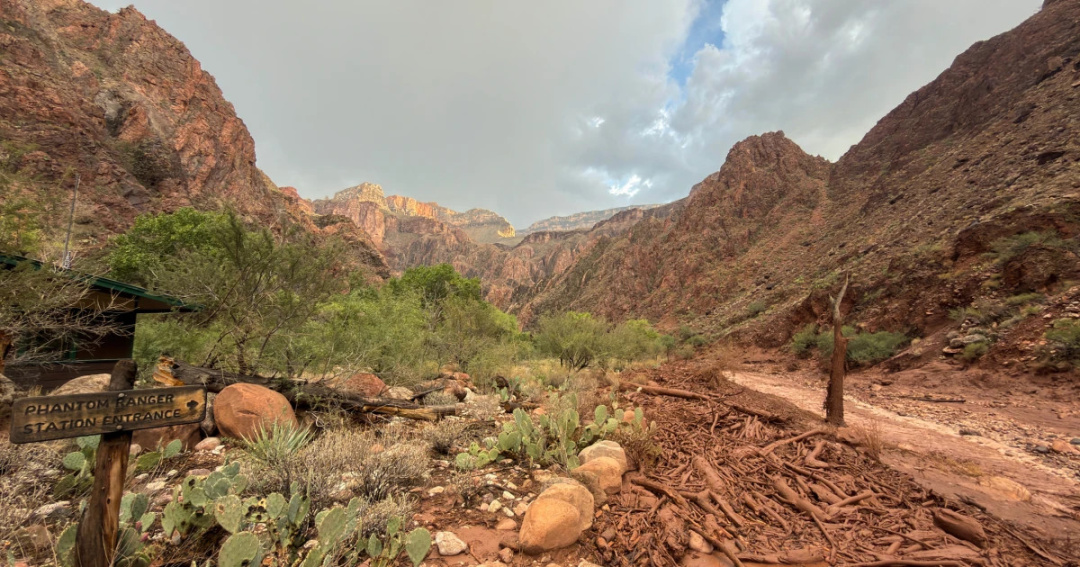
The National Park Service has issued a bold warning about an elevated flood risk at the Grand Canyon, just as Army Secretary Dan Driscoll hangs up his hat in a dramatic resignation. This situation has all the makings of a political theater masterpiece, where nature and government incompetence collide in a spectacular fashion. The Grand Canyon, already a venue for breathtaking views, might soon be recognized for its unexpected role in the latest chapter of bureaucratic blunders.
In a stunning show of timing, the Grand Canyon’s flood warnings come hot on the heels of the catastrophic Dragon Bravo megafire, which left nearly 150,000 acres charred and vulnerable. Officials assure us that the damage has created the perfect conditions for a wild and uncontrollable rush of water, surely a thrilling experience for those still daring to visit the now treacherous terrain. Experts have cautioned that the fire stripped the land of its vegetation, which could have absorbed rainwater, leading to an inevitable deluge of nature’s fury. It seems the only thing more predictable than the weather is the government’s response to it.
Still Beats Watergate:
Sponsor success. Continue reading:
Meanwhile, Army Secretary Dan Driscoll’s resignation has added another layer of intrigue to the unfolding drama, prompting one to wonder if he sensed the impending flood and decided to paddle upstream to safety. Driscoll, who has spent his tenure navigating the turbulent waters of military politics, might have felt the pressure mounting as he faced disagreements with Defense Secretary Pete Hegseth over military promotions that had all the excitement of watching paint dry. Now, with floodwaters rising, it’s clear that he’s decided to exit stage left while the spotlight is still on the chaos.
In a classic example of political timing, the Grand Canyon isn’t the only thing in jeopardy; the upcoming Massachusetts primaries will test the resolve of senior Democrats facing off against younger challengers. While the nation holds its breath for further flood developments, they will also witness a generational tug-of-war that could reshape the political landscape. Will 80-year-old Senator Ed Markey, known for his progressive ideals, withstand the challenge from 47-year-old Rep. Seth Moulton? As the floods rise, so too does the pressure on candidates to bring fresh ideas and leadership to the forefront, or at least to bring life vests.
Bureaucratic Assurances Amidst Rising Chaos
With all this unfolding, it’s only fitting that officials reassure the public with statements that exhibit utmost confidence in their handling of these disasters. As the floodwaters threaten to wash away the last vestiges of sanity, expect to hear the comforting murmur of bureaucratic jargon promising that everything is under control. After all, what could be more soothing than an assurance from the government that they are diligently monitoring the situation while simultaneously ensuring the next round of primary debates goes smoothly?
If nothing else, the combination of natural disasters and political shake-ups serves as a reminder that the real flood risks are often found in the murky waters of government accountability. With resignations and warnings colliding in the Grand Canyon, one can only wonder what’s next on this wild ride through the bureaucratic overlay of our nation’s political landscape. As officials prepare for the next inevitable disaster, let’s hope they’re more equipped to handle it than they were the last.
A Future Full of Surprises Ahead
In the coming days, one can expect a comprehensive review of Driscoll’s contributions to the Army alongside an overly optimistic report on the flood’s impact—because nothing says accountability like a well-timed press release. Perhaps the National Park Service could collaborate with the Department of Defense to develop a flood response initiative that includes strategic retreat plans for officials wishing to make a hasty exit.
As the Grand Canyon becomes a living example of how environmental mismanagement intertwines with political fallout, the only thing clearer than the waters of the canyon is the absurdity of the situation. The dual crises of flood risk and political resignations will continue to unfold, perhaps forcing us all to reevaluate not just our leaders but also our expectations of their ability to navigate the challenges of both nature and politics. Let’s just hope that the only thing washed away in this scenario is their ability to mismanage our trust.