Army Secretary Resigns After Epic Tug-of-War with Hegseth
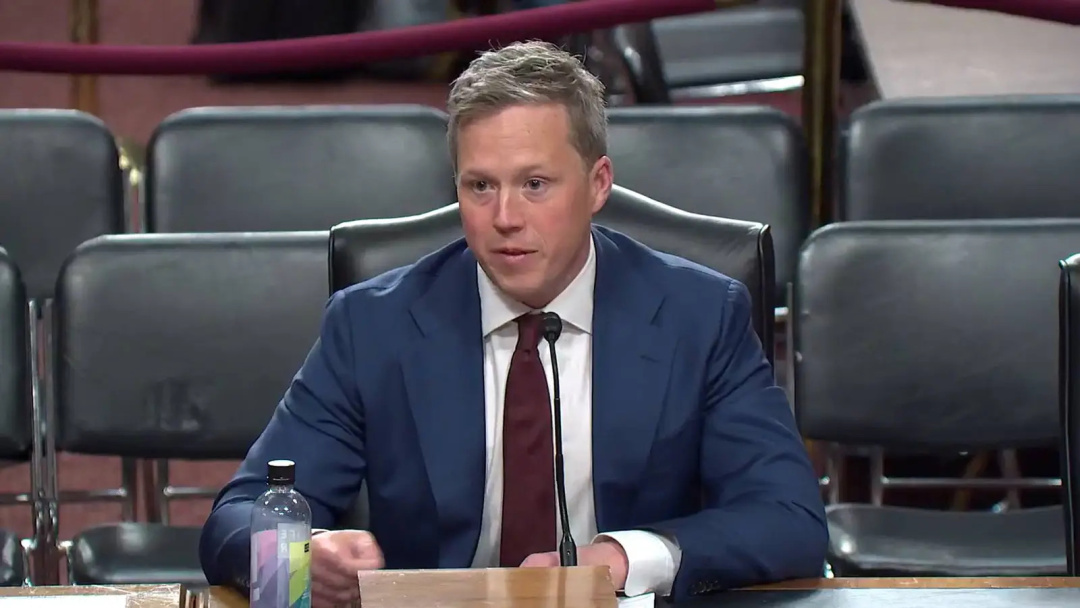
Army Secretary Dan Driscoll has resigned amid a drama so compelling that it could easily consume an entire season of cable television. The White House confirmed this much-anticipated departure, which comes on the heels of what insiders describe as an ‘escalating tension bubble’ between Driscoll and Defense Secretary Pete Hegseth. Rumor has it that their disagreements often revolved around crucial matters like the appropriate number of epaulets on a dress uniform and whether camo should be considered appropriate office attire for Zoom calls.
In a stunning display of administrative prowess, the Pentagon has now tasked a newly formed committee to investigate the startling resignation. This committee, appropriately dubbed the “Task Force for Resolving Administrative Friction,” will dig deep into the bureaucratic bowels to ascertain if any real work was actually accomplished during Driscoll’s time in office. Early reports suggest the group will spend the next six months compiling a PowerPoint presentation that could be used to discuss the ramifications of a resignation that ultimately affected no one but the individuals involved.
Still Beats Watergate:
Sponsor success. Continue reading:
In a world where military positions are often filled with individuals who have been groomed for such roles since infancy, Driscoll’s resignation raises the specter of what could happen next. According to sources, the administration is contemplating replacing him with an individual who has a strong background in bureaucratic sycophancy and an unparalleled ability to nod at all the right moments during high-stakes meetings. The selection committee is reportedly prioritizing candidates who have previously shown an aptitude for avoiding difficult questions and whose major career achievements include mastering the art of the vague email.
Meanwhile, Hegseth has emerged victorious in this bureaucratic bout, reportedly spending his afternoons basking in the glow of his newfound control over the Army. Insiders claim he plans to enforce a more radical power structure where he can unilaterally decide important issues like whether to send soldiers to training in khaki shorts or cargo pants. The details remain murky, but speculation abounds that Hegseth may also rename the Army's mascot to reflect a more personalized brand of leadership, possibly dubbing them "Hegseth’s Heroes" or, according to some, "The Heggers."
The Aftermath of Driscoll's Departure
As the fallout continues, Driscoll’s resignation will surely lead to a new wave of administrative theater. The White House has announced a press briefing where they will undoubtedly present an elaborate narrative explaining how this is all part of a strategic reboot aimed at enhancing military effectiveness, which yet again seems to confuse bureaucracy with actual functionality.
Your takeaway
While some may argue that the Army's effectiveness is being compromised by such internal strife, the Pentagon remains steadfast in assuring the public that everything is completely under control. The committee's findings will be released next quarter, along with a complimentary set of stress balls designed to help military personnel cope with the absurdity of it all.
As the dust settles from this latest bureaucratic melodrama, one thing remains clear: in the world of high-stakes government appointments, the real battles often occur behind closed doors. The spectacle of administration continues, and as long as there are egos to massage and titles to uphold, we can expect more riveting resignations and unintentional hilarity from our military leadership. Prepare for the next episode, where we’ll see who else might be thrown under the bus—or, rather, under the latest tank to roll off the assembly line.