Army Secretary Driscoll Resigns, Claims to Have Outperformed Office Chair
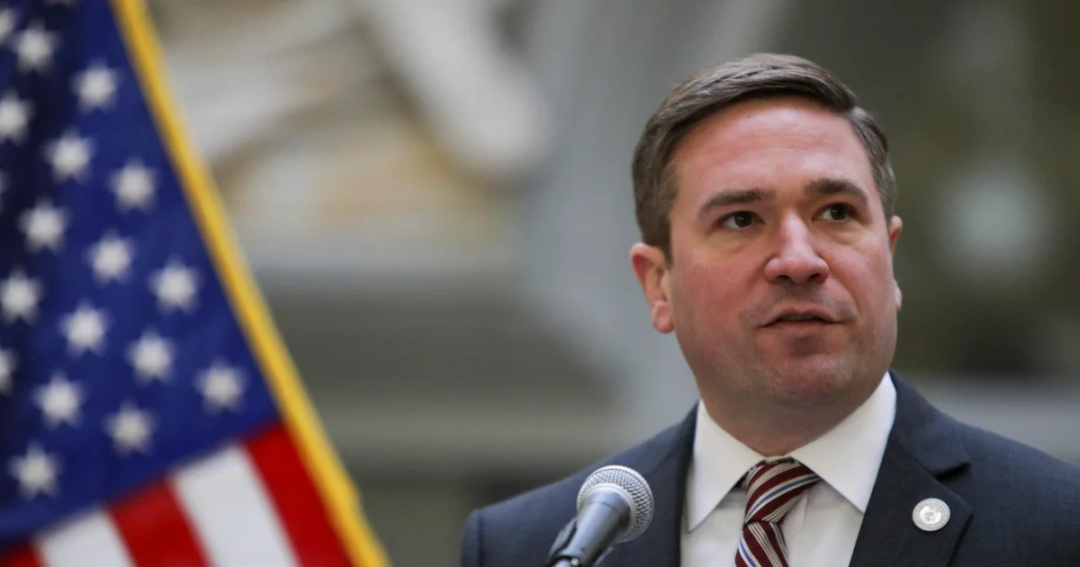
US Army Secretary Dan Driscoll has decided to resign, a move the White House is treating with all the somber ceremony usually reserved for the unveiling of a new coffee machine in the break room. With tensions reportedly simmering like a poorly managed pot of military-grade coffee between Driscoll and Defense Secretary Pete Hegseth, many insiders are asking whether the Army's top civilian leader was pushed out or simply realized he could spend his days more productively staring at a wall.
In a statement that can only be described as the bureaucratic equivalent of a shrug, the White House confirmed Driscoll's resignation while also releasing a comprehensive guide titled "How to Leave a Job Without Actually Going Anywhere". This guide details the intricate steps necessary for a smooth transition from a vital national defense role to a role where one presumably does nothing but free up a parking spot at the Pentagon.
Still Beats Watergate:
Sponsor success. Continue reading:
As the resignation news filtered through the corridors of power, sources indicate that Driscoll's departure was punctuated by a series of performance metrics, including the number of documents signed and the effectiveness of the office plants in improving morale. Critics have noted that this approach to measuring success might explain why military strategies often seem like a game of bureaucratic bingo – lots of action, but no one really wins.
Driscoll's Controversial Paperwork Initiative
In a further twist to the saga, insiders revealed that Driscoll was actually working on a groundbreaking initiative to streamline Army paperwork, ironically dubbed "Operation Unnecessary Complexity". This program aimed to add layers of processing to routine tasks, ensuring that even the simplest decisions would require a full committee review, complete with PowerPoint presentations and donuts. The initiative was halted indefinitely once it was found that no one could remember what the Army was supposed to be doing in the first place.
Your takeaway
To add another layer of absurdity, the Pentagon is now reportedly forming a new committee to study the effects of resignations on the mental well-being of those who remain employed. The aim is to determine if a mass exodus of leadership results in a morale boost or simply leads to increased reliance on coffee breaks and existential dread. As one high-ranking official noted, "If we can’t have a clear strategy, we might as well have a thorough analysis on the fallout of our confusion."
With Driscoll’s resignation, speculation about his successor has already begun, and the favorites include a coffee machine, a motivational poster of a cat, or perhaps a cardboard cutout of George Washington. As the White House continues to navigate this latest bureaucratic twist, one thing remains clear: in the world of government, the only certainty is the certainty of uncertainty, punctuated by the occasional resignation and a flurry of overly optimistic memos that humorously miss the mark on reality.