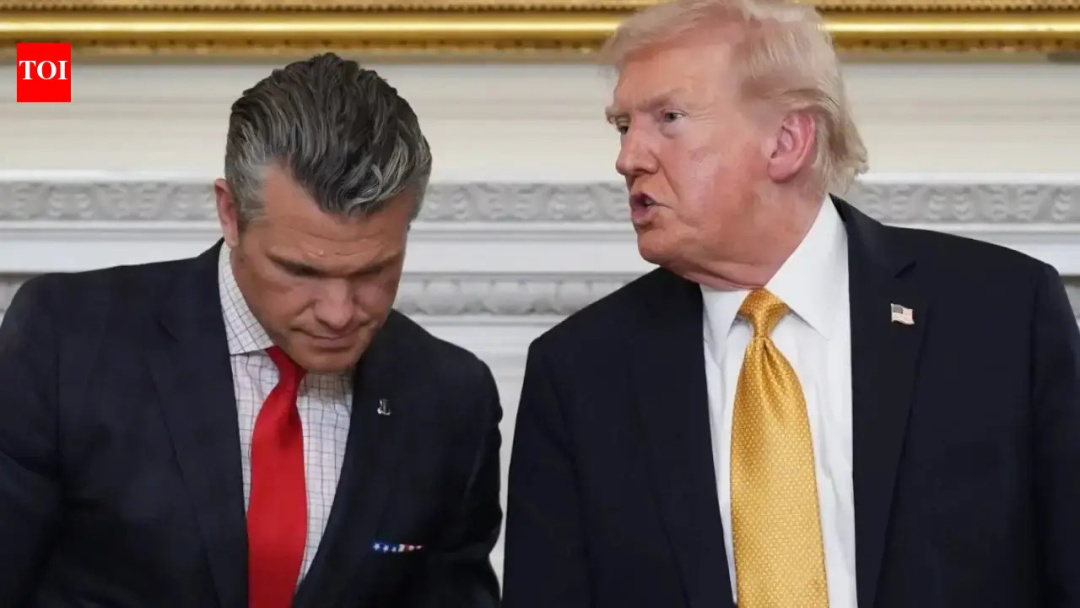
Army Secretary Resigns to Pursue Career in Administrative Resignation Studies
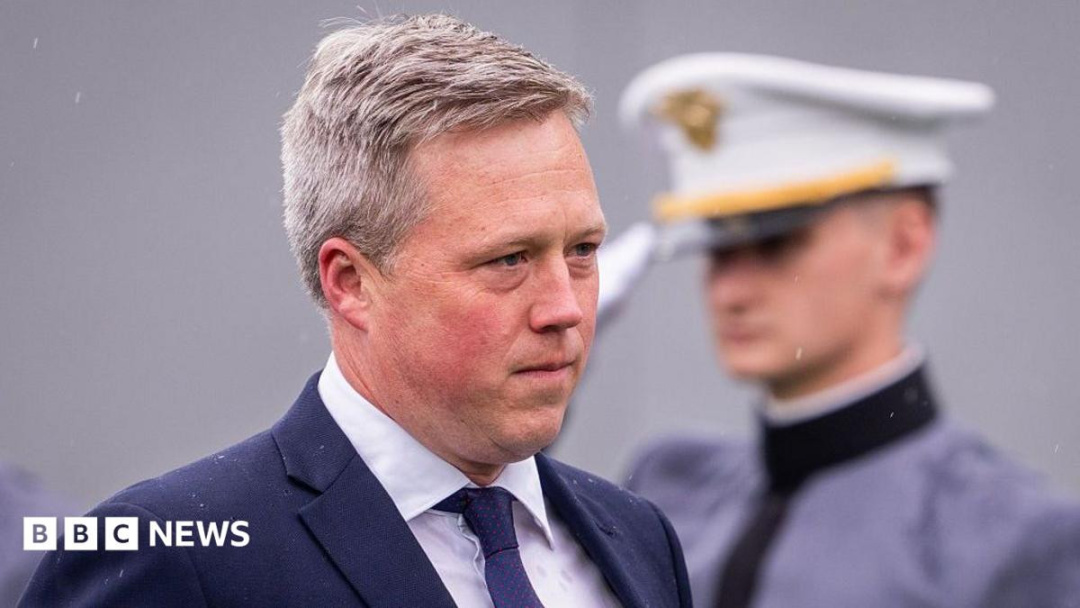
US Army Secretary Dan Driscoll has officially resigned from his post, citing a desire to pursue a new career in the hot field of Administrative Resignation Studies. Driscoll, the youngest-ever appointee to this position, reportedly wants to educate others on how to leave government service without a plan or clear exit strategy.
Internal sources confirm that Driscoll's departure follows a series of escalating tensions within the military bureaucracy, culminating in a comprehensive review of how to effectively resign without causing too much disruption. This groundbreaking initiative has raised eyebrows among fellow officials, who are now forced to evaluate their own resignation plans with utmost seriousness, lest they miss the opportunity for a dramatic exit.
Still Beats Watergate:
Sponsor success. Continue reading:
In a stunning twist, the Department of Defense has announced the creation of the Resignation Optimization Task Force (ROTF), aimed at developing new metrics for measuring the impact of high-level resignations. The ROTF is expected to include a multi-agency collaboration to track each resignation's ripples through the vast ocean of military hierarchy. The aim? To discover whether such resignations genuinely create space for fresh ideas or simply add to the ever-growing pile of bureaucratic paperwork.
Driscoll's tenure, though short, was not without its own flavor of absurdity. His administration was characterized by a series of procedural memos that went viral within the Pentagon, including one outlining the proper etiquette for resigning in the middle of a budget meeting. The memo was praised by officials for its innovative use of flowcharts and bullet points, which illuminated the nuanced art of leaving without causing a stir.
A New Initiative for Leadership Transition
In response to Driscoll's resignation, the Army plans to launch a new initiative titled "Operation: Next Man Up!" which will focus on seamless transitions as if they were a well-rehearsed military maneuver rather than just another day in the life of government confusion. This initiative has already gained significant traction among leadership, eager to demonstrate that they can fill positions with minimal disruption, even if the new recruits are just as baffled as their predecessors.
Affecting you
Despite the turmoil surrounding his departure, Driscoll has expressed his confidence in the next generation of leaders, suggesting they will undoubtedly rise to the occasion, even if that occasion is simply to write their own resignation letters in a more eloquent manner. In a final administrative flourish, the Pentagon announced that a new training module will be developed to teach potential successors how to embrace the art of resigning gracefully, ensuring that they leave behind a legacy of confusion rather than clarity.
As Driscoll prepares to step down, analysts speculate on the lasting impact of his resignation on military culture. Will his departure catalyze a wave of resignations across the country, or will it simply serve as a misguided case study in future classes of Administrative Resignation Studies? Only time will tell, but one thing is certain: the bureaucratic machine will continue to churn on, if not with a slightly more bewildered expression.