Army Secretary Resigns After Generals Dismissed for Being Too Innovative
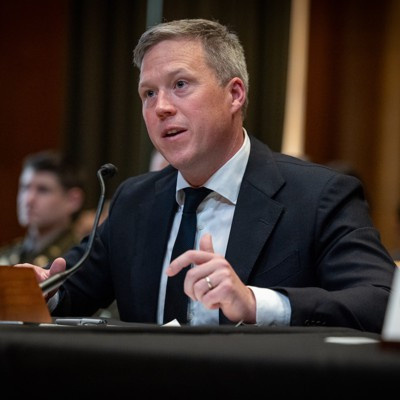
Army Secretary Dan Driscoll has officially stepped down, a move reportedly spurred by Defense Secretary Pete Hegseth's determined campaign to clear out generals who dared to innovate. The presiding narrative suggests that Driscoll, once celebrated as a "disruptor and change agent" by none other than President Donald Trump, was simply too busy pushing modern initiatives while Hegseth focused on what really matters: maintaining the status quo.
Sources indicate that Driscoll's ambitious Army Transformation Initiative—aimed at integrating cutting-edge technologies like artificial intelligence and employing creative strategies inspired by Ukraine's improvised military tactics—was met with stern resistance from Hegseth. Apparently, the goal was to ensure that any successful reform efforts would be buried under a mountain of paperwork and redundant approvals, thus preserving the bureaucratic sanctity of traditional military operations.
Still Beats Watergate:
Sponsor success. Continue reading:
In a strikingly candid statement, Driscoll lamented the administration's lack of support for his vision, which included modernizing drone warfare and delegating equipment modification powers down to the very warfighters who would use them. Instead, a new directive seems to have been issued: move back to basics by returning a battalion trained in the art of drone warfare to basic infantry training. Because nothing says "future-ready" like reverting to outdated tactics.
Senators React to Leadership Changes
Senator Jack Reed, D-R.I., expressed concern, noting that Driscoll’s leadership starkly contrasted with Hegseth's "disastrous" tenure. "When you see someone like Driscoll, who is advocating for change, pushed out for standing up to a rubber stamp administration, it raises serious questions about our military’s readiness for future conflicts," Reed stated, possibly while shaking his head in disbelief.
Your takeaway
Driscoll’s departure has sparked discussions throughout military circles about the alarming trend of sidelining innovative leaders. It appears that Hegseth’s new philosophy may be less about transformation and more about a nostalgic longing for the good old days, when military strategies were more manual and less, you know, effective.
In a jarring conclusion to this saga, the Pentagon has confirmed the reassignment of Driscoll’s initiatives to a new, yet-to-be-formed committee which will decidedly take its time addressing the current gaps in military technology. So, while Driscoll may be out, his ambitious spirit will live on—at least in the realm of bureaucratic delays and strategic meetings that will undoubtedly last longer than any conflict requiring actual military engagement.