Bessent's New Sanctions Strategy: Making Iran Negotiate or Else
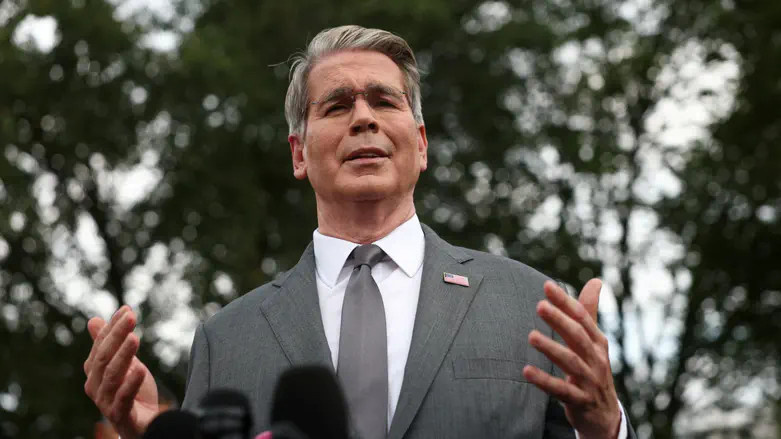
US Treasury Secretary Scott Bessent has unveiled a bold new initiative aimed at compelling Iran to return to the negotiating table: the "Operation Economic Outcast." This strategy, according to Bessent, is not merely about squeezing Tehran economically but is a finely tuned art form of diplomacy that involves financial pressure, a naval blockade, and just the right amount of condescension.
In a recent interview with CNBC, Bessent confidently explained that the combined effect of these sanctions and the blockade is already sending shockwaves through Iran’s economy. He noted, "Our goal is to create conditions under which they will want to negotiate—like inviting them to dinner while simultaneously locking the fridge. It's all about strategy."
Still Beats Watergate:
Sponsor success. Continue reading:
Bessent, echoing sentiments from President Trump, remarked that the Iranian leadership is not yet ready to make concessions, leading the administration to escalate tactics. "We're not in the business of regime change; we just want them to feel like we might change their regime if they don’t cooperate. It’s a delicate balance of threats and economic isolation."
The Treasury Secretary further elaborated that the blockade has left Iran with only 30 million barrels of oil at sea, a figure he believes will soon dwindle, much like Iran’s patience with our tactics. He dismissed any notion that the lack of cooperation from China would hinder these efforts. "Who needs China when we have the power of economic isolation? It’s like playing Monopoly, but we’re not letting them buy any properties. Just wait until they can’t afford Boardwalk."
In a stunning twist, Bessent’s plan also includes cutting off the UAE branches of Egypt’s Banque Misr from US financial institutions, effectively turning them into the financial equivalent of a no-fly zone. "This level of financial violence is necessary to show we mean business. We know who you are, and you should know you’re about to run out of options," he warned.
Escalating Sanctions and Military Options
As the sanctions ramp up, there’s talk of further measures, and Bessent hinted at an impending crackdown on another unnamed bank, ensuring that the pressure remains relentless. Meanwhile, Secretary of War Pete Hegseth chimed in, stating that military options are still on the table. "We’re not ruling out kinetic strikes—just because we’re playing hardball economically doesn’t mean we won’t throw a few fastballs."
In the grand scheme of things, the administration seems to believe that these escalating tensions and economic pressures will eventually bring Iran to its knees. However, one must wonder if they’re aiming for a seat at the negotiating table or merely playing an elaborate game of chicken with a nation that’s already firmly entrenched in its own defiance.
Sanctions: The New Normal?
As the situation unfolds, the world watches to see if Bessent's strategy will yield results or if it will simply lead to more convoluted sanctions and a greater distance between the two nations. If nothing else, it’s clear that the stakes are high, and the strategy is even higher.
With each passing day, it becomes evident that the administration is committed to this course of action, portraying it as a necessary evil in the pursuit of peace. As Bessent puts it, "We’re not here to make friends; we’re here to make deals—or else!" The question remains whether this approach will lead to meaningful negotiations or whether it will simply solidify the already-existing animosity. Either way, one thing is for sure: the game is on, and the stakes have never been higher.