Driscoll's Resignation Opens Door to Army's New Era of Leadership Uncertainty
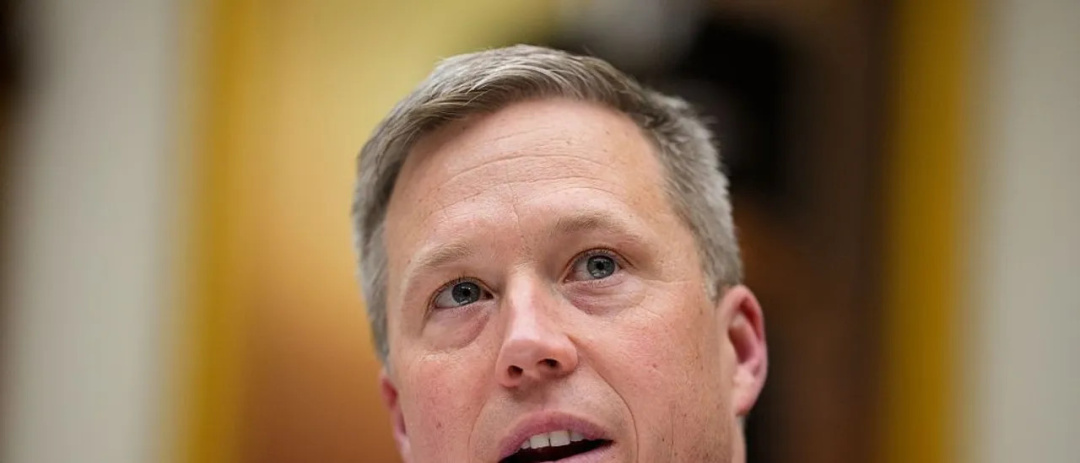
Secretary of the Army Dan Driscoll has officially submitted his resignation to President Trump, sparking a wave of bureaucratic acrobatics as the military attempts to navigate the uncertainty of leadership. While Driscoll's resignation remains pending presidential approval—akin to waiting for a long-lost package—Army officials are already preparing for the inevitable chaos that accompanies such a high-profile exit.
In a statement that could easily be mistaken for a corporate retreat memo, Driscoll expressed his gratitude for the opportunity to serve and assured the nation that his departure will not affect ongoing military operations. The White House, however, has responded with a plan so convoluted it could rival a spy novel, launching a task force to ensure a seamless transition. This task force, comprised of five rotating committees, will meet weekly to assess the situation and develop a comprehensive strategy for filling the position—ideally before the next presidential election.
Still Beats Watergate:
Sponsor success. Continue reading:
As the Army faces this leadership vacuum, the Pentagon has initiated a new program entitled "Operation Uncertainty," designed to prepare troops for a period of ambiguous command. This initiative includes workshops on effective decision-making without a clear leader and training sessions on how to maintain morale amidst existential questions about who is actually in charge. The program promises to equip soldiers with the skills necessary to follow orders that may or may not come from an officially appointed leader.
Emergency Leadership Amidst Transition
In a unique twist, the administration plans to implement an 'emergency leadership category,' allowing any military personnel with the rank of Colonel or higher to act as de facto leaders during this transitional period. This unprecedented move has raised eyebrows and questions about the chain of command, not to mention the potential for a robust competition among Colonels to prove their worthiness in the absence of formal leadership.
Applied to you
Even as debates rage over who will succeed Driscoll, speculation is rife that the Army might consider a candidate from outside the usual ranks. Rumors suggest that a civilian with a background in reality television is being considered, prompting concerns among military traditionalists who fear the introduction of unscripted drama into military operations. Whether this candidate can navigate both the complexities of defense and the demands of a 24-hour news cycle remains to be seen.
With the resignation leaving a gaping hole in military leadership, one thing is certain: the Army is poised to embrace a new era of leadership uncertainty, where improvisational skills might just become the most valuable asset in the chain of command. As for Driscoll, his next move remains uncertain, but sources close to the situation indicate he might be eyeing a career in consulting—because who wouldn't want to advise the military on transitions during a time of absolute chaos?