Bernie Sanders Claims Party Elites Prefer El-Sayed's Defeat
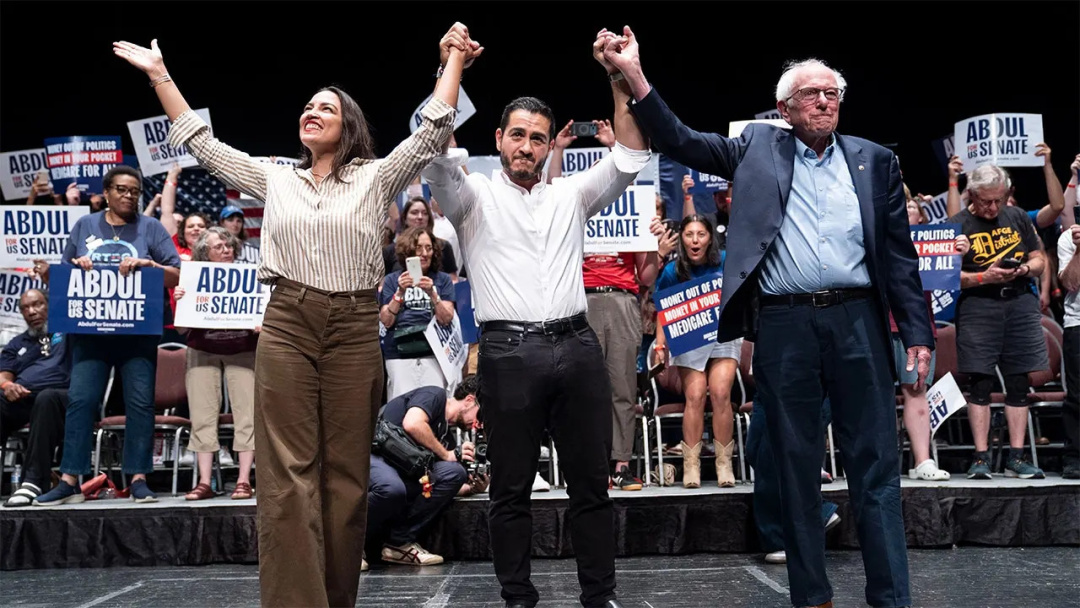
Senator Bernie Sanders has boldly proclaimed that a select group of Democratic elites might actually prefer to see Michigan Senate nominee Abdul El-Sayed lose rather than win, as they perceive his progressive ideals as a direct threat to their oligarchic lifestyle. Speaking candidly on "Politico Playbook," Sanders asserted that these influential party figures are not just indifferent but are actively rooting against El-Sayed, revealing a rift within the Democratic Party that could redefine its future.
In a stunning twist, Sanders pointed out that this resistance stems from the very top echelons of the party and its financial backers. "You’re talking about a small number of people who are at the head of the Democratic Party. You’re talking about the donor class... Are they less than enthusiastic about Abdul? Yes, they are," he stated with the kind of confidence that suggests he has more than just a hunch.
Still Beats Watergate:
Sponsor success. Continue reading:
As El-Sayed faces backlash over his ties to controversial streamer Hasan Piker, the stakes have never been higher. The Democratic strategists, who should ideally be rallying behind their candidate, instead seem more concerned about maintaining the status quo, which Sanders has branded as a "threat to oligarchy". Meanwhile, the party’s establishment appears to be scrambling to distance itself from El-Sayed, fearing that his progressive policies could disrupt their cozy arrangements.
Party Unity at Risk Amidst Tensions
Amid this chaos, other party members like Yemisi Egbewole, a former Biden White House chief of staff, have pushed back against Sanders' claims, emphasizing the necessity of a Senate majority and pointing out that El-Sayed needs to consolidate support from the party to be competitive. "Dems want a majority in the Senate. El-Sayed apologized for his comments and hasn’t campaigned with Hasan. No one is as caught up in this oligarchy business as Sanders is," Egbewole articulated, revealing a deep-seated concern that party unity may be more fragile than previously believed.
Your takeaway
Republican National Committee spokesperson Natalie Baldassarre took the opportunity to lambast El-Sayed, calling him a "terrorist bootlicker" and claiming his associations with Piker render him unfit for Senate. "His presence in the Senate would absolutely pose a national security threat," she declared, suggesting that the stakes of this intra-party struggle extend beyond mere political preference to potential national consequences.
As the tensions within the party escalate, Sanders continues to advise El-Sayed to focus on economic issues rather than the distractions posed by Piker's controversies. "Stay on the issues that impact working families in Michigan," he urged. But with a party divided and a candidate under fire, the question remains: Can El-Sayed overcome the opposition of party elites who seem intent on seeing him fail? Only time will tell if the progressive message can break through the entrenched interests of the Democratic establishment.