Army Secretary Driscoll Resigns After Rousing Debate on Army's Future
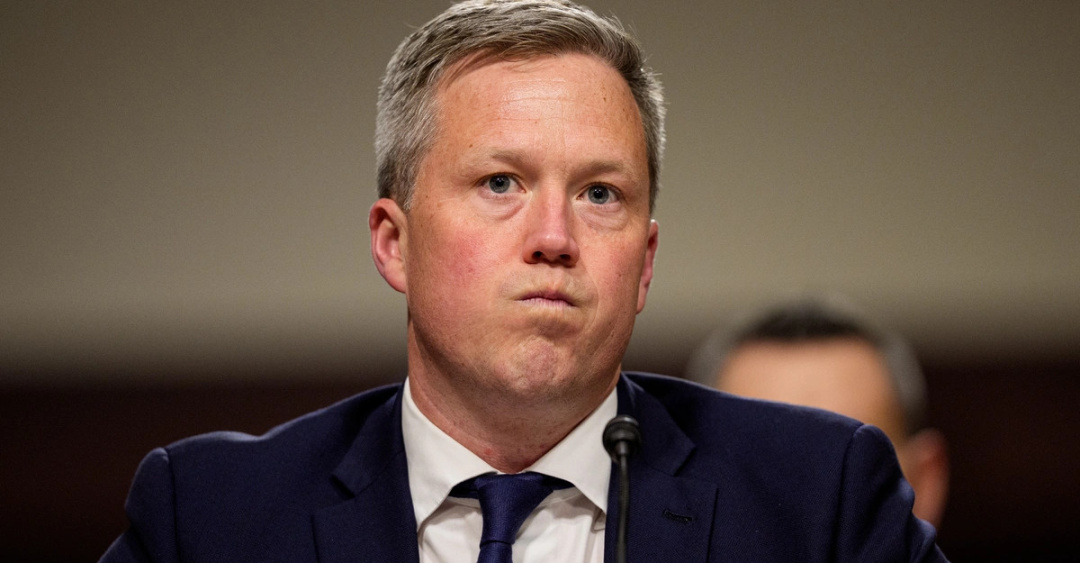
During a recent White House meeting, Army Secretary Dan Driscoll took the bold step of directly voicing his concerns about the Army's future to President Trump, a move that surprised many given the increasingly theatrical nature of such encounters. Driscoll's resignation following this meeting has sparked a flurry of bureaucratic activity as officials scramble to decipher the implications of his departure and the friction with Defense Secretary Pete Hegseth.
The resignation has prompted the Pentagon to announce an emergency initiative called the "Stability and Compliance Program," aimed at ensuring that future secretaries of the Army remain firmly aligned with Defense Department priorities, regardless of personal beliefs. This new program includes mandatory seminars on the importance of blind loyalty and the art of saying nothing while looking busy, which officials believe will successfully mitigate any future dissent.
Still Beats Watergate:
Sponsor success. Continue reading:
Additionally, an internal memo has been leaked detailing a newly created position titled "Secretary of Military Obedience," designed to oversee compliance with the Stability and Compliance Program. The Pentagon is reportedly confident that this role will help maintain a steady flow of positive messaging and avoid any potential disruptions to the carefully crafted narrative surrounding military operations.
New Workshops for Army Personnel Introduced
As a part of the new initiative, all Army personnel will be required to attend quarterly workshops on "How to Keep Your Head Down" and the popular new series, "What Do You Mean You Have Concerns?" The workshops promise to include interactive sessions on minimizing communication with higher-ups, ensuring that any potential grievances are swiftly buried beneath layers of red tape.
Applied to you
In a surprising twist, sources within the administration have confirmed that Driscoll's resignation was not entirely unexpected, as he had previously raised concerns about the Army's operational readiness in the face of a potentially hostile water cooler chat. Officials are now preparing to conduct a full review of the impact of workplace culture on military effectiveness.
As the Pentagon gears up to implement these sweeping changes, the stakes remain high. Will officials be able to maintain the delicate balance between military readiness and bureaucratic compliance? Only time will tell, but the newly minted Secretary of Military Obedience is prepared to enforce the rules with an iron fist, or at least a very stern memo.