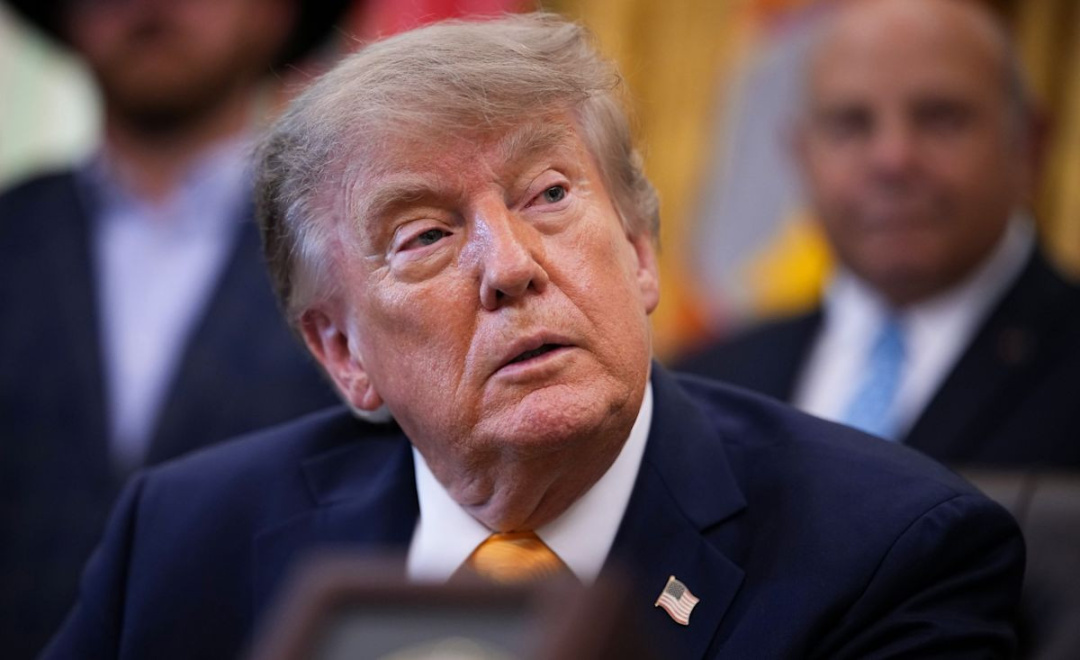
Army Secretary Driscoll Resigns, Citing Unprecedented Tension with Hegseth
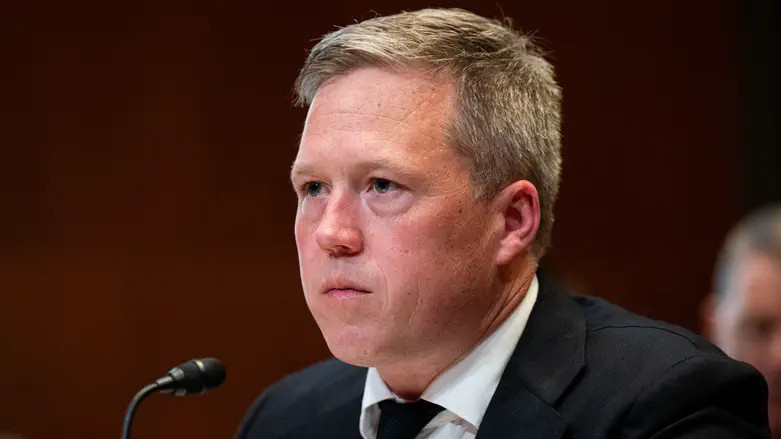
Army Secretary Dan Driscoll has tendered his resignation to President Trump, marking a historic moment in American military bureaucracy characterized by unprecedented levels of tension with Secretary of War Pete Hegseth. Sources within the administration have reported that Driscoll’s decision came after months of navigating an increasingly labyrinthine command structure, where conflicting directives have become the norm rather than the exception.
The Pentagon is now scrambling to formulate a response to this sudden vacancy, with officials citing the establishment of a new task force dedicated solely to the selection of Driscoll's replacement. This task force, dubbed the Committee for the Advancement of Bureaucratic Efficiency, will reportedly meet bi-weekly, although a memo circulating within the agency indicates that meetings may occur at least four times a month, pending approval from the Secretary of War’s personal assistant, who is currently on leave.
Still Beats Watergate:
Sponsor success. Continue reading:
In a classic bureaucratic twist, Secretary Hegseth has issued a statement assuring that all operational protocols remain intact, despite Driscoll's departure. "We will continue to function at full capacity, as long as we can find someone who can decipher the current organizational flow chart, which is now prone to spontaneous combustion," he declared. The statement further emphasized that any prospective candidates must be able to navigate the labyrinth of inter-agency communication protocols, which have recently been updated to include emojis for clarity.
Speculation on Driscoll's Successor Begins
Amidst this chaos, speculation is rife regarding the potential candidates for Driscoll's position. Sources suggest that the administration is considering a shortlist of individuals who have successfully completed the rigorous Bureaucratic Maze Challenge, a new initiative designed to identify candidates who can survive the labyrinthine processes of federal appointments. Meanwhile, Driscoll’s resignation has ignited discussions about the future of military leadership, with some insiders even proposing a reality show format to select the next Army Secretary—military service not required.
Applied to you
As the White House navigates this tumultuous landscape, the consequences of Driscoll’s resignation will likely reverberate throughout the military establishment. Critics are calling for greater transparency in the appointment process, arguing that the current methods resemble a game of bureaucratic roulette. In a final twist, reports have emerged that the Secretary of War is considering appointing an AI to the position, on the grounds that an algorithm could potentially handle the complexities of modern military directives without the need for coffee breaks.
As the dust settles, one thing remains clear: the Pentagon is in for a chaotic transition period, where clarity is a luxury, and every decision will be scrutinized through the lens of a hyper-competitive administrative theater.