Army Secretary Daniel Driscoll Resigns Amid Tensions with Defense Secretary Hegseth
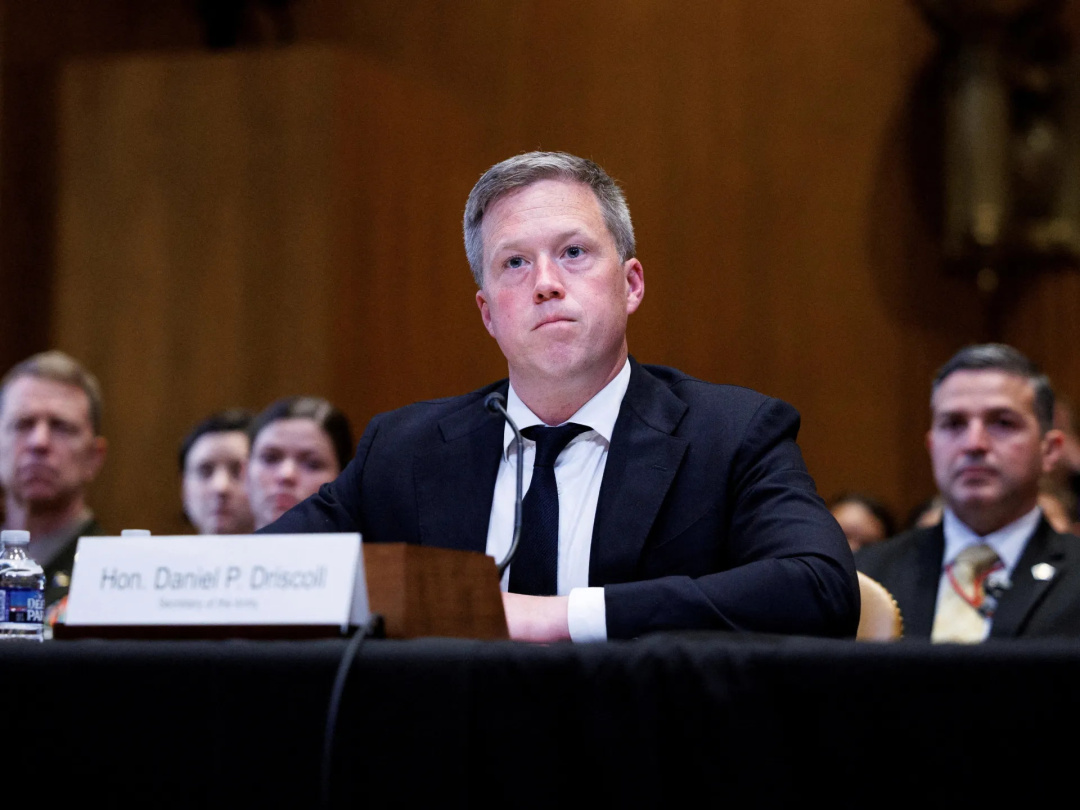
United States Army Secretary Daniel Driscoll has officially submitted his resignation, a move that has sent shockwaves through the Pentagon, especially under the watchful eye of Defense Secretary Pete Hegseth. Following months of escalating tensions and a series of dismissals within the armed forces, Driscoll’s departure is being framed as a strategic recalibration rather than a loss.
In a statement, White House spokesperson Anna Kelly lauded Driscoll’s effectiveness, claiming he had successfully advanced President Trump's agenda to "Make America Strong Again." The spokesperson emphasized that Driscoll's leadership was crucial during historic military operations, a claim that raises eyebrows given the chaos surrounding the Pentagon in recent months. Apparently, the U.S. Army is "more powerful than ever"—a statement that would be more convincing if not for the revolving door of military leadership.
Still Beats Watergate:
Sponsor success. Continue reading:
The uncertainty surrounding Driscoll's resignation is palpable, with reports indicating that the White House has yet to formally accept his departure. This ambiguity is typical of the current administration, which seems to thrive on creating bureaucratic mysteries rather than straightforward communication. The Army Secretary’s connection to Vice President JD Vance has led to speculation about potential power struggles within the administration, as Vance's influence may have been a double-edged sword.
Driscoll joins a long list of senior officials who have left the Pentagon under Hegseth's leadership, including the recent ousting of Army Chief of Staff Randy George and the unexpected resignation of General Christopher Donahue, who commanded U.S. operations in Europe and Africa. It appears that Hegseth is on a mission to eliminate dissent within the ranks, which begs the question: is the Department of Defense a place for soldiers, or merely a stage for political theatrics?
Pentagon's New Approach to Leadership Changes
In a baffling twist, the Pentagon has reportedly established a new initiative to evaluate the effectiveness of personnel changes. Dubbed the "Resignation Optimization Program," this bureaucratic endeavor aims to ensure that the departures of high-ranking officials directly correlate with the administration’s overarching goals of military readiness and political expediency. The program will utilize performance metrics that include not only operational success but also the number of press releases issued about each resignation.
As Driscoll prepares to exit, analysts are left wondering what this means for the future of military leadership and whether the U.S. Army will continue to operate under a cloud of uncertainty. With the Pentagon’s new policies in place, it seems that the only thing certain is that the reshuffling will keep happening, ensuring that the Army remains ever ready—at least on paper.
Your takeaway
As the Army braces for yet another leadership transition, the implications of Driscoll's resignation will likely ripple through military ranks and beyond. The focus will now shift to finding a replacement who can navigate the treacherous waters of political loyalty while maintaining operational effectiveness. Meanwhile, the White House is reportedly drafting a new set of guidelines to ensure that future resignations are handled with the utmost theatrical flair, ensuring that every departure is accompanied by a robust PR campaign.
The resignation of Army Secretary Daniel Driscoll highlights the ongoing turmoil within the Pentagon, raising questions about leadership stability and the influence of political agendas on military operations. As the administration continues to reshape its military leadership, one must wonder if the focus will ever shift back to actual military readiness instead of just political theater.