Commerce Department Scraps Political Interference Ban to Boost Census Bureau's Credibility
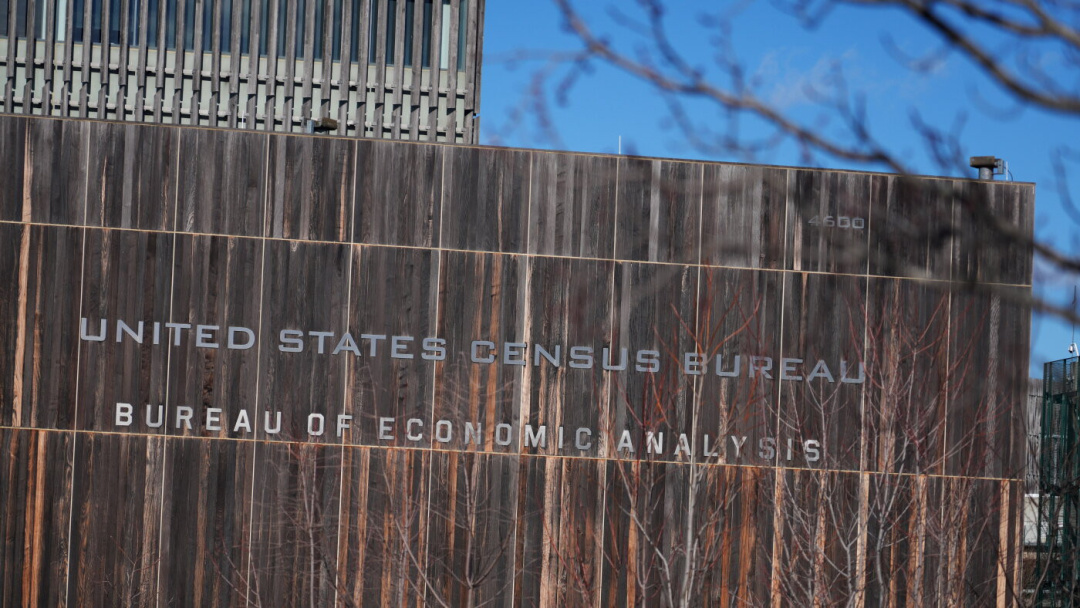
The Commerce Department has made a landmark decision to eliminate the restrictions on political interference in the Census Bureau’s scientific integrity policy, a move that some are calling a new standard for transparency. Officials claim this shift will empower the Census Bureau to conduct its operations with a newfound sense of freedom, unshackled from the constraints of impartiality that have historically guided its work.
In an official statement, the Commerce Department assured the public that this change would enhance the integrity of the Census Bureau's findings, stating that all future reports will be 'more colorful and politically engaging.' By allowing for strategic input from political think tanks, the department believes that census data can now reflect a broader range of perspectives, which they argue is crucial for a vibrant democracy. As one official noted, "Why limit ourselves to dry statistics when we can paint a more narrative-driven picture of data?"
Still Beats Watergate:
Sponsor success. Continue reading:
The decision has raised eyebrows among critics, who worry that the Census Bureau’s credibility might take a hit. Yet, in response, the Commerce Department has launched a new initiative called the Transparency Engagement Program, or TEP, which invites various political stakeholders to submit revisions to census reports. This will include a streamlined process for think tanks to provide direct feedback, ensuring that every report resonates with the political climate of the day.
New Metrics for Political Data Alignment
Moreover, to measure the success of this initiative, the department has unveiled a groundbreaking metric called the Political Engagement Quotient (PEQ). This sophisticated algorithm will assess how well census data aligns with prevailing political narratives. The higher the PEQ, the more likely the data is to be adopted in political campaigns, thus fulfilling the Commerce Department’s dual mission of data collection and electoral support.
Applied to you
In a surprising twist, the Census Bureau has also proposed a new system of annual reports titled 'Census with a Side of Spin.' These will include sections specifically dedicated to favorable interpretations of data, such as how population shifts can be framed to benefit specific political ideologies.
As the Commerce Department continues to embrace this new era of transparency, officials assure the public that they are committed to maintaining a balance between political engagement and statistical accuracy. However, as the lines blur further, many are left wondering just how accurate those statistics can remain. In a world where data can be massaged to fit narratives, the only certainty is that the next census will be anything but straightforward.