American Generals Issue Ominous Memo on Iran Readiness
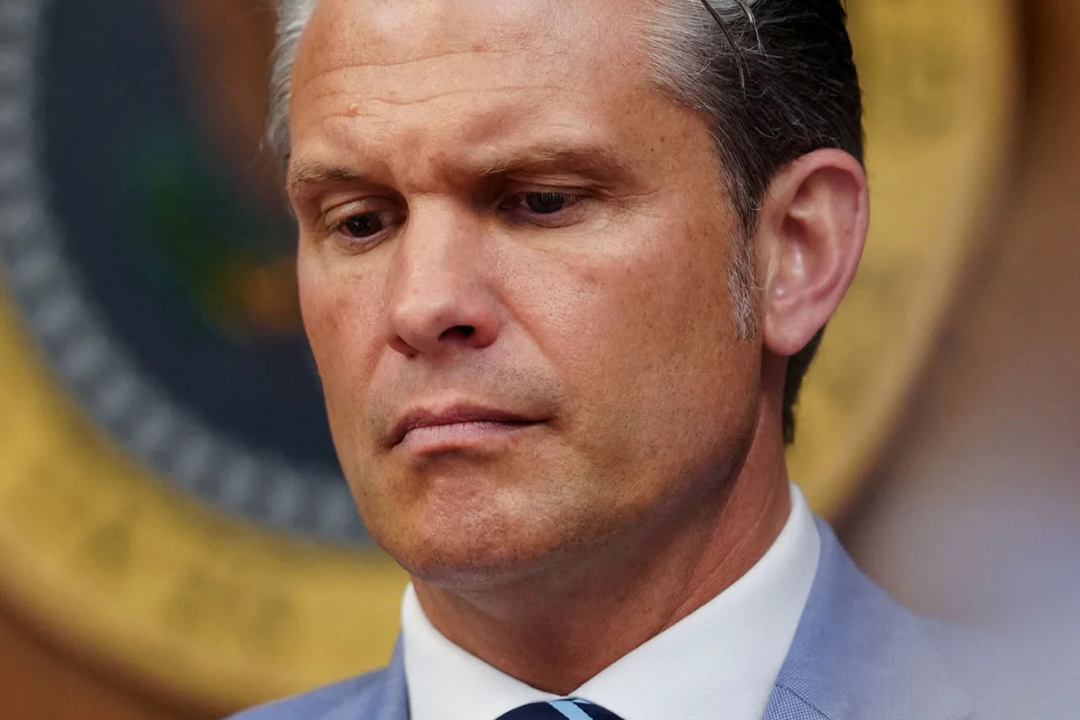
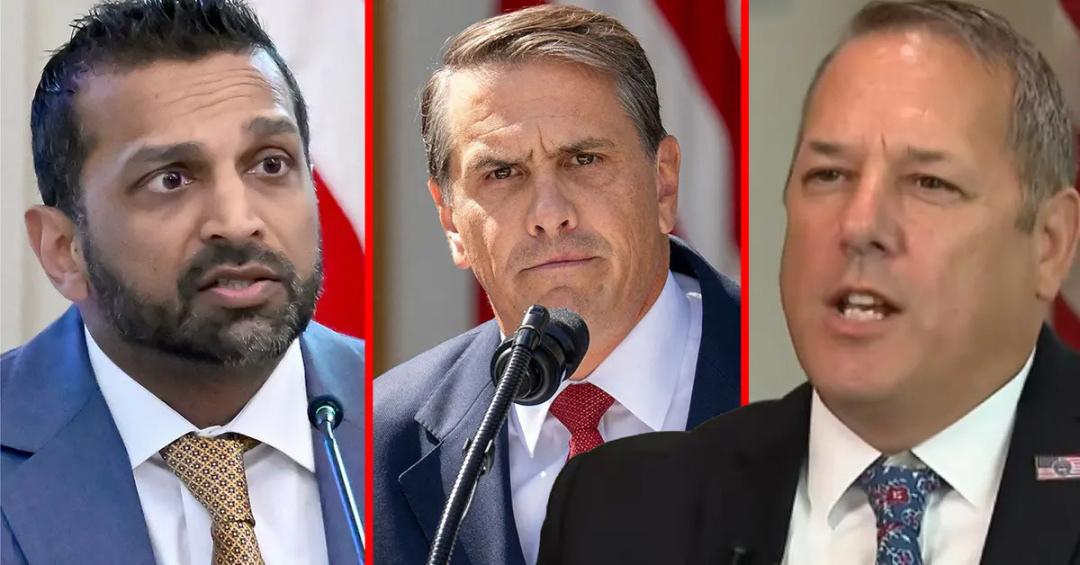
American generals have circulated an internal memo highlighting their serious concerns regarding the U.S. military's readiness to engage in potential conflicts with Iran. The memo, which has raised eyebrows not just within the Pentagon but also among political insiders, outlines a series of alarming deficiencies in troop levels and operational capabilities that could leave the nation vulnerable.
In an unprecedented move, the memo suggests that the military's preparedness is being compromised by external political pressures, which have made it increasingly difficult for commanders to focus on mission-critical objectives. The generals express worry that their strategic planning is being sidelined by the need to appease various political factions, which complicates their ability to deploy forces effectively.
Still Beats Watergate:
Sponsor success. Continue reading:
Further complicating matters, the memo details an absurd new initiative dubbed "Operation Over-Commitment." This program mandates that military leaders not only reassure the public of their readiness but also submit quarterly reports indicating that everything is perfectly fine, even when it's not. This initiative has raised questions about the practicality of managing military resources while also adhering to the whims of political theater.
Amidst this chaos, the generals' memo proposes an equally ridiculous solution: the establishment of a new Bureau of Preemptive Confidence, tasked with generating positive press releases about military readiness, regardless of the actual situation on the ground. This bureaucratic layer is expected to create a façade of strength that can be showcased in press briefings, thus allowing the administration to maintain a strong public image while the military grapples with real operational challenges.
Directive for Optimistic Military Messaging
As if to underscore the absurdity, the memo concludes with an official directive that all communications about Iran be framed within the context of "hyper-optimism," regardless of the operational realities. This move is seen as an effort to align military messaging with the administration's broader narrative, further entrenching the idea that political maneuvering takes precedence over genuine military assessments.
Applied to you
Critics are already voicing their concerns that this approach could lead to catastrophic miscalculations. One anonymous source from within the military expressed fear that the generals might soon find themselves maneuvering through a minefield of administrative jargon, where the stakes are high, but the clarity is strikingly absent. As the situation unfolds, it is evident that the generals are caught between fulfilling their duty and navigating the treacherous waters of political expectations.
The memo has sparked a flurry of speculation about how far political influence will intrude into military decision-making. As the generals navigate this complex landscape, the implications for national security become increasingly worrisome, leading many to wonder: what happens when the line between military readiness and political optics becomes indistinguishable?