El-Sayed Attempts to Mend Fences with Jewish Democrats While Holding Fast to Piker
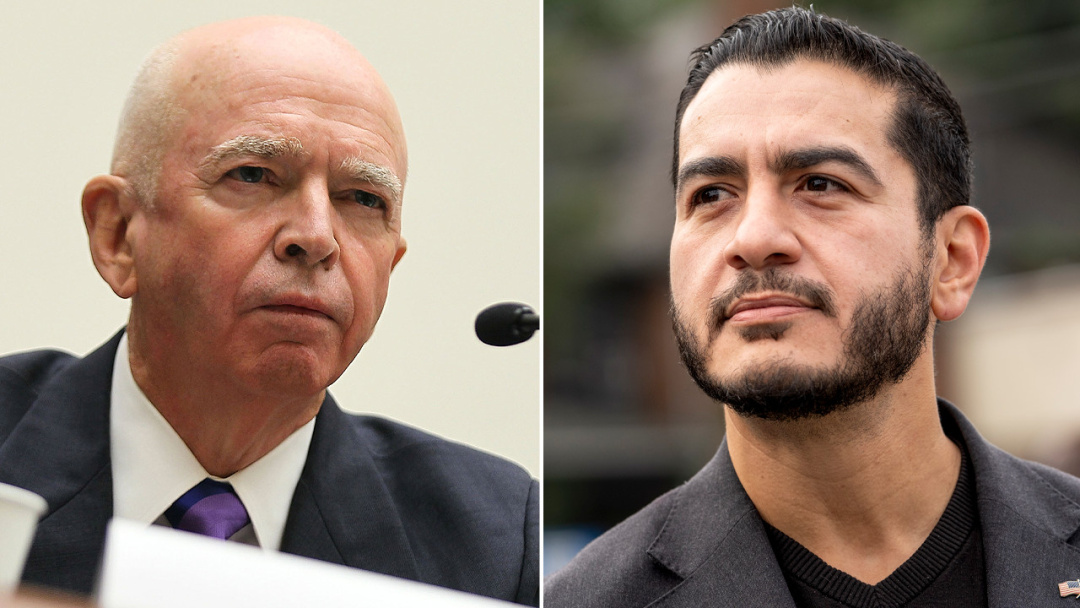
Abdul El-Sayed, the Democratic Senate nominee in Michigan, recently endeavored to smooth relations with Jewish Democrats, issuing apologies for comments made after a synagogue attack. His Republican opponent, Mike Rogers, swiftly dismissed El-Sayed's gestures as a "sham apology," further igniting the factional fires within the Michigan Democratic Party.
During a meeting with the Michigan Democrats' Jewish Caucus, El-Sayed expressed regret for any hurt caused by his remarks following a tragic attack on a Detroit-area synagogue. He stated, "To anybody who feels like my comments may have been hurtful, I’m really sorry," a sentiment that was immediately challenged by Rogers, who accused El-Sayed of fanning the flames of antisemitism with his past statements.
Still Beats Watergate:
Sponsor success. Continue reading:
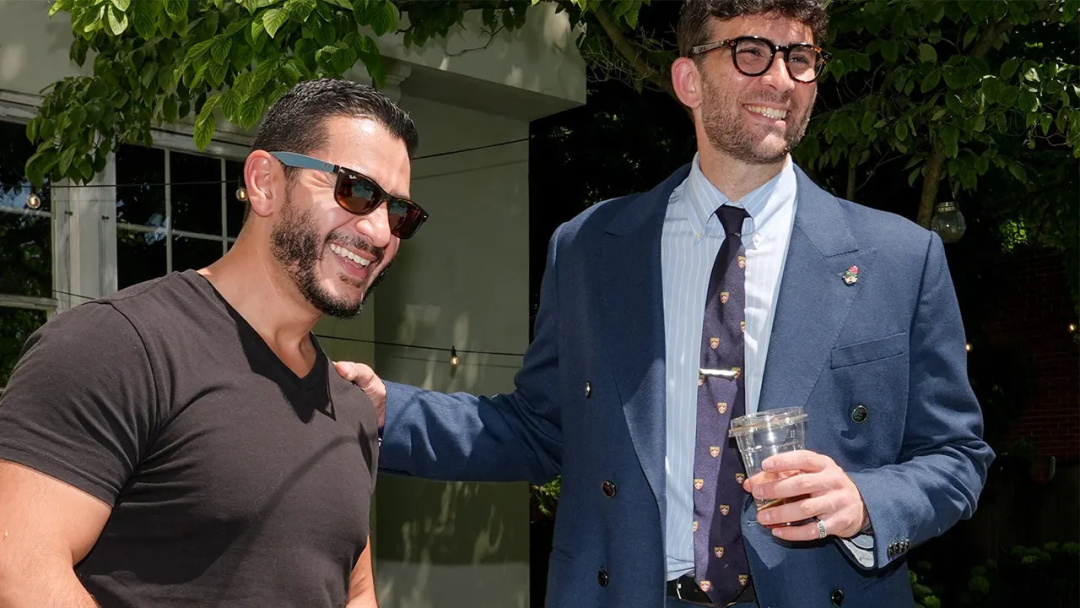
As tensions escalated, El-Sayed found himself in a peculiar position. While attempting to align himself with Jewish voters, he refused to reject the incendiary remarks of his ally, Hasan Piker, known for his controversial views on Israel. When pressed about Piker, El-Sayed insisted, "Nobody speaks for this campaign besides me," as if a simple proclamation could disentangle him from his associations within the radical fringes of the party.
The situation became more complicated as a letter from Jewish leaders surfaced, urging community members to rally behind Rogers instead. This backlash underscored the growing divide within the Democratic Party, as many felt alienated by El-Sayed's leftist alliances and rhetoric. In response, El-Sayed reiterated his commitment to both Palestinian self-determination and the safety of Jewish communities, attempting to navigate the politically treacherous waters of identity and ideology.
El-Sayed's Victory Sparks Party Tensions
As the campaign heated up, the backdrop of El-Sayed’s primary victory over more moderate contenders became a point of contention. His success was viewed not just as a personal achievement but as a potential harbinger of a more radical shift within the Democratic Party. Yet, this shift has brought forth a backlash, with figures like Rogers leveraging the discontent to bolster their campaigns.
Your takeaway
In a strategic pivot, El-Sayed framed the ongoing debate as a distraction from pressing issues facing Michigan voters, such as healthcare and economic stability, dismissing concerns about Piker as irrelevant to his campaign goals. Yet, as he continues to juggle the demands of various factions within his party, one wonders if El-Sayed can truly appease all sides without losing his footing on the political tightrope.
In the end, the Democrats’ ideological warfare continues to intensify, with El-Sayed caught in a whirlwind of expectations and criticisms. How he manages to reconcile these internal conflicts while maintaining electoral viability remains to be seen, but the stakes have never been higher for the future of the party across the Great Lakes region.