Trump's Inner Circle Contracts as Loyalty Becomes a Tightrope Act
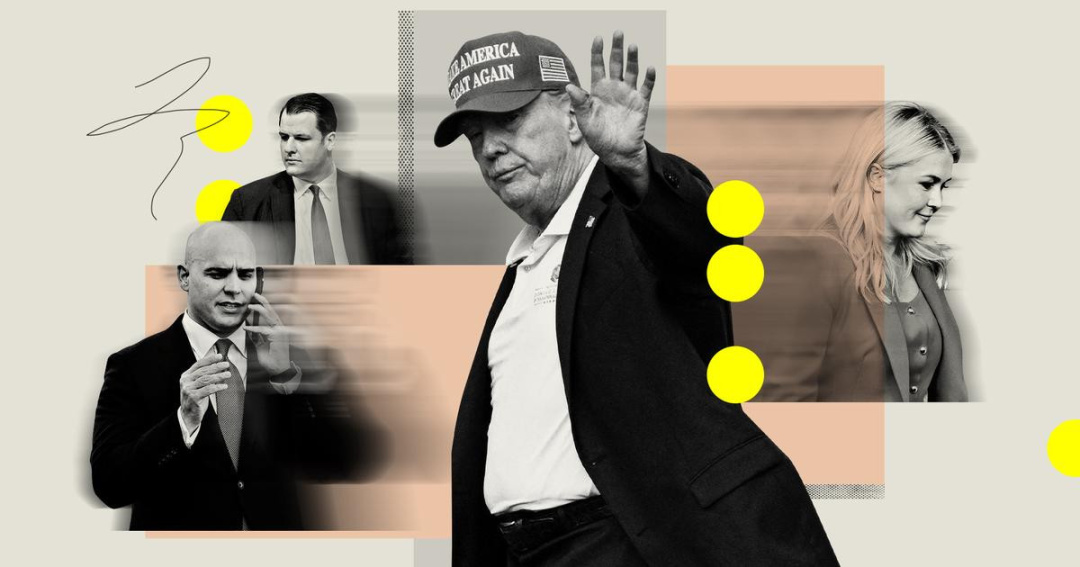
The White House has officially announced a new initiative: the "Keep It in the Family" program, designed to ensure that only those who have proven their loyalty through rigorous loyalty tests may remain in the inner circle. As aides continue to depart, the administration seems keen on consolidating power among a select few who have been deemed trustworthy enough to stay close to the president.
With the recent exits of White House press secretary Karoline Leavitt and deputy chief of staff James Blair, the administration is reportedly implementing a new set of guidelines to determine who qualifies as a "family member" in the political sense. Sources say that the loyalty tests will include a series of increasingly absurd challenges, such as memorizing every tweet the president has ever sent and reciting them in reverse chronological order. Those who fail to meet the criteria will be summarily dismissed, along with their dignity.
Still Beats Watergate:
Sponsor success. Continue reading:
As the president's approval rating plummets, some insiders are concerned that a dwindling inner circle might expose Trump to the outside influence of new ideas—an absolute nightmare scenario for an administration that thrives on loyalty above all else. The directive is clear: fewer voices in the room means less chance of dissent. One senior official noted that the fewer the advisers, the easier it is to keep everything "tight and in the family," which seems to be code for "we don't want to hear any new suggestions."
In a bid to further streamline decision-making, the White House is also rolling out a new protocol called "The Loyalty Ladder," which ranks aides based on their duration of service and degree of sycophancy. The longer an aide has been in the president's orbit, the higher they climb, although a new twist allows for expedited ascension through acts of public flattery. The administration believes this will ensure that only those truly committed to the cause are allowed to remain, thus providing a steady stream of uncritical affirmation.
Navigating Loyalty Amid Staff Departures
Amidst these changes, the exit of crucial advisers like James Braid, director of legislative affairs, and David Warrington, White House counsel, has raised eyebrows. The remaining staffers are reportedly feeling the pressure to perform and align themselves with the president's increasingly unpredictable directives. As one official put it, "You either adapt to the ever-shifting whims of the king, or you're out."
As the administration navigates a turbulent landscape filled with personnel dramas and external pressures, the mantra seems to be: the smaller the circle, the tighter the grip on power. So as the midterms loom ever closer, Trump's approach to governance may become less about policy and more about who can yell the loudest about loyalty. The White House now faces a singular challenge: can it sustain the illusion that everything is running smoothly when the only voices left in the room are those who have mastered the art of selective hearing?
Your takeaway
As the drama unfolds, Trump remains confident that his core team will steer the ship through the storm. However, some close to the situation have begun to wonder if the tightening of this familial bond might just lead to a shipwreck of epic proportions.
In the end, the White House's new approach to staffing might just prove that loyalty, while essential, can also be a double-edged sword, particularly when the sword is made of flimsy political promises and questionable judgment.