Russell Vought's CFPB Offers Customers a Gentle Nudge Instead of Protection
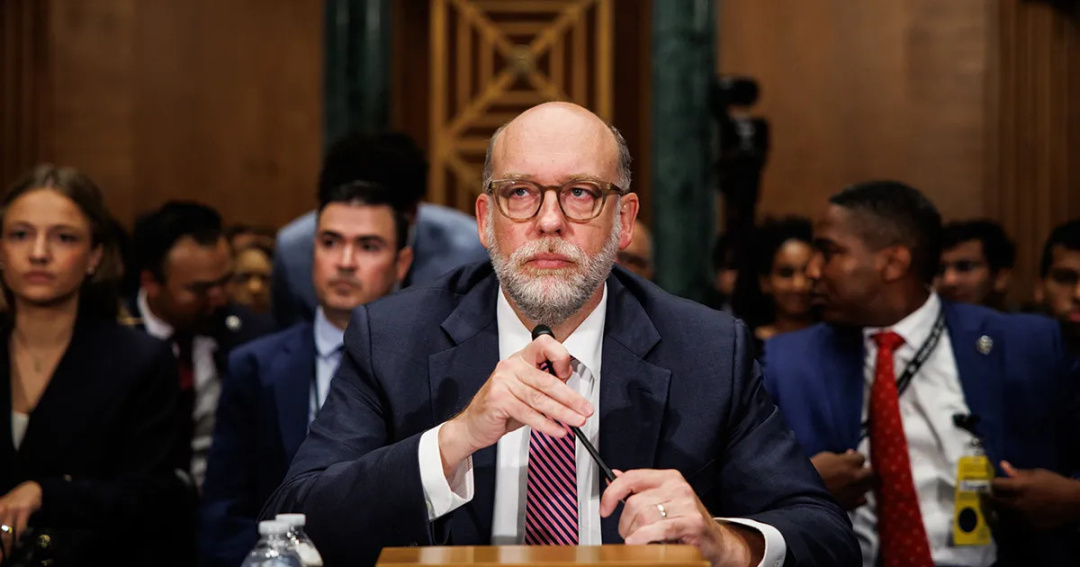
Russell Vought, acting head of the Consumer Financial Protection Bureau (CFPB), has unveiled an innovative strategy for consumer protection: a friendly request for companies to behave. During his recent testimony before Congress, Vought highlighted how the CFPB has transformed into a less aggressive watchdog, favoring a collaborative approach over the traditional enforcement methods that had been employed since the bureau's inception after the 2008 financial crisis.
In a striking departure from the CFPB's original mission, Vought proudly announced that the agency had reached out to a troubled fintech startup, Bilt, rather than initiating an investigation into its chaotic handling of consumer accounts. He emphasized the success of this new approach by citing how Bilt had assured the bureau that it was back on track after a troubling incident that left many customers confused and financially stressed. This, he declared, was the new hallmark of the CFPB: a gentle nudge toward compliance instead of the traditional regulatory hammer.
Still Beats Watergate:
Sponsor success. Continue reading:
However, just weeks after Vought's optimistic proclamation, Bilt managed to upset its customers once again. This second blunder involved erroneous debt collection notices that led to drops in credit scores for countless users. The CFPB, which Vought claimed would act as a guardian of consumer rights, seemed to be absent when Bilt's customers needed it most, sparking outrage and confusion among those affected.
The CFPB’s new strategy, described by insiders as a move toward a more industry-friendly posture, raises concerns about the agency's ability to fulfill its original mandate. Instead of conducting thorough investigations or audits, the CFPB's staff now appears to be relying on the assurances of the very companies they're supposed to oversee. The agency has reportedly taken a backseat, allowing firms like Bilt to self-report their issues and resolve them without any real accountability.
Irony in Diminished Oversight Capacity
In a particularly ironic twist, while Vought’s CFPB has taken a softer stance on enforcement, it has simultaneously diminished its own operational capacity. Reports indicate that the number of policy attorneys has plummeted, and the agency's oversight functions have been curtailed, leaving consumers with less protection than ever. This raises the troubling question of what will become of the CFPB when it is led by individuals who have long viewed it as an unnecessary entity.
Applied to you
The Bilt debacle serves as an early indicator of the potential pitfalls of this new approach to consumer protection. It seems that if the Trump administration can’t outright dismantle the CFPB, they will simply reshape it into an entity that prioritizes industry interests over consumer welfare. Following this trajectory, one might wonder what comes next: a friendly reminder for companies to play nice, or an official policy encouraging consumers to simply accept their losses gracefully?
As the CFPB continues to navigate this uncharted territory, the stakes for American consumers remain alarmingly high. With Vought at the helm, the agency’s future appears more uncertain than ever, teetering on the edge of irrelevance in a landscape that demands robust consumer protections. If the current trend persists, we may find ourselves in a world where the CFPB's primary function is to cheerlead for financial companies rather than safeguard the interests of the very consumers it was designed to protect.