US Sanctions Force ETS to Create New English Proficiency Test: The Sanctioned SAT
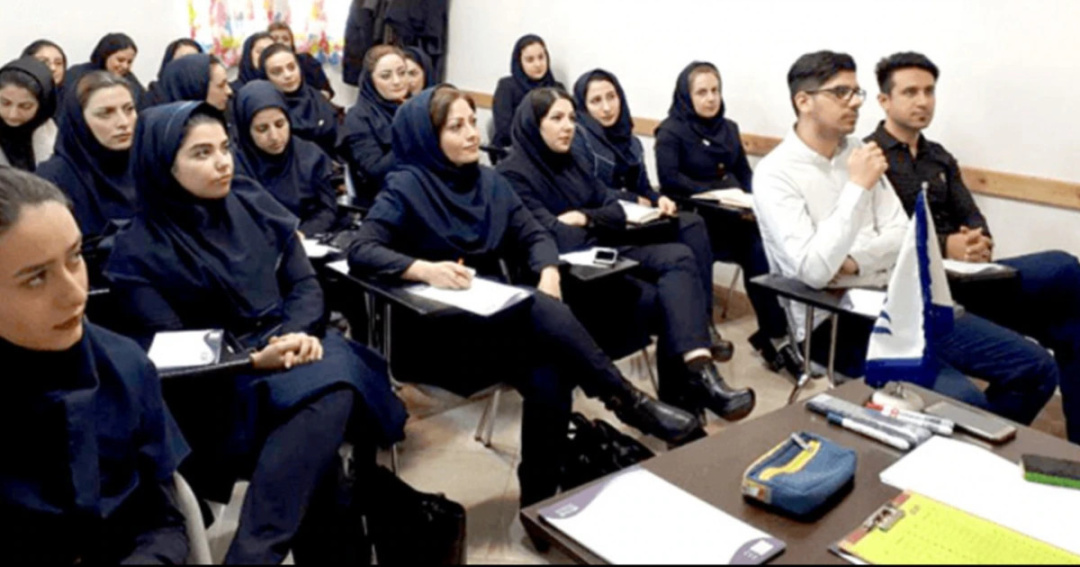
The Educational Testing Service (ETS) has declared its intention to introduce a new testing mechanism, dubbed the Sanctioned SAT, to accommodate Iranian students who find themselves in an educational limbo due to recent US sanctions. This bold move seeks to provide a solution for the thousands of students unable to access the TOEFL and GRE exams, which have been suspended in Iran. In a statement, an ETS spokesperson expressed confidence that the Sanctioned SAT would not only comply with US regulations but also redefine the very notion of educational opportunity within the confines of diplomatic tensions.
The Sanctioned SAT is set to feature a series of uniquely challenging questions designed to assess English proficiency without the typical academic rigor associated with standardized testing. Among the proposed components are sections that ask students to interpret vague diplomatic statements and assess the likelihood of receiving study permits under current sanctions. A government briefing suggested that this approach would allow the ETS to maintain operational integrity while simultaneously catering to a demographic that has been historically marginalized by international policy decisions.
Still Beats Watergate:
Sponsor success. Continue reading:
In an effort to further ensure compliance with US regulations, students will be required to submit a comprehensive application package, including proof of their need for educational testing, documentation of their sanctioned status, and a personal statement outlining their aspirations to study abroad. These applications will be reviewed by a newly formed Bureau of Educational Compliance, which will ensure that no student is given an unfair advantage—unless, of course, they happen to have connections to the right lobbying firms.
ETS's Digital Test Under Scrutiny
Moreover, the ETS has promised that the Sanctioned SAT will be a fully digital experience, allowing students to take the test remotely from their homes in Iran. However, in a twist that only adds to the absurdity, the online platform will be monitored by a new agency tasked with ensuring that no one misuses the opportunity to game the system. This agency will employ advanced algorithms designed to detect signs of optimism, which, ironically, are now deemed a potential threat to national security.
Affecting you
As the rollout of this new test approaches, critics have raised concerns about the implications of such a bureaucratic maneuver. Educational advocates argue that the Sanctioned SAT serves more as a symbolic gesture than a genuine attempt to aid students. They warn that it underscores the absurdity of trying to create educational pathways amid geopolitical strife, where the only guaranteed outcome is confusion. The ETS remains unfazed, asserting that the initiative stands as a testament to their commitment to educational access, albeit with a unique twist of irony.
In the coming months, the results of the Sanctioned SAT will be closely monitored, as the ETS anticipates a surge of applicants eager to prove their English proficiency. However, officials have already begun drafting plans for an alternative pathway, the Apathetic Assessment Test, should the Sanctioned SAT fail to attract the desired number of participants. As bureaucratic absurdity reaches new heights, one can only wonder what other initiatives will emerge from the shadows of sanctions, designed to ensure that educational aspirations remain just out of reach yet tantalizingly close to the ideal of accessibility.