DOJ Expands Tuition Lawsuit to Four More States
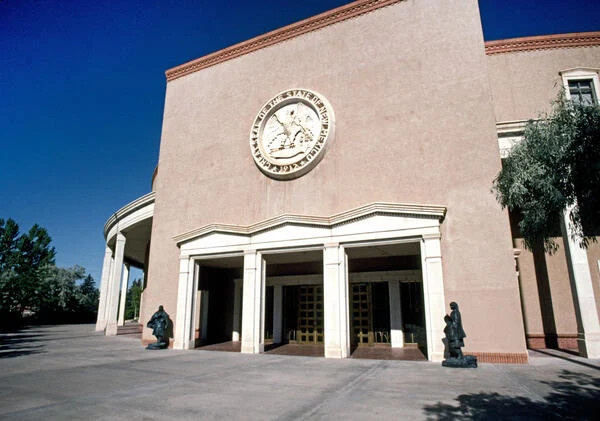
The Department of Justice announced an ambitious new initiative aimed at clarifying the nation’s educational funding policies by suing four more states for their audacious decision to allow undocumented students to pay in-state tuition. Arizona, New Mexico, Oregon, and Washington are now officially on the DOJ's radar, joining the illustrious ranks of the 17 other states already entangled in this bureaucratic ballet.
In a press conference that could only be described as a masterclass in administrative overreach, Attorney General Merrick Garland laid out the department's strategic vision. "We believe that education should be a privilege reserved for those who have navigated the murky waters of immigration law with the utmost skill and legal documentation," he declared, while standing firmly on an unsteady stage of contradictory legal interpretations.
Still Beats Watergate:
Sponsor success. Continue reading:
As part of this monumental effort, the DOJ has introduced a new metric for evaluating educational equity across the nation: The Undocumented Student Compliance Index (USCI). This groundbreaking index will measure how many undocumented students are enrolled in state universities, how many are paying in-state tuition, and how many are simply taking up valuable space that could otherwise be occupied by documented citizens. A top DOJ official commented that they are confident this will transform higher education into a more exclusive club, ensuring that only the most qualified candidates—those with the right paperwork—gain entry.
New Compliance Measures Spark Confusion
In a move that has left many scratching their heads, the DOJ has also proposed a new compliance certification process for states found to be in violation of federal anti-tuition policies. States will now be required to submit quarterly reports detailing their undocumented student populations, along with a detailed plan for rectifying any perceived infractions. Failure to comply could result in the denial of federal education funding—because nothing says commitment to education like crippling state budgets and student loan debt.
Affecting you
As the lawsuits roll out, the DOJ has also hinted at a forthcoming series of educational workshops aimed at helping states understand the fine line between supporting education and promoting what they term 'illegal tuition practices.' The workshops, titled "Navigating the Labyrinth of Legality in Education Funding" and "How to Keep Your State's Tuition Rates Exclusively Documented," are expected to be a hit among state lawmakers eager to learn how to toe the line without crossing it.
In conclusion, the DOJ’s campaign against in-state tuition for undocumented students is not just a legal maneuver; it’s a bold statement about who gets to access education in America. As the bureaucratic gears grind on, one can only hope that the true cost of this initiative—educational access for all—does not get lost in the shuffle of legal jargon and compliance paperwork.