NIH Director Issues Clarifications While Critics Demand Transparency
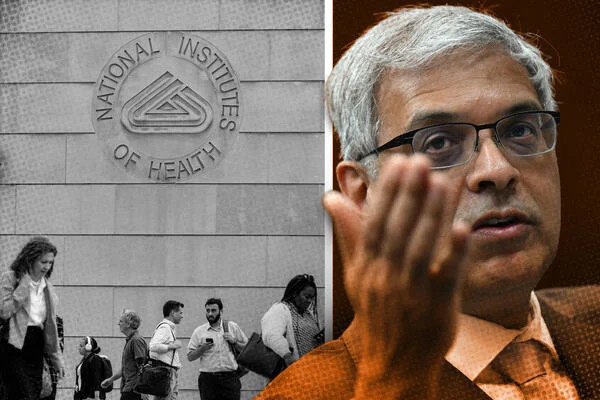
NIH Director Jay Bhattacharya has announced a revolutionary new initiative to enhance transparency within the National Institutes of Health, although critics are questioning the authenticity of his claims. In a statement that seemed more like a bureaucratic performance art piece than a legitimate policy rollout, Bhattacharya declared that he intends to 'restore trust' in the agency he previously criticized for failing to uphold scientific integrity. This ambitious plan involves the establishment of a Transparency Task Force, which will be tasked with gathering input from various stakeholders, including some of those very critics who have raised alarms about his leadership.
To ensure thoroughness, the task force will be composed of an impressive number of committees, each with its own subcommittees and working groups, all designed to evaluate the existing trust levels among NIH employees. However, insiders report that the process could take years, as each committee will first need to submit a proposal for a proposal on how to address trust, followed by a mandatory review period that requires unanimous consent from all twenty-three levels of bureaucracy.
Still Beats Watergate:
Sponsor success. Continue reading:
In an effort to bolster morale, the agency will also implement a new metric known as the Trustworthiness Quotient, or TQ. This innovative scoring system will rank NIH employees on a scale from one to ten based on their perceived trustworthiness, as determined by an algorithm that combines social media sentiment, email responsiveness, and the number of times they attended the last agency lunch. Critics have already pointed out the absurdity of measuring trust through such a convoluted system, suggesting that it only adds to the distrust that Bhattacharya is trying to resolve.
NIH's New Campaign for Public Confidence
Meanwhile, the NIH is preparing to launch a new public relations campaign, dubbed "Operation Trustfall," which aims to showcase the agency's commitment to transparency through a series of press releases filled with vague assurances and feel-good quotes from leadership. The campaign will also feature a series of seminars titled "Trust Us, We Promise," where employees can learn how to communicate sincerity without actually saying anything substantive.
Your takeaway
As Bhattacharya continues to navigate the rocky waters of public perception, he remains confident in his strategy, even as critics label his efforts as little more than a smokescreen. When asked about the recent backlash, Bhattacharya expressed his commitment to transparency by stating, "We are dedicated to listening to our critics, as long as they understand that we have our own definitions of truth and integrity. The key is to keep the dialogue open, even if our definitions may differ."
While the NIH spins its wheels in what seems to be an endless cycle of assessments and proposals, the public watches with a mix of skepticism and disbelief. The question remains whether this new focus on transparency will lead to any genuine change or simply provide a convenient distraction from the ongoing concerns about the agency's leadership and direction.