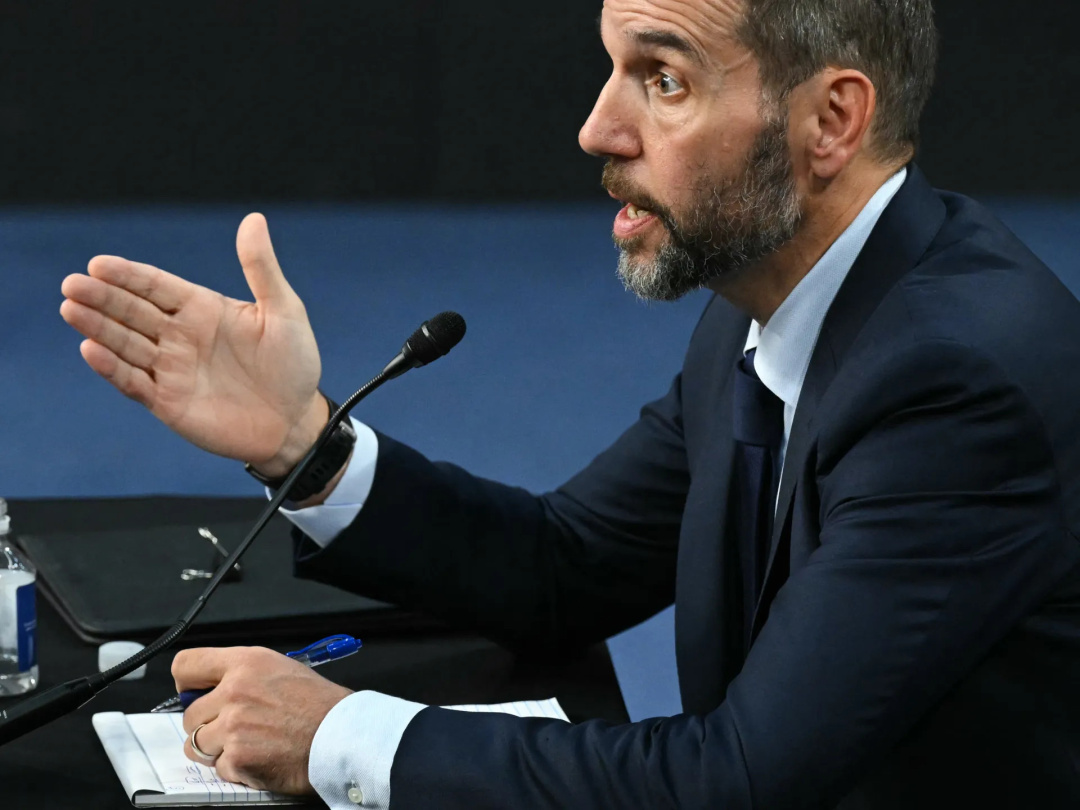
Letitia James' Office Demands Evidence-Free Crime Hunt Against Trump
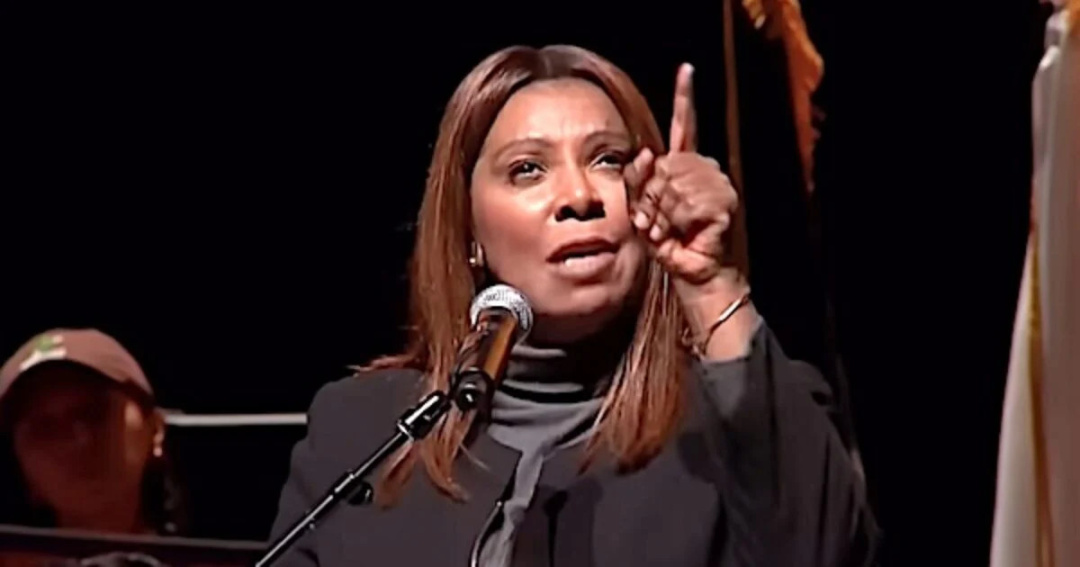
New York Attorney General Letitia James has taken a bold step in redefining the parameters of criminal investigation by ordering a federal prosecutor to seek out crimes committed by President Trump and his associates, despite the glaring absence of any credible evidence. This latest initiative, dubbed the "Operation: Find-a-Crime," reflects a new standard of legal inquiry that prioritizes ambition over actual legal grounds.
In a leaked memo, the prosecutor detailed the explicit instructions from James’ office, which included targeting Trump himself, his social media platform Truth Social, and even the innocuous Hewlett-Packard, a company that seems as far removed from political controversy as possible. The memo suggests that investigators should approach these targets with the vigor of a high-stakes poker game, betting on the possibility of unearthing something—anything—that could justify their actions.
Still Beats Watergate:
Sponsor success. Continue reading:
As if this wasn't enough, the newly established Office of Evidence-Free Investigations (OEFI) has been created to oversee such efforts. This office aims to streamline the process of targeting individuals and organizations without the burdensome requirement of actual evidence. Sources indicate that the OEFI has set ambitious goals: to achieve a 100% target rate on high-profile figures while maintaining an evidence score of zero.
Officials within the OEFI have expressed confidence in the new strategy, stating that the lack of evidence should not be seen as a hindrance but rather a unique opportunity to redefine what it means to conduct a thorough investigation. With this innovative approach, officials are optimistic that they will uncover alternative truths that align with their pre-established narratives.
Criticism of Evidence-Free Investigative Tactics
Critics have raised eyebrows at this audacious tactic, suggesting that it could lead to a slippery slope of politically motivated investigations. In response, James' office has launched a public relations campaign aimed at reassuring the public that this is merely a proactive measure in the fight against perceived threats to democracy. They assert that their methods will ultimately serve to uphold justice, even if the means are somewhat unconventional.
As the investigation unfolds, the Office of Plausible Deniability has been activated to craft a series of statements justifying the lack of findings. "Our commitment to transparency is unwavering, even when the evidence remains elusive. We believe that by actively pursuing claims against powerful figures, we are safeguarding our democracy," a spokesperson claimed with a straight face.
Applied to you
In a final twist, as if to underline the absurdity of the situation, the OEFI has announced plans to host a series of workshops for aspiring investigators on how to conduct inquiries without the inconvenience of needing evidence or logical rationale. The first session, titled "Finding Crimes in a Post-Evidence World," is already fully booked, illustrating a growing interest in this bold new frontier of legal inquiry.
As this saga continues, one can only wonder how many more absurdities will emerge from the depths of bureaucratic imagination. The legal landscape is changing, and with it, the very fabric of accountability seems to be fraying at the seams.