Trump Administration Declares Financial Warfare Against Iran with New Sanctions
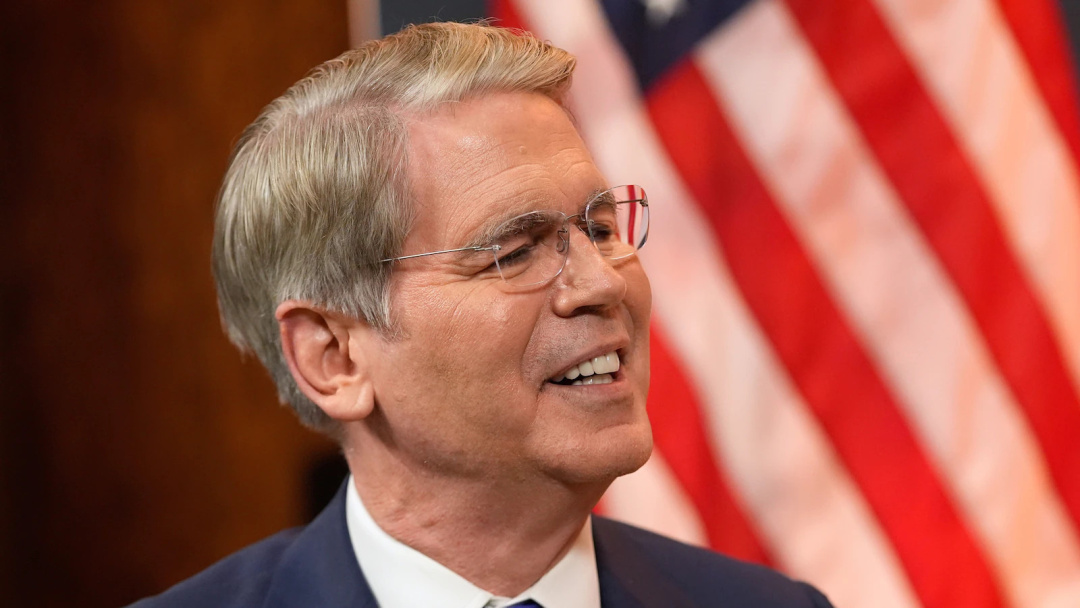
The Trump administration has raised the stakes in its ongoing economic struggle against Iran, announcing plans to impose sanctions on yet another bank in a bid to tighten the noose around Tehran's financial operations. Treasury Secretary Scott Bessent, in a display of fervent seriousness, proclaimed, "This is going to be financial violence if we have to," confidently assuring the world that the administration knows exactly who the culprits are and that their time is running out.
As Bessent prepares to meet with his counterparts from various global economies at the G20 meetings in Asheville, North Carolina, he aims to rally support for the administration's latest financial crusade. His tone suggests an unwavering commitment to what he dubs the "economic D-Day," a strategic pivot from military engagement to economic isolation, promising to unleash a torrent of financial penalties against Iran.
Still Beats Watergate:
Sponsor success. Continue reading:
In a move that could only be described as bureaucratic bravado, the Treasury's first act in this multifaceted campaign was a proposed rule that, if finalized, would cut off the Emirati branches of Banque Misr from accessing the U.S. financial system. However, in a perplexing twist of logic, the administration has stopped short of sanctioning major trading partners like China and India, which have been pivotal in maintaining Iran's economic lifeline. This has prompted speculation about whether the U.S. is truly committed to its own narrative of financial warfare or merely engaging in symbolic gestures.
Negotiations and Deflections at the G20
Bessent's negotiations with Chinese officials at the G20 are poised to be particularly entertaining. He assures that "all options are on the table" regarding sanctions against China for continuing to buy Iranian oil. Meanwhile, he vehemently denies any reluctance to confront Beijing, dismissing such claims as a "completely false narrative that the media picked up on"—a classic line from the playbook of deflection.
Your takeaway
As tensions between the U.S. and Iran escalate, with recent military strikes breaking a month-long lull, the Trump administration finds itself in a precarious balancing act. While it seeks to project strength through economic sanctions, the simultaneous military actions complicate its narrative of an exclusively economic approach. The contradictions abound, suggesting that the administration's strategy may be more about optics than coherent policy.
In conclusion, as the administration prepares to unveil its latest sanctions, one thing is clear: the financial battlefield is set, and with it, the potential for unprecedented absurdity in diplomatic engagements. Should the sanctions fail to achieve the desired outcomes, there remains the ever-looming possibility of escalating this financial warfare into a full-blown bureaucratic catastrophe that no one saw coming but everyone will certainly have to endure.