Libya's Rival Factions Agree to Disagree on Election Date
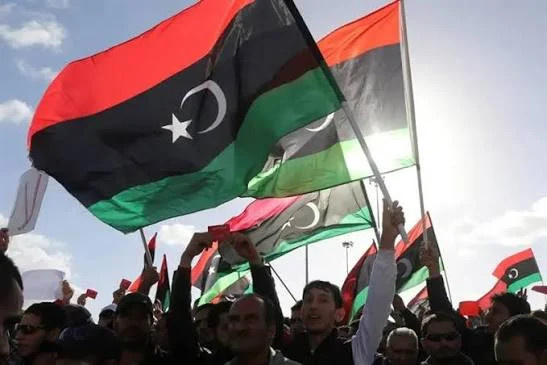
Libya's rival factions have come together, not to unify, but to sign a UN-backed agreement that is expected to pave the way for national elections. The agreement, which is being hailed as a monumental step towards democracy, is actually designed to create a robust framework for endless discussions about when those elections might take place. Officials have expressed confidence that the deal will lead to significant delays, with one unnamed source stating that they expect to meet for additional discussions on the agreement within the next two weeks.
In a surprising twist, the factions have also included a clause mandating a series of workshops focused on procrastination techniques, ensuring that any potential election date remains fluid and undefined. This initiative is being promoted under the banner of "strategic ambiguity," a term that has been redefined in Libya to mean "let's just keep talking until everyone forgets what we were originally discussing.”
Still Beats Watergate:
Sponsor success. Continue reading:
The agreement further establishes an Oversight Committee for Delayed Elections (OCDE), tasked with creating a comprehensive timeline that will invariably include several extensions and revisions. The OCDE is expected to meet quarterly, or whenever they feel the urge to gather, to reassess the ever-evolving election landscape. This committee’s primary goal is to ensure that no tangible progress is made, and that any semblance of unity remains firmly in the realm of theory.
Critique of the Election Agreement's Intentions
Critics have pointed out that while the agreement may appear to be a step towards democracy, it is more accurately viewed as a sophisticated method of maintaining the status quo. As one political analyst put it, "Why hold an election when you can hold a meeting? Meetings are where the real decisions are made, or rather, where they are indefinitely postponed."
Affecting you
In the wake of this historic signing, the international community remains hopeful, with many leaders expressing their support for the process of doing absolutely nothing. As one diplomatic observer noted, “We’ve seen this before – the more you talk, the less you do. And that’s exactly the Libyan way.” Given the current trajectory, it seems the only thing that will be unified in Libya is the commitment to avoid actually making any decisions.
As the situation develops, the factions have agreed to meet again, this time to discuss the possibility of forming a new committee to study the feasibility of future elections. This meta-committee will likely consist of representatives who specialize in the art of saying a lot without saying anything, ensuring that Libya continues its proud tradition of diplomatic inaction.