Hegseth's Military Brass Recommend New Strategy: Just Stop Trying
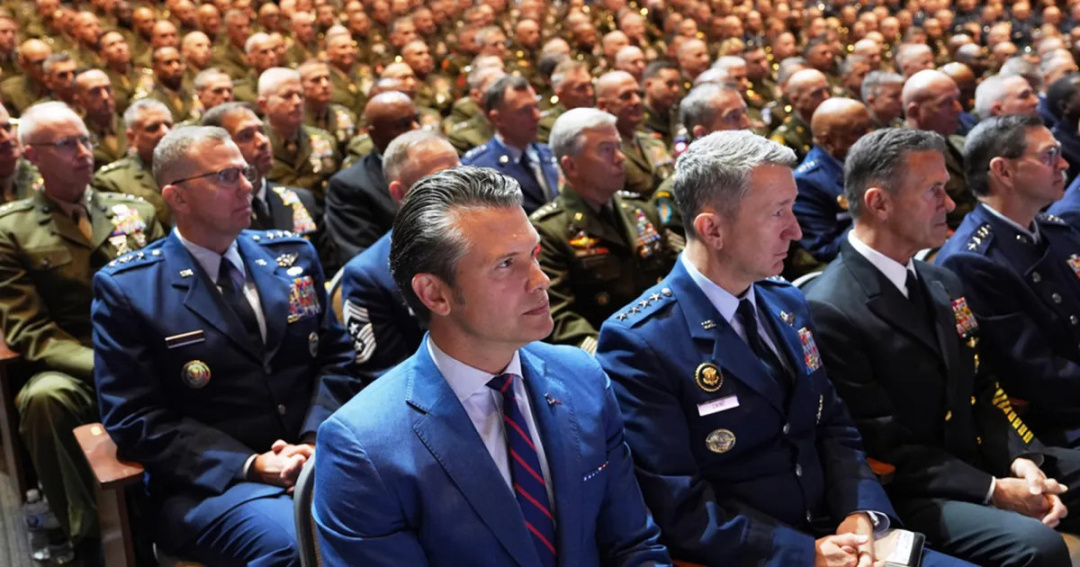
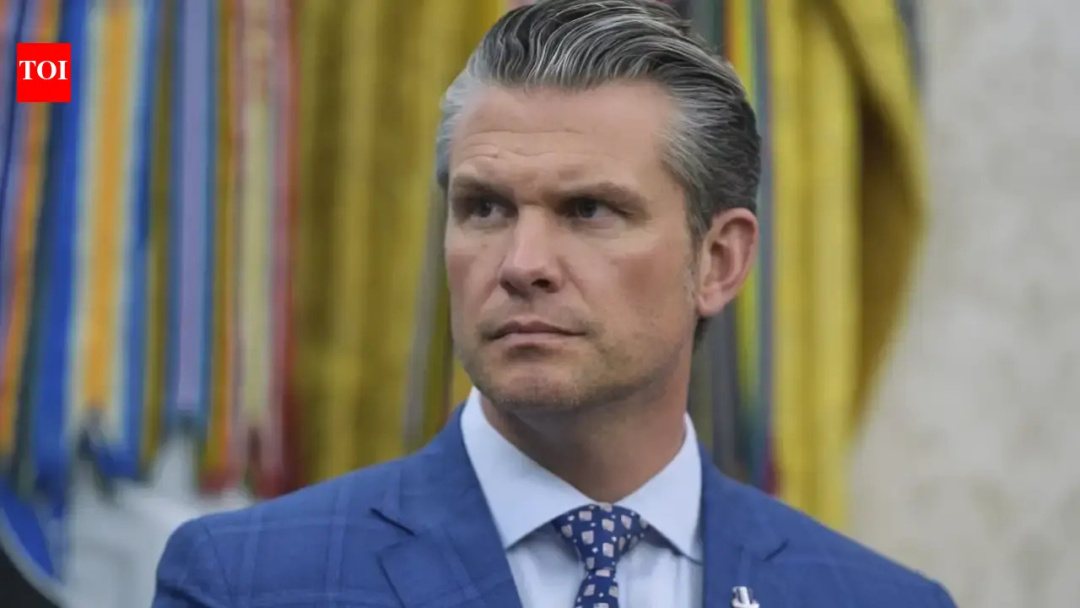
Defense Secretary Pete Hegseth is reportedly finding himself in a bit of a pickle with his military advisors, who have now privately suggested that his war in Iran is, shall we say, less than sustainable. According to a classified assessment that somehow leaked to the Washington Post, the Pentagon’s top brass, including the heads of the Army, Navy, and Air Force, have raised the alarm about the impact of the prolonged conflict on America's overall defense readiness.
The report indicates that President Trump’s insistence on keeping all military options open, including a potential escalation of hostilities against Iran, has effectively turned U.S. Central Command into a high-alert babysitting service for over 50,000 troops. These forces, it seems, are poised to spring into action at a moment's notice, all while their training and operational capabilities elsewhere are left to languish in the dustbin of bureaucratic neglect.
Still Beats Watergate:
Sponsor success. Continue reading:
In a particularly grim revelation, the Chief of Naval Operations highlighted that only a quarter of the Navy's destroyer fleet is actually ready to deploy—an alarming statistic that has apparently not fazed anyone in the upper echelons of military command. Instead, the Navy is stuck in an endless loop of extended deployments, with sailors wondering if they’ll ever get the chance to come home or if they should just start shopping for real estate in the Persian Gulf.
Pentagon's Silence Sparks Public Doubts
Meanwhile, the Pentagon has opted for a classic 'no comment' on the leaked assessment, which leaves the public to speculate about just how much faith they should place in the administration’s military strategies. After all, Trump famously declared the war “very complete, pretty much” just ten days into the conflict, and here we are months later, with no resolution in sight, a staggering $37.5 billion price tag, and a sanctions campaign that feels more like a desperate plea for peace than a serious diplomatic initiative.
Your takeaway
As the administration juggles its options, the irony of the situation is rich. While the President pushes for negotiations with Tehran, the military finds itself in a precarious position, holding the bag on a conflict that seems to have no end. The escalating rhetoric and constant readiness for combat are starting to feel less like a strategic advantage and more like a bureaucratic circus.
In the end, as Hegseth looks to his military advisors for answers, one can only hope they don’t suggest a new initiative called Operation Let It Go, where the strategy is simply to declare victory and return to their regular programming of training and readiness. After all, it’s tough to keep the peace when you’re too busy preparing for war.