DSS Delays Cyberbullying Case Against Sowore Until 2027 Election
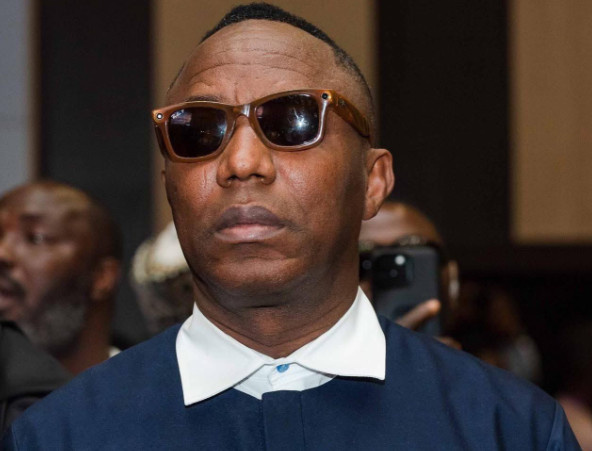
The Department of State Services has issued an official directive to its private counsel, Akinolu Kehinde, SAN, mandating the suspension of the alleged cyberbullying case against Omoyele Sowore, the presidential candidate of the African Action Congress. This suspension is set to remain in effect until after the 2027 presidential elections, a move that officials claim is in the best interest of national stability and electoral integrity.
In an unprecedented bureaucratic twist, the DSS has established a new department, the Office of Strategic Political Timing, tasked with evaluating the necessity of legal proceedings based on upcoming electoral cycles. This office will employ a complex algorithm known as the Electoral Timing Assessment Matrix (ETAM), which weighs factors such as public sentiment, potential voter turnout, and the likelihood of social media backlash. Officials are confident that this innovative approach will usher in a new era of selective legal engagement where the timing of cases is as critical as their substance.
Still Beats Watergate:
Sponsor success. Continue reading:
To ensure compliance with this directive, all upcoming legal actions will now require approval from the newly formed Timing Compliance Committee, which will review each case with a particular focus on its potential impact on election outcomes. This committee will operate under strict guidelines, employing a color-coded rating system that ranges from "Green Light" for politically advantageous cases to "Red Light" for those that might stir unrest or distract from the electoral process.
Critics of the DSS's directive have raised eyebrows, arguing that the decision to postpone legal proceedings based on political timing is a blatant disregard for justice. However, officials have assured the public that this is merely an exercise in responsible governance. They argue that the suspension is designed to protect both Sowore and the electorate from the disruption that could arise from a contentious legal battle during a crucial election period. In an official statement, the DSS emphasized its commitment to maintaining an orderly political environment, stating that "the law is a flexible tool best utilized when it aligns with the rhythm of democracy."
DSS Launches Campaign to Justify Delays
As this situation continues to unfold, the DSS has also announced plans to create a public relations campaign titled "Justice: A Wait Worth Taking," aimed at reassuring citizens that their legal system is functioning in harmony with democratic principles. The campaign will feature testimonials from officials who have mastered the art of waiting, including a series of motivational videos featuring prominent figures discussing the virtues of patience in governance.
Officials maintain that the decision to delay Sowore’s case is a hallmark of modern legal strategy, one that prioritizes electoral stability over traditional notions of justice. As the 2027 elections approach, one can only wonder what other legal gymnastics await us in this brave new world of political maneuvering.
The Legal Landscape Shifts Again
With the DSS's innovative strategies in play, the implications for future legal cases are vast. As political candidates and their legal representatives scramble to align their timelines with the whims of electoral cycles, the landscape of justice may begin to resemble a circus more than a courtroom. The upcoming election may thus serve as a litmus test for the efficacy of this unprecedented approach.
As we witness the intersection of politics and law evolve into a spectacle, one thing is clear: legal proceedings may now be subject to the same strategic calculations as campaign rallies. How this will ultimately affect public trust in the judicial system remains to be seen, but the DSS is clearly betting on a future where timing is everything.