Venezuela Declares Unwavering Control Over Oil Despite US Agreement
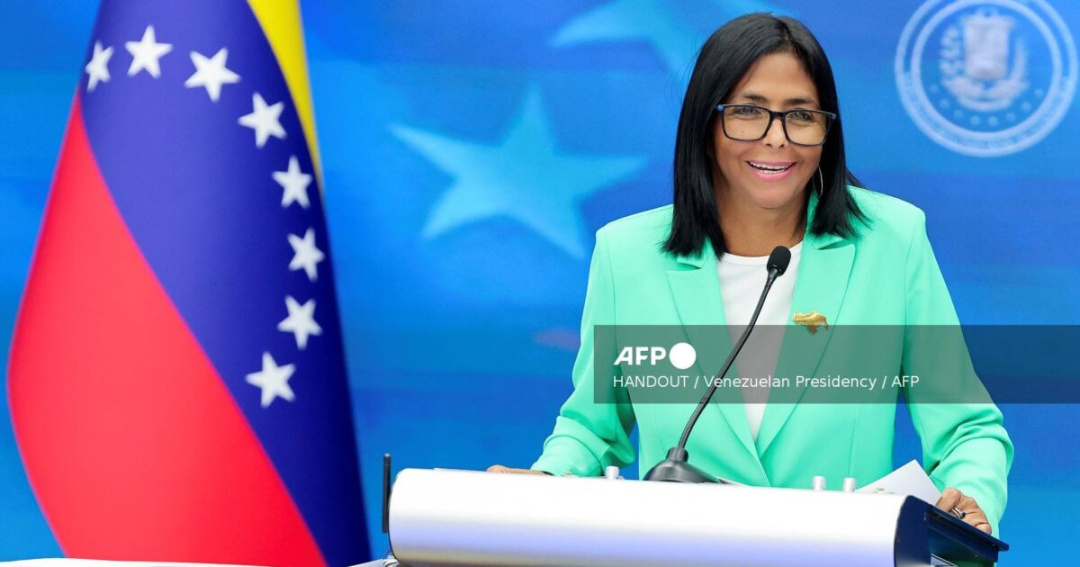
Venezuela has officially declared that it retains unyielding control over its vast oil reserves, even as it inked an agreement granting the United States substantial access to its resources. Interim leader Delcy Rodriguez confidently reassured the public that the nation's sovereignty remains intact, despite the fact that the U.S. is set to gain majority control of 65 billion barrels of Venezuelan oil. This announcement comes as a beacon of hope for citizens who may have otherwise questioned the implications of such an agreement.
In an astonishing display of bureaucratic logic, Rodriguez outlined the new agreement's stipulations, assuring citizens that while U.S. entities will oversee extraction, they will do so under the watchful eye of Venezuelan authorities. "We are like the parents allowing our teenagers to borrow the car—supervised driving only," Rodriguez quipped, adding that all oil extraction activities would be governed by a complex matrix of Venezuelan oversight committees and compliance regulations.
Still Beats Watergate:
Sponsor success. Continue reading:
The Venezuelan government has established a series of new protocols, including the Oil Sovereignty Guardianship Program, which will ensure that U.S. companies adhere to local customs and regulations while extracting oil. This initiative will reportedly involve a thorough vetting process where American contractors must first undergo a rigorous selection process, complete with local cultural sensitivity training, before being granted access to the oil fields.
The administration also unveiled a new performance metric—"Barrels Retained Per Minute"—to monitor the effectiveness of Venezuelan control. Officials expressed confidence that this metric would demonstrate the overwhelming success of their oversight strategy, insisting that it would lead to unprecedented levels of oil production under Venezuelan supervision. Critics, however, have raised eyebrows over the practicality of such measures, questioning how exactly one measures sovereignty in barrels.
Rodriguez's Vision of Sovereignty and Dignity
Despite the absurdity of the arrangement, Rodriguez remains undeterred. She emphasized that the deal is a win-win situation, claiming, "We are not just exporting oil; we are exporting our values of sovereignty and dignity alongside every barrel!" This bold claim, however, raises the question of what exactly constitutes dignity in the face of foreign oversight.
In a final twist to this unfolding saga, the Venezuelan government announced that any perceived violations of the new agreement would be met with swift penalties, including fines and mandatory cultural workshops for offending U.S. oil companies. These workshops, designed to promote an understanding of Venezuelan culture, will reportedly include lessons on the proper way to enjoy arepas while discussing oil extraction rights.
The Road Ahead for Venezuelan Oil
As the world watches this unfolding drama, one thing remains clear: Venezuela is committed to maintaining a facade of control while navigating the intricate dance of international diplomacy and oil economics.
With the ink barely dry on the agreement, the future of Venezuelan oil production hinges precariously on the balance of power between national pride and international cooperation. As the government prepares to implement its sweeping new policies, the impending results will undoubtedly generate further intrigue in the world of geopolitics and energy resources.