Iceland's Knife-Edge Vote on EU Membership Sparks Bureaucratic Frenzy
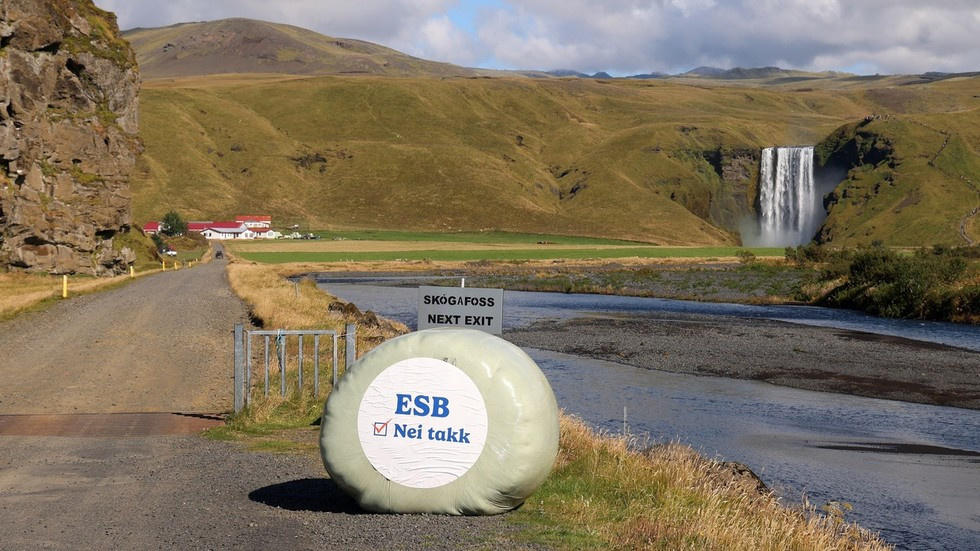
Icelanders have engaged in a nail-biting referendum, with citizens pouring into polling stations to decide whether to reignite EU accession talks. As the founding NATO member grapples with its identity, the results are poised to send shockwaves through bureaucratic channels in Reykjavik and Brussels alike.
Polling has revealed a staggering divide, with early figures showing the electorate split almost evenly between those who want to resume negotiations and those who wish to maintain the status quo. The impending chaos has prompted officials to prepare an elaborate series of flowcharts and contingency plans, all to interpret a legally advisory ballot that could lead to a second referendum should the “yes” camp prevail.
Still Beats Watergate:
Sponsor success. Continue reading:
Prime Minister Kristrun Frostadottir has assured the public that the government will respect the outcome, a promise that many interpret as an invitation to a bureaucratic circus. In anticipation of the vote, the Prime Minister’s office has unveiled a new initiative: a multi-tiered task force dubbed the “Committee for Potential EU Integration,” or COPEI, tasked with analyzing the ramifications of every conceivable outcome. This committee is expected to produce exhaustive reports detailing the pros and cons of potential EU membership along with a comprehensive list of snacks for all future meetings.
As the clock ticks down to the announcement of the results, the government prepares for a media blitz. Officials will be armed with an unprecedented arsenal of talking points to clarify that a “yes” vote does not guarantee membership, but rather opens the door to negotiations that could lead to another referendum — a process that could take years, should it ever commence. Officials are reportedly drafting a “Guide to Understanding Your Yes Vote” to be distributed immediately after the polls close, ensuring that the public is neither confused nor overly optimistic.
High Stakes in the Sovereignty Debate
The stakes are particularly high, as the debate over sovereignty and fishing rights looms large. Euroskeptics have voiced concerns that EU membership could jeopardize Iceland’s cherished fishing grounds, an essential industry that locals believe should remain untouched by Brussels’ infamous Common Fisheries Policy. Meanwhile, supporters argue that closer ties with the EU could stabilize the economy, allowing Iceland to escape the shadow of past financial crises.
Affecting you
In a bizarre twist, the geopolitical implications have also come into play, with Frostadottir's allies framing the EU as a necessary buffer against perceived threats from the U.S. In an ironic turn of events, the Prime Minister's office has issued a memo clarifying that while Iceland is a NATO member, it is not currently in danger of being annexed as the “52nd state” of the United States, despite comments from U.S. officials that have raised eyebrows in Reykjavik.
As the nation holds its breath, the result promises not only to redefine Iceland’s future relationship with the EU but to spark a bureaucratic frenzy that will ensure the government remains as confused as its citizens. Stay tuned for an avalanche of memos and compliance documents that will inevitably follow, ensuring that no matter the outcome, Iceland’s administrative machinery will be working overtime.