Federal Court Declares Speech-Based Deportations Unconstitutional
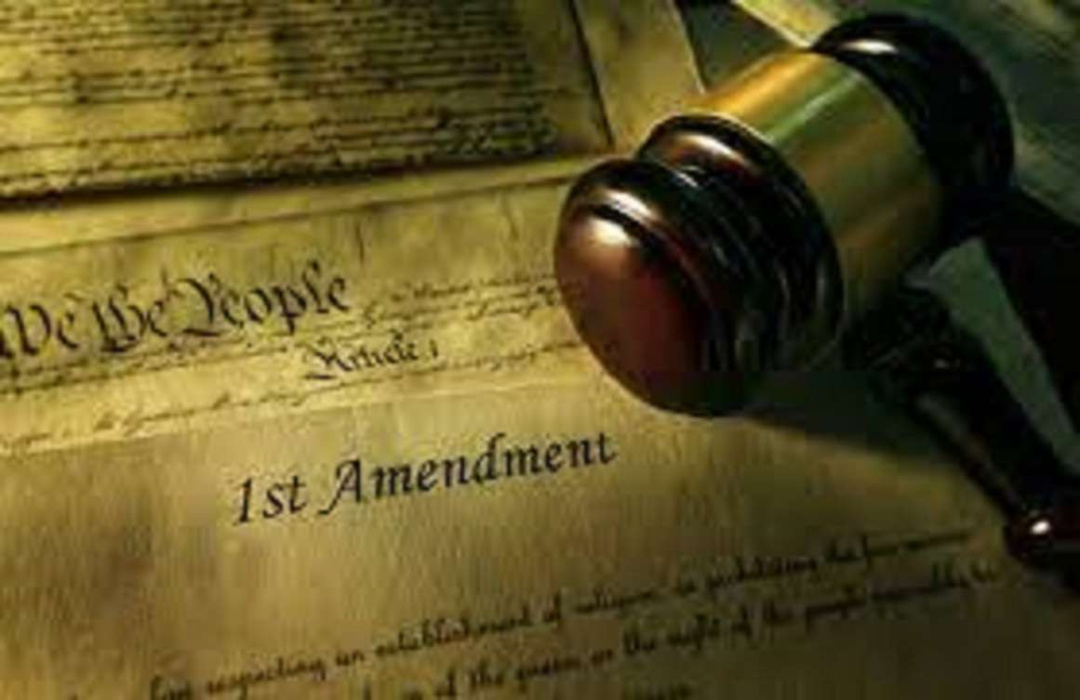
A federal district court has officially ruled that speech-based deportations of non-citizens violate the First Amendment, sending bureaucratic shockwaves through immigration enforcement agencies. The decision, issued by Judge Noel Wise in the case of Stanford Daily Publishing Corp. v. Rubio, has set a precedent that could upend decades of established practice, much to the delight of constitutional scholars and the chagrin of those who prefer their deportations without the burden of free speech considerations.
As a direct response to the ruling, the Department of Homeland Security announced a new initiative aimed at redefining compliance metrics for deportation procedures. Under the newly established guidelines, all deportation cases involving speech must now undergo a rigorous review process, which includes a panel of speech experts, constitutional lawyers, and an intern whose sole job is to ensure that no one says anything controversial during the proceedings.
Still Beats Watergate:
Sponsor success. Continue reading:
In an effort to comply with the ruling without actually changing their practices, officials are now required to classify deportation cases based on a new metric: the "Degree of Speech Offense". This classification will range from "Mildly Disagreeable" to "Absolutely Unacceptable", allowing the agency to maintain a facade of compliance while still moving forward with deportations based on speech deemed offensive. This newly coined term is expected to become a key performance indicator in the agency's annual reports, much to the delight of bureaucrats eager to display their commitment to free speech while simultaneously ignoring it.
Navigating Legal Loopholes Post-Ruling
The rollback of speech-based deportations has prompted an internal memo within the Department of Justice to address the growing concerns among officials about the implications of the ruling. The memo encourages staff to consider innovative ways to sidestep the decision, including the exploration of a new classification system that could reframe speech-related offenses as mere "opinions"—thus providing a legal loophole to continue deportations without the pesky interference of the First Amendment.
Your takeaway
In a final twist, the White House has announced a new task force dedicated to reviewing all current deportation cases based on speech. However, this task force will be led by the same officials responsible for the original deportation decisions, ensuring a consistent approach to upholding questionable practices while appearing to embrace constitutional rights. As the task force prepares to roll out its findings, many are left wondering whether this initiative will lead to substantive change or simply serve as yet another layer of bureaucratic obfuscation.
While constitutional experts celebrate this ruling as a victory for free speech, the real test will be whether immigration enforcement can adapt to this new legal landscape without losing its bureaucratic edge. With officials already beginning to draft contingency plans, it’s clear that the absurdity of government responses to legal rulings is set to escalate, leaving non-citizens caught in the crossfire of an increasingly convoluted system.