Trump's Cabinet Drama Unfolds as Hegseth Faces the Axe
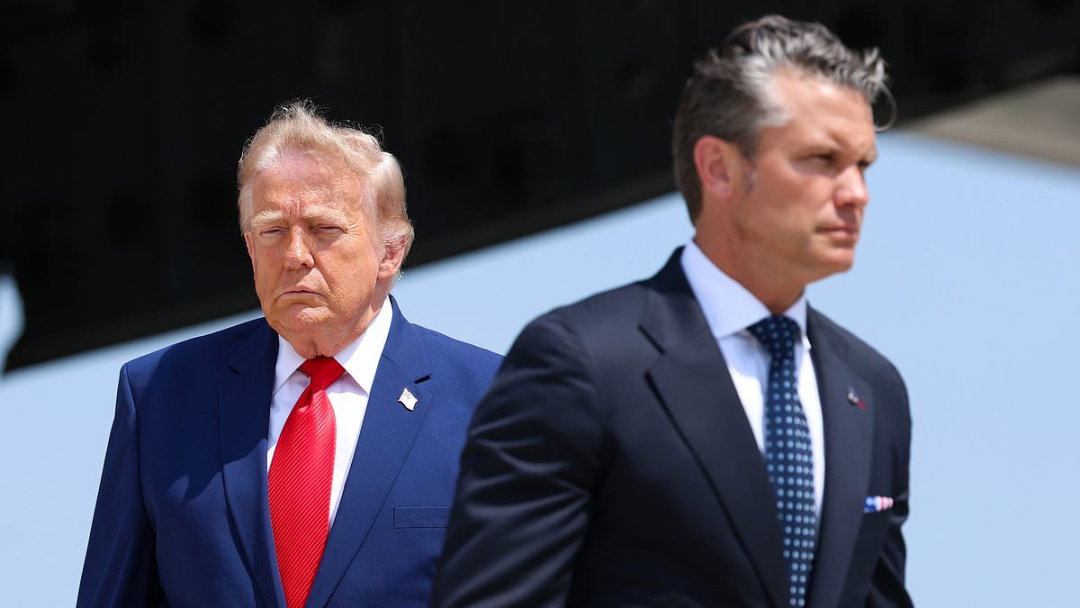
President Trump has announced a bold new strategy for his administration, aiming to streamline his cabinet’s performance by quietly sidelining Pete Hegseth in the wake of a tumultuous Camp David meeting. Insiders report that the president is now favoring a fresh face, Scott Bessent, whose approach to the ongoing war with Iran is decidedly less confrontational and more focused on public relations than military action. This shift comes as Trump desperately seeks an exit strategy from a conflict that has lasted nearly six months, leaving him faced with the daunting task of rebranding his administration's image.
In a memo circulated to all cabinet members, the newly appointed Bessent will be tasked with implementing the “Less is More” strategy, which aims to reduce the number of public statements on military engagements by 75 percent. Sources within the administration have revealed that the key performance metric for this initiative will be the number of positive headlines generated, with an additional bonus structure based on social media engagement metrics. The plan hopes to pivot from traditional military tactics to a more nuanced approach that emphasizes the importance of optics over effectiveness.
Still Beats Watergate:
Sponsor success. Continue reading:
The official line from the White House insists that Hegseth’s sidelining is merely a reflection of the need for a “more modern” approach in an era where public perception can sway the outcomes of military conflicts. “We believe in promoting individuals who can adapt to the times,” stated a senior administration official who requested anonymity due to the sensitive nature of the topic. “Bessent’s ability to create a favorable narrative is what we need right now.” Meanwhile, Hegseth’s supporters are reportedly preparing to launch a grassroots campaign to resurrect his standing, citing his extensive military experience despite the president’s preference for a more polished, media-savvy cabinet member.
The situation has led to speculation about the true motivations behind the cabinet reshuffle. Analysts suggest that Trump is not only concerned about the optics of the ongoing war but is also responding to internal pressures from key donors who are increasingly wary of the administration’s military strategies. This shift in cabinet dynamics reflects a growing recognition that in today’s political landscape, the ability to communicate effectively is often valued more highly than actual military strategy.
Navigating New Strategies Amid Rising Tensions
As tensions continue to rise and the administration grapples with public dissatisfaction, it remains to be seen how this new approach will play out. Will Bessent’s strategy succeed in pacifying critics and reshaping the narrative, or will it simply lead to a new set of problems?
The New Normal in Political Messaging
While the White House appears confident in its new direction, the realities of military engagement cannot be ignored. As Trump’s administration leans heavily on the power of perception, critics warn that the focus on image over substance could lead to disastrous consequences. The idea that one can simply communicate their way out of a conflict may not hold up under the scrutiny of reality, especially when lives are at stake. Hegseth, while sidelined, may still have a role to play in shaping the future of military policy, albeit from a distance.
As this drama unfolds, observers will be watching closely to see if the new cabinet golden boy can deliver the results Trump desires without further complicating an already volatile situation. In Washington, where perception is often reality, the administration seems to be betting that a slick image can mask the underlying complexities of governance. Only time will tell if this gamble will pay off, or if it will lead to a new round of embarrassing revelations for the White House.