Economists Launch Alphabet Soup to Define Economic Shapes
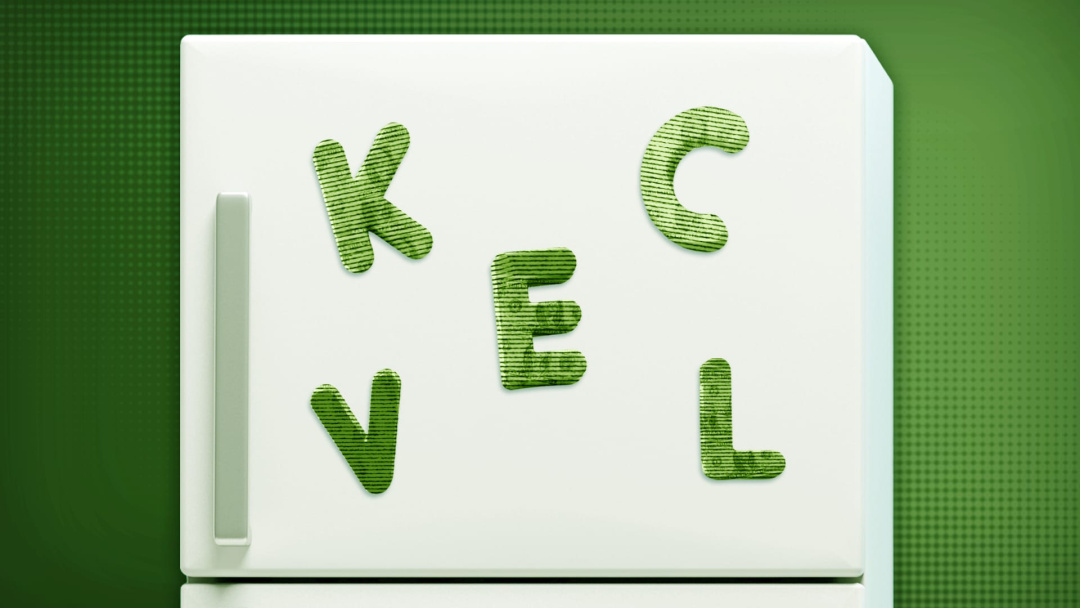
Economists have officially entered the realm of alphabet soup, with the latest reports indicating a heated debate over whether the economy is shaped like a K, C, or even an E. This has led to a frantic scramble among political campaigners trying to translate these shapes into catchy slogans that won’t confuse voters. In a bid to clarify their positions, officials are now forming committees to decide which letter best represents the economic recovery, employing a series of focus groups made up of anyone who can spell.
The K-shaped recovery, once a popular term, is now facing stiff competition from the newly minted C and E shapes. The K shape suggests that while some sectors are thriving, others are floundering, creating a stark divide. Meanwhile, the C-shape enthusiasts argue that the economy is curving back toward progress, while the E shape proponents claim it's simply an exercise in optimism. With each letter representing a different economic narrative, campaign teams are now frantically trying to align their messaging with whatever shape is trending at the moment.
Still Beats Watergate:
Sponsor success. Continue reading:
In an unprecedented move, the Department of Economic Shapes has been tasked with evaluating the public's preference through a series of polls, leading to a new metric: the Alphabet Approval Rating. This will gauge which letter resonates most with voters and which can be used to justify policy decisions in upcoming debates. The hope is that by adopting an official letter, candidates can avoid the pitfalls of data-driven discussions and instead lean into the more visually appealing world of shapes.
White House Embraces Educational Confusion
As the debate rages on, the White House has released a statement assuring the public that all economic shapes will be considered, while simultaneously reminding everyone that the administration prefers to operate in a state of confusion. Officials are expected to launch a new initiative aimed at promoting educational resources about economic shapes, complete with colorful infographics and interpretative dance videos, to ensure that every citizen can understand how these letters impact their lives.
Your takeaway
Looking ahead, political analysts predict a potential backlash from voters tired of abstract economic discussions. With many Americans still grappling with inflation and job security, the last thing they want is a lecture on whether their financial future is shaped like a K, C, or E. Therefore, the administration may soon find itself in the awkward position of having to explain the benefits of good old-fashioned numbers instead of whimsical letters.
As the campaign season heats up, it remains to be seen whether voters will embrace these new economic shapes or demand a return to traditional metrics. One thing is for sure: the next debate is bound to be a spectacle as candidates try to out-letter each other in a race for the most memorable economic metaphor.