Trump's New Strategy: Economic Sanctions or Just More Talk?
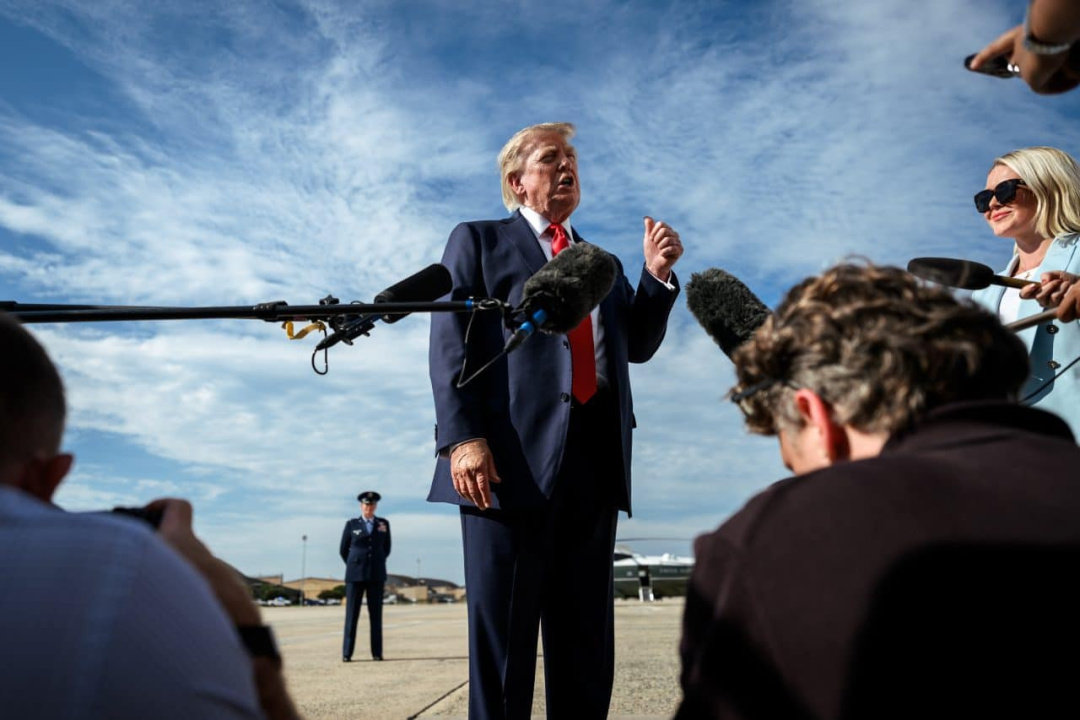
President Trump has unveiled his latest strategy in dealing with Iran, officially named 'Operation Economic Outcast', which is set to impose secondary sanctions on any country that dares to engage in trade with the nation. This bold move is a clear indication that the administration has thrown in the towel on military solutions, opting instead for the tried-and-true method of economic strangulation. After 47 years of sanctions proving to be about as effective as a screen door on a submarine, the administration appears to be banking on a miracle this time around.
In a recent briefing, Treasury Secretary Scott Bessent confidently declared that this new approach will put unprecedented pressure on Iran, which conveniently ignores the fact that the last few decades have demonstrated that such measures have had little effect on Tehran's resolve. Officials insist that this time will be different, as they unveil a convoluted matrix of compliance requirements that will surely confuse even the most seasoned diplomats. Countries wishing to maintain trade relations will now be forced to navigate a labyrinth of bureaucratic red tape, complete with a series of escalating penalties for non-compliance, ranging from financial penalties to a sternly-worded letter of disapproval.
Still Beats Watergate:
Sponsor success. Continue reading:
Adding to the absurdity, the administration plans to establish a new oversight committee, the Iran Economic Sanction Compliance Committee (IESCC), which will be tasked with ensuring that all trading nations are adhering to these new sanctions. This committee will be staffed by a rotating cast of officials who will meet weekly to discuss how best to apply sanctions that no one really believes will work. The metrics for success will involve not only the number of sanctions imposed but also the amount of confusion generated among global trade partners. The more confusion, the higher the success score.
Sanctions as a New Foreign Policy Tool
As part of this initiative, the administration will launch a public relations campaign aimed at convincing the American people that sanctions are a legitimate substitute for military action. This will include a series of infomercials featuring former military officials who have now become economic sanctions experts, explaining how sanctions are the new cool way to achieve foreign policy goals without any pesky boots on the ground.
Applied to you
In an unexpected twist, there are whispers that the administration is considering an exception for nations that provide essential goods, which could lead to a new category of sanctioned countries labeled as 'sanctioned but kind of okay'. This would allow the administration to maintain the facade of tough action while still ensuring that essential supplies can flow, because who doesn’t want to keep the trade lines open while pretending to be tough on Iran?
With each layer of complexity, one thing becomes clear: this new economic strategy is less about stopping Iran and more about giving the illusion of control. As the administration rolls out this ambitious plan, the world watches in bemusement, waiting to see how long it will take before the inevitable backtrack begins. It’s a classic case of bureaucratic theater that promises more than it can deliver, all while the real issues remain unaddressed.