Cameroon's Biya Issues Directive to Age Gracefully in Office
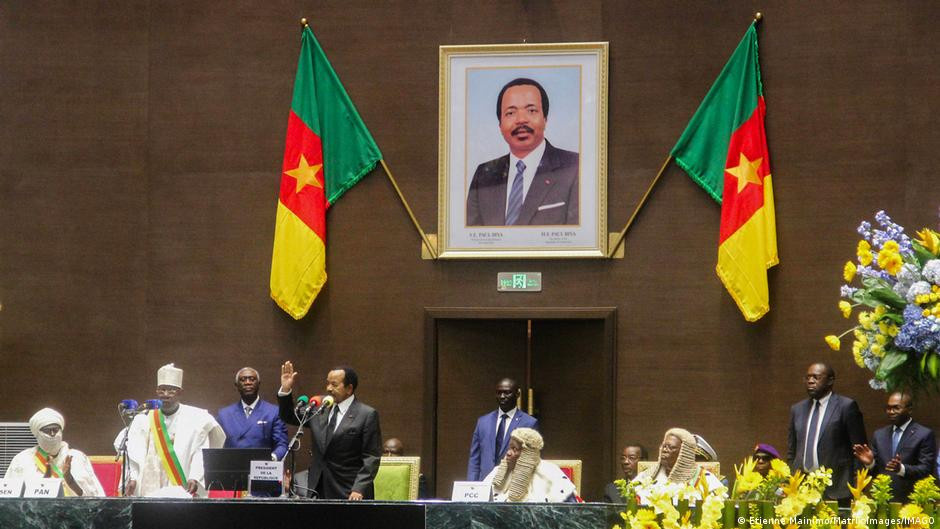
Cameroon's President Paul Biya, having commandeered the state since 1982, has unveiled his latest strategy to remain in power well into his centenarian years. A newly released directive, humorously dubbed "Operation Age Gracefully in Office," aims to establish a bureaucratic framework that ensures leaders can continue to rule without the distractions of age or public pressure. The directive will officially extend the terms of aging autocrats indefinitely, allowing them to serve until they, quite literally, can no longer attend meetings.
In a bold move, the vacant vice presidency is now being repurposed as a ‘Lifetime Achievement Award’ for loyal aides, ensuring that no potential successors will distract from the supreme leader’s ongoing reign. The underlying logic is impeccable: why appoint a vice president when you can simply reward the devotion of long-serving officials with titles that carry no actual responsibility? This innovative oversight will eliminate any unnecessary competition within the ruling elite, who can now bask in the glow of their leader’s prolonged tenure.
Still Beats Watergate:
Sponsor success. Continue reading:
Biya’s directive also emphasizes the importance of maintaining a stable network of loyal allies. As he continues to issue decrees from his Swiss hideaway, the government machinery remains steadfast, even if the head of state is more likely to be found in a luxury hotel than at the helm of national affairs. The official line, confirmed by a spokesperson, is that Biya is in “good health,” even if he hasn’t been seen in Cameroon for weeks.
However, this strategy does not come without its inherent risks. Tensions are rising among the elite as rumors swirl about potential successors, with various influential figures plotting to stake their claims in the post-Biya landscape. Beverly Ochieng, a senior analyst, warns that such rivalry could bring about a contest that no one wants to see: a chaotic free-for-all among sycophants that could easily escalate into a military coup.
Ugandan President Yoweri Museveni, also embracing the mantra of longevity in leadership, has been keeping his son Muhoozi Kainerugaba in the spotlight. While Kainerugaba’s recent military maneuvers and media shutdowns suggest a transfer of power is in the works, it raises the question: who will succeed these aging autocrats when the time finally comes? It seems the plan is to keep the legacy alive, even if that means handing over power to an equally ambitious heir.
Zimbabwe's Constitutional Maneuvers for Power
Meanwhile, in Zimbabwe, President Emmerson Mnangagwa has taken a page from Biya’s playbook, amending the constitution to extend his term and further entrench his party’s grip on power. In a strikingly bureaucratic move, the ruling ZANU-PF has now made it virtually impossible for the populace to vote him out, reinforcing the idea that when it comes to autocracy, the only way is forward, not backward.
In the grand tapestry of African leadership, one thing remains clear: aging autocrats will go to any lengths to ensure their grip on power, even if it means crafting a set of absurd policies that defy logic. As the directive unfolds, we can only watch in anticipation as these leaders continue to redefine the meaning of longevity in office, all while crafting a legacy that will be scrutinized for generations to come.
A New Era of Leadership Challenges
As the world watches, the aging leaders of Africa cling to their thrones with a mix of audacity and denial. The fight to remain relevant in a rapidly changing political landscape is not just a local affair; it’s a global spectacle. While the directives and constitutional changes may seem like bureaucratic formalities, they represent the desperate measures leaders will take to maintain their grip on power in the face of inevitable change.
The absurdity of it all underscores a critical fact: power can be seductive, but it can also lead to a farcical game of musical chairs, where the music stops, and only the most cunning remain seated. For now, we can only hope that the political machinery of these aging autocrats continues to function smoothly—at least until the next round of succession battles begins, and the curtain is pulled back on the next act of this elaborate political theater.