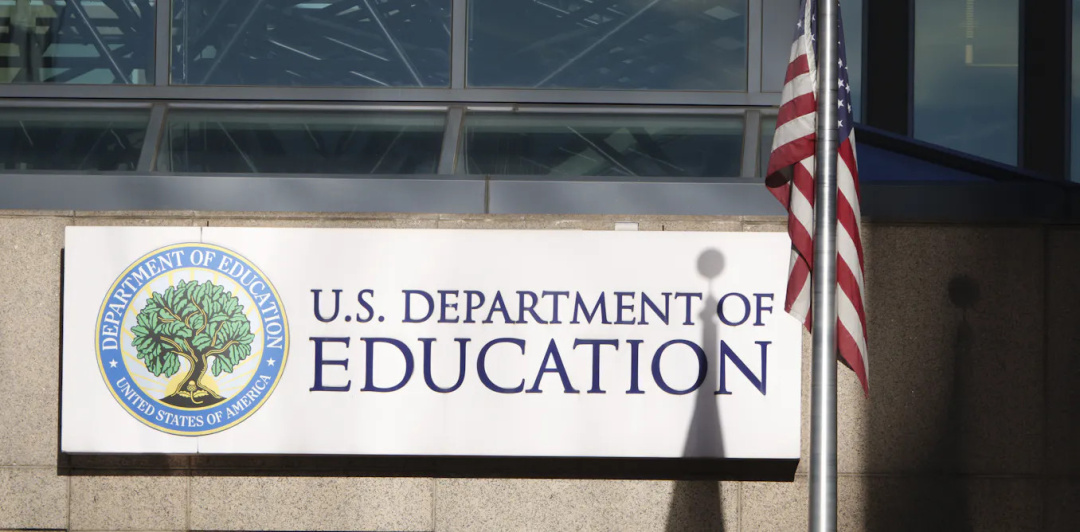
Trump Administration Recycles Old Idea: State Control of Education Makes a Comeback
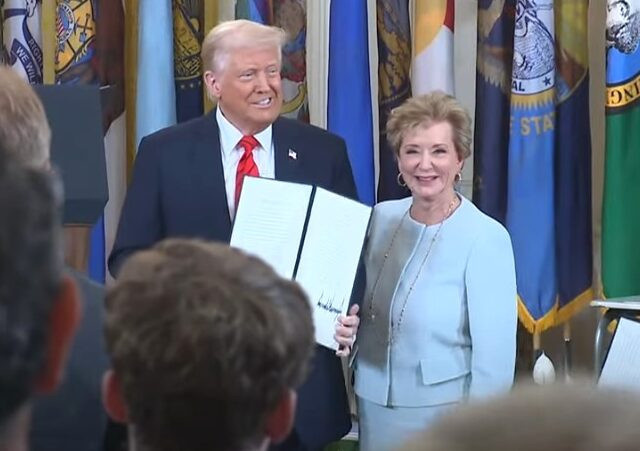
The Trump administration has officially announced a renewed initiative to shift control of education back to the states, an idea that has been floating around since the dawn of public schooling but seems to be gaining traction once again. This latest push comes after the federal Department of Education has invested a jaw-dropping $3 trillion in taxpayer dollars since its inception, all while national test scores in reading, writing, and math have fallen faster than a poorly constructed schoolhouse.
In a bold display of confidence, officials declared that states are now better equipped than ever to handle educational standards, citing the success of local pizza shops in delivering hot, cheesy products with remarkable efficiency. The Department of Education's new slogan, "If it can be delivered, it can be taught," is expected to resonate well among parents and educators alike.
Still Beats Watergate:
Sponsor success. Continue reading:
To ensure a smooth transition, the administration has proposed a comprehensive plan to dismantle federal oversight, replacing it with a series of whimsical state-level initiatives. These will include monthly compliance checklists filled with the most absurd metrics imaginable, ranging from the number of crayons per student to the frequency of fire drills masquerading as educational exercises.
Officials have also introduced the "Student Success Quadrant," a complex new framework that categorizes each state’s educational performance based on the number of tweets about educational outcomes, hours spent on TikTok educational videos, and the average number of school mascots per district. This metric, they assure us, will provide a holistic view of educational effectiveness that traditional testing simply cannot capture.
Furthermore, in an unprecedented move, the administration plans to incentivize states with additional funding based on their ability to produce viral educational content. The hope is that districts will leverage the power of social media to promote their successes, thus creating a new generation of students who are not only literate but also adept at navigating the convoluted world of online influencers.
As the initiative rolls out, the administration is poised to celebrate the return of educational control to the states while ignoring the glaring evidence that the prior federal investments have not yielded the desired results. In a final twist, the Department has proposed that any state failing to create a viral education campaign will face penalties, ensuring that the stakes for educational success are higher than ever—and equally absurd.