Trump Orders Lake Ontario Renamed to Lake America Amidst Rising Sovereignty Threats
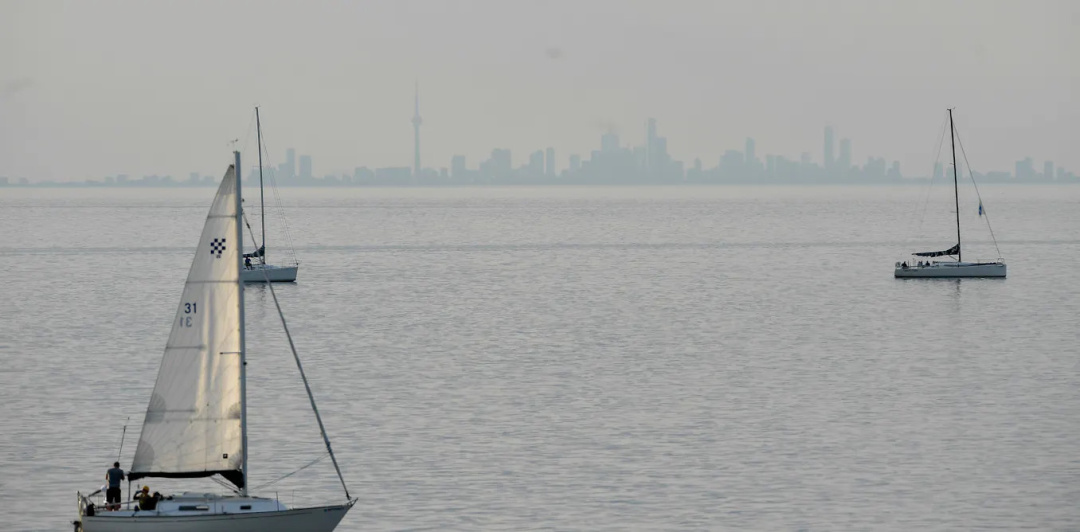
President Trump has officially declared Lake Ontario as "Lake America," an act that many are interpreting as a bold statement of territorial ambition. This latest move follows a series of comments questioning Canadian sovereignty, including the suggestion that Canada might become the 51st state. The executive order not only reflects his peculiar sense of humor but also represents an alarming trend in U.S.-Canada relations, where such antics have shifted from amusing to alarming.
The decision to rename the lake, which is already being noted for its lack of originality, is grounded in a long-standing tradition of colonial naming practices. By rebranding the lake, Trump aims to reinforce the notion that Canadian borders are negotiable, despite having no legal authority to make such a change. This bureaucratic bluster has become a hallmark of his administration, showcasing a blend of bravado and absurdity.
Still Beats Watergate:
Sponsor success. Continue reading:
In the wake of this decree, Canadian officials have expressed their disbelief, with Manitoba Premier Wab Kinew likening Trump's actions to an aging rock band performing their greatest hits in a casino. The comparison resonates as Trump's antics increasingly resemble a theatrical performance rather than serious political discourse. His administration's trade disputes with Canada, including new tariffs on Canadian goods, further murky the waters of diplomatic relations.
Despite the absurdity of renaming a body of water, the implications are far more serious. As Trump continues to push the envelope with his sovereignty threats, the rhetoric surrounding Canadian independence risks becoming a normalized part of political dialogue. The mere fact that such declarations are taken lightly by some audiences poses a genuine threat to the established order of U.S.-Canada relations.
Prime Minister Mark Carney has countered by reaffirming the historical significance of the name Ontario, which originates from Indigenous languages, emphasizing that actual recognition of territory should acknowledge its true heritage. Yet, the irony of his stance juxtaposed with ongoing governmental policies that neglect meaningful Indigenous consultation highlights the complexity of the situation.
As Canadian ministers grapple with how to respond to Trump's antics, the question arises: when does a joke become a serious political maneuver? Recent polls indicate a decline in Canadian public concern over Trump's threats, suggesting a troubling trend where repeated absurdities become easier to dismiss. The broader implications of these political performances raise concerns about the erosion of sovereignty and historical awareness.
Trump's penchant for rebranding extends beyond lakes; it reflects a deeper narrative of reshaping history itself. With the Gulf of America already appearing on U.S. maps, one can only speculate how far these naming conventions will go. Amidst this chaos, Canadian leaders must remain vigilant, for what begins as a joke could soon reshape the contours of North American diplomacy.