White House Scraps H-1B Visa Grace Period, Leaving Workers in a Job Hunt Lurch
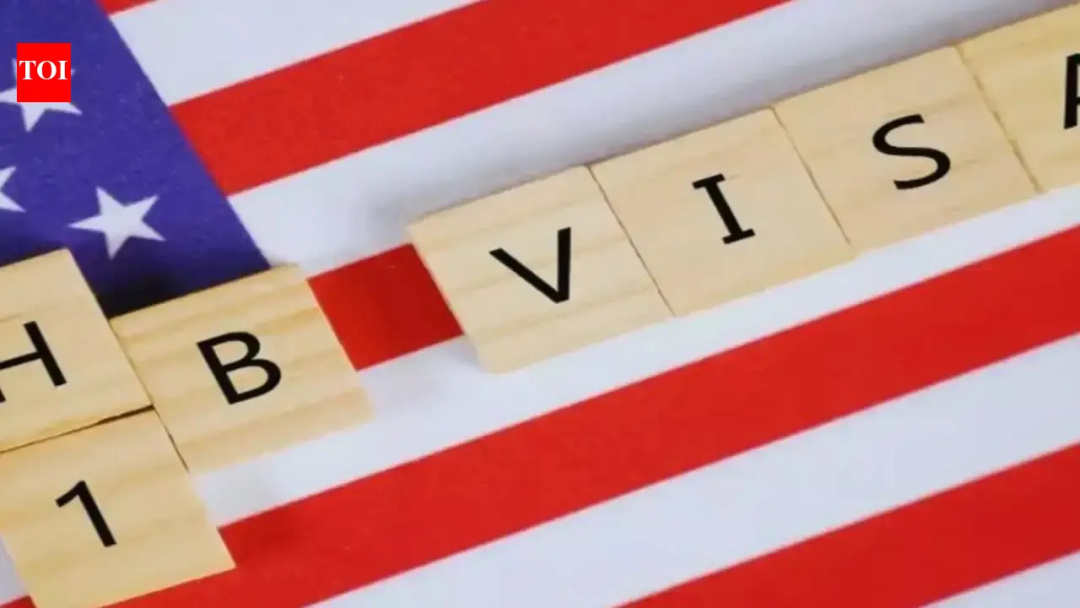
The White House has officially sanctioned the removal of the 60-day grace period for H-1B visa holders, a decision that has immigration experts scrambling for a lifeline. The Department of Homeland Security's proposal, which has cleared the Office of Information and Regulatory Affairs, effectively means that if H-1B workers lose their jobs, they must pack their bags and return home, no questions asked. This policy aims to streamline accountability but instead appears to create an express lane to indentured servitude.
According to officials, the absence of a grace period will encourage H-1B visa holders to be more committed to their employers, who will now have even more leverage over their workers. "This will undoubtedly increase the bargaining power of employers, making it harder for workers to seek better opportunities without the fear of immediate deportation," said a spokesperson from the Office of Unintended Consequences.
Still Beats Watergate:
Sponsor success. Continue reading:
In a bold move, the administration insists that eliminating the grace period will actually promote fairness in the labor market. The logic? If workers are scared enough to stay put, they’ll be less likely to complain about wages or working conditions. The official statement notes that this aligns with the administration's goal to create a level playing field for American workers, even if it means ensuring that H-1B visa holders have no choice but to grab the nearest exit sign if their job security falters.
Critics have pointed out the absurdity of this approach, arguing it will not only reduce job mobility but also increase wage disparities. Vivek Wadhwa, an Indian-American entrepreneur, highlighted that this policy change effectively pushes H-1B workers into a state of increased vulnerability, where they must accept any job offer, no matter how exploitative. "Big Tech won’t lobby against it; in fact, they’re probably throwing a party," he quipped, alluding to the increased control corporations will now have over their foreign workers.
Meanwhile, immigration lawyers are nervously reviewing the legal implications of this policy, forecasting a potential flood of lawsuits as workers challenge their treatment under this new regime. Daniel Di Martino, an immigration researcher, emphasized that companies are likely to favor hiring H-1B workers even more, recognizing that these individuals will have fewer options and thus, less power to negotiate.
The administration seems unfazed by the backlash. They remain confident that this regulatory shift will inspire a new era of productivity and compliance among H-1B visa holders. As the policy is set to roll out, one can only imagine the bureaucratic gymnastics that will ensue as workers scramble to navigate the new landscape—where job security is a thing of the past and the path forward is defined by uncertainty and urgency. The final punchline? If you’re not working, you’re not staying. Welcome to America, where job loss now comes with a side of immediate departure.