FTC Announces Groundbreaking New Initiative to Probe YouTube for Social Media Compliance
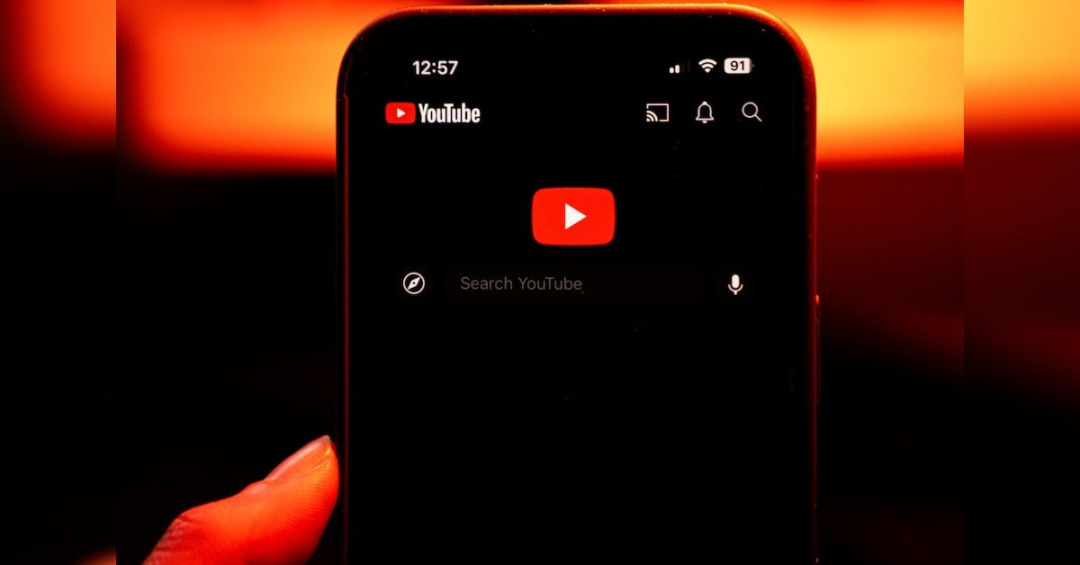
The Federal Trade Commission has announced a groundbreaking new initiative to investigate YouTube's social media policies, a move aimed at ensuring compliance in an age of digital confusion. The agency, known for its tireless pursuit of consumer protection, has been probing the popular video platform since last year, but now asserts that it is in the final stages of preparing a potential lawsuit. This sweeping inquiry is purportedly focused on whether YouTube has violated intricate social media regulations that few have ever seen, let alone understood.
In a press briefing that left many scratching their heads, an FTC spokesperson emphasized that the investigation is vital for upholding the integrity of online platforms. "We must ensure that social media operates within the rules, which we are currently making up as we go along," the spokesperson confidently declared. The agency has developed an extensive framework of compliance metrics that involves monitoring everything from user engagement rates to the color of thumbnails, ensuring that no stone is left unturned.
Still Beats Watergate:
Sponsor success. Continue reading:
In an effort to clarify its objectives, the FTC has established a new task force, the Social Media Oversight and Regulation Team (SMORT), which will oversee the investigation and develop new guidelines that will likely confuse everyone involved. SMORT will not only assess YouTube's adherence to existing policies but will also create entirely new regulations that can be retroactively enforced. A spokesperson for SMORT stated, "Our goal is to create a comprehensive set of rules that no one can possibly follow, ensuring that platforms like YouTube are held accountable for decisions made in the dark recesses of their algorithmic minds."
As the investigation heats up, YouTube has assured its users that it is committed to transparency and the elusive concept of fairness. However, internal documents leaked to the press outline a strategy to comply with regulations while simultaneously continuing to operate as if none existed. This paradox has led to the establishment of a new compliance department whose sole responsibility is to draft compliance reports that will never be read.
The FTC's probe has drawn skepticism from observers who question whether the agency has the resources to effectively monitor a platform as vast as YouTube. In response, the FTC has vowed to increase its workforce by hiring a cadre of interns who will be tasked with watching YouTube videos for compliance violations, a move that many view as a bold attempt to redefine what it means to be an agency dedicated to consumer protection. As the investigation unfolds, one thing is clear: the FTC is committed to ensuring that YouTube remains a platform where confusion reigns supreme, even as it navigates the murky waters of social media policy enforcement.