Iran Unveils Conditions for Reopening Strait of Hormuz Amidst Diplomatic Parley
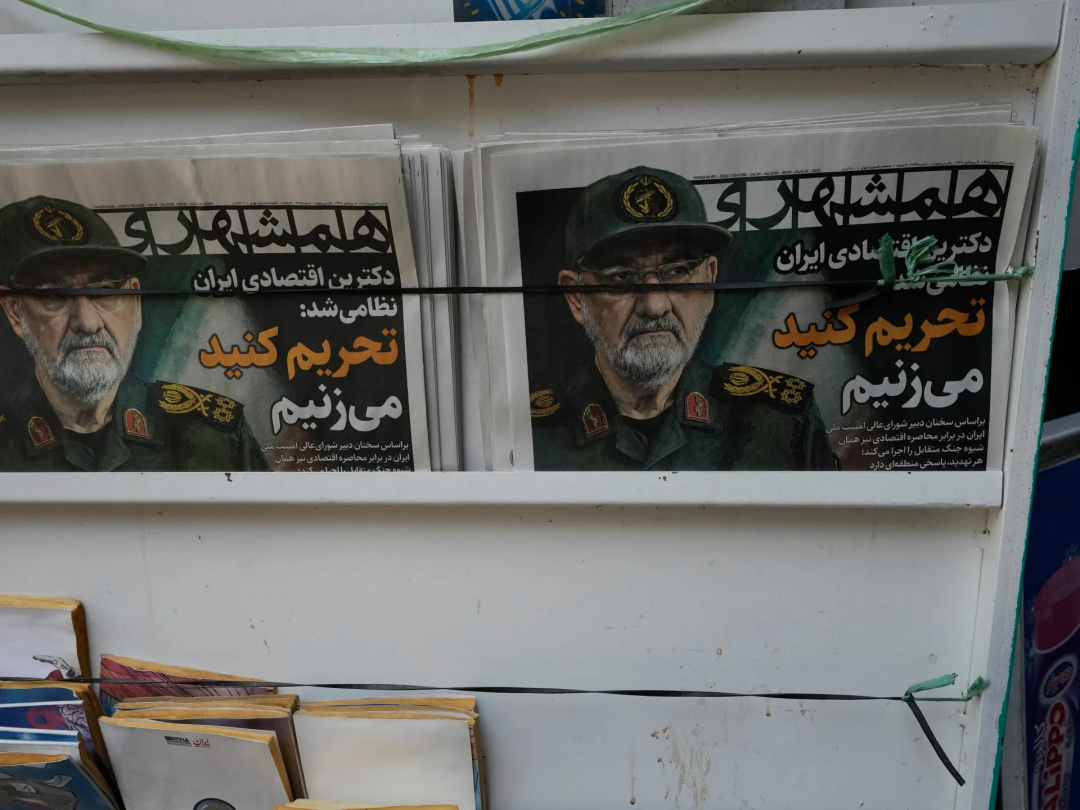
Iran has officially declared its intent to unveil a comprehensive list of demands to facilitate the reopening of the Strait of Hormuz, a vital artery for global oil shipments. According to Mohsen Rezaei, secretary of Iran’s Supreme National Security Council, these conditions will be presented to a cadre of mediators who have recently flocked to Tehran, including delegations from Qatar, Pakistan, and Oman. Among the stipulations, ending the regional war is expected to be a top priority.
In a remarkable display of diplomatic choreography, the Qatari Prime Minister engaged in discussions with Iranian officials about establishing a temporary shipping corridor through the strait. This initiative reportedly includes a joint project aimed at clearing mines, which, according to Iranian officials, have mysteriously multiplied in the waterway since the recent hostilities began. Rezaei emphasized that the final agreement hinges on the United States taking significant steps to meet Iran’s multifaceted demands, which reportedly include lifting the blockade on Iranian ports, issuing reparations for damages incurred during conflicts, and an outright removal of all sanctions.
Still Beats Watergate:
Sponsor success. Continue reading:
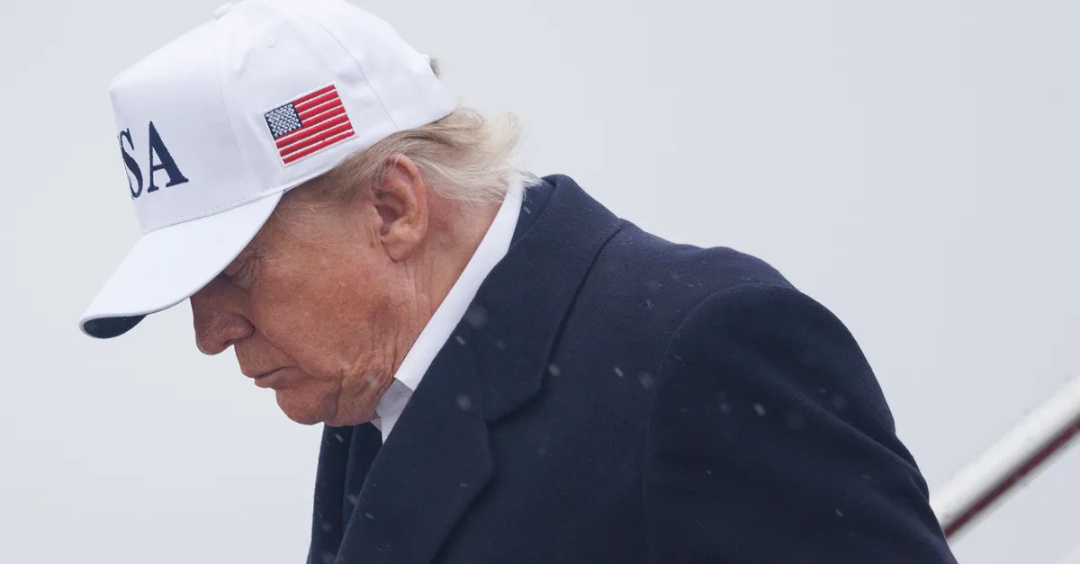
In a simultaneous display of confidence, President Trump, while addressing the media from the Oval Office, proclaimed the waterway “fully operational,” asserting that U.S. forces had already cleared any obstructions. He noted that millions of barrels of oil were currently flowing through the strait, despite Iran’s insistence that it remains closed due to the U.S. blockade. Trump further stated he was “not in a hurry” to resume negotiations, a comment that has left many wondering if he also plans to clear a path through the bureaucratic minefield of international diplomacy.
As the situation develops, the Iranian Revolutionary Guard Corps has made it clear that any attempt to reopen the strait will be met with stringent conditions, which include direct compensation for war damages and a thorough dismantling of sanctions. This firm stance has led some analysts to speculate about the real potential for a peaceful resolution, as both sides appear committed to maintaining their respective positions of power.
In a bizarre twist, the June Memorandum of Understanding, which briefly allowed for the reopening of the strait under specific conditions, has been declared null and void, further complicating the matter. This agreement had stipulated that Iran would clear mines and allow vessels to pass free of charge for a limited time, contingent on U.S. compliance with its own demands. However, with the expiration of the MoU now behind them, officials from both nations seem to be locked in a high-stakes game of diplomatic chicken, with the Strait of Hormuz as the proverbial chessboard.