Biden's Pardon Consideration for Trump Sparks Bureaucratic Certification Process
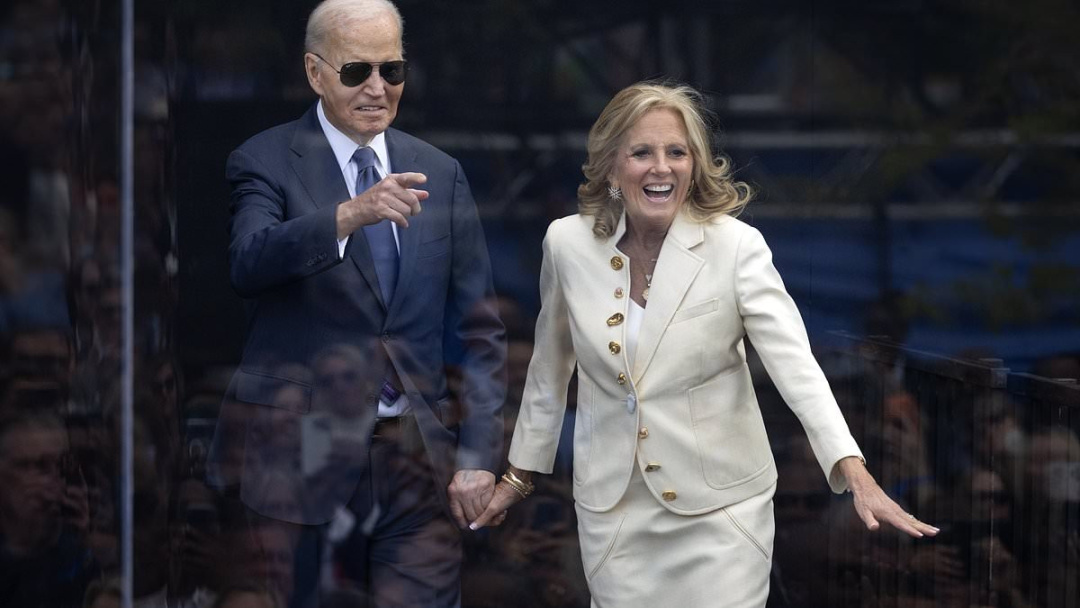
The Biden administration has announced the initiation of a comprehensive certification process to evaluate any potential presidential pardons, particularly one for Donald Trump. Officials have labeled this initiative as a necessary step in ensuring that all pardons meet the newly established Standards of Presidential Equity and Transparency, or SPET. This new framework, they claim, will ensure that any pardon is not perceived as politically motivated or, heaven forbid, a misuse of executive power.
As part of this initiative, every proposed pardon will undergo a rigorous vetting process involving no fewer than nine committees, each tasked with evaluating the pardon’s impact on national unity, public perception, and the potential for increased fundraising opportunities for future campaigns. The committees will consist of representatives from the Office of Political Integrity, the Department of National Apologies, and a newly formed body called the Justification and Reasonableness Assessment Taskforce (JRAT).
Still Beats Watergate:
Sponsor success. Continue reading:
In what officials are hailing as a groundbreaking move, the administration has also proposed a series of public forums where citizens can weigh in on the merits of a pardon. These forums, dubbed “Pardon Paloozas,” will allow the public to share their thoughts, concerns, and conspiracy theories in a festive atmosphere, complete with food trucks and live music. However, to participate, attendees must navigate a complex registration process, complete a survey on their political preferences, and submit to a facial recognition scan to ensure compliance with the initiative.
Moreover, the administration is considering implementing a new metric called the Pardon Impact Factor (PIF), which will assess how each pardon could potentially affect the administration's approval ratings. This metric is poised to become the gold standard for all future pardons, meaning any presidential clemency will not just be a decision made in the Oval Office but will also require a comprehensive analysis of its potential electoral ramifications.
As the administration gears up for this unprecedented bureaucratic endeavor, some officials are already expressing concerns about the potential backlash from voters who might view these measures as overly convoluted and unnecessary. Nevertheless, they remain committed to ensuring that any future pardons are not only fair but also strategically advantageous for the Democratic Party, under the guise of compliance and transparency.
In the final twist to this unfolding saga, it has been suggested that any pardon granted under these new guidelines could be accompanied by a mandatory public relations campaign, ensuring that the administration can spin the pardon in the most favorable light possible. This campaign is expected to include a series of primetime ads highlighting the positive impacts of the pardon, featuring heartfelt testimonials from individuals who have benefitted from similar clemency measures in the past.
As the Biden administration moves forward with its plans, one thing remains clear: the path to presidential pardons is about to become more complicated than ever, proving that even in matters of justice, politics will always find a way to complicate the simplest of actions.