Judge Questions DOJ Lawyers on Urgency to Rename Kennedy Center After Trump
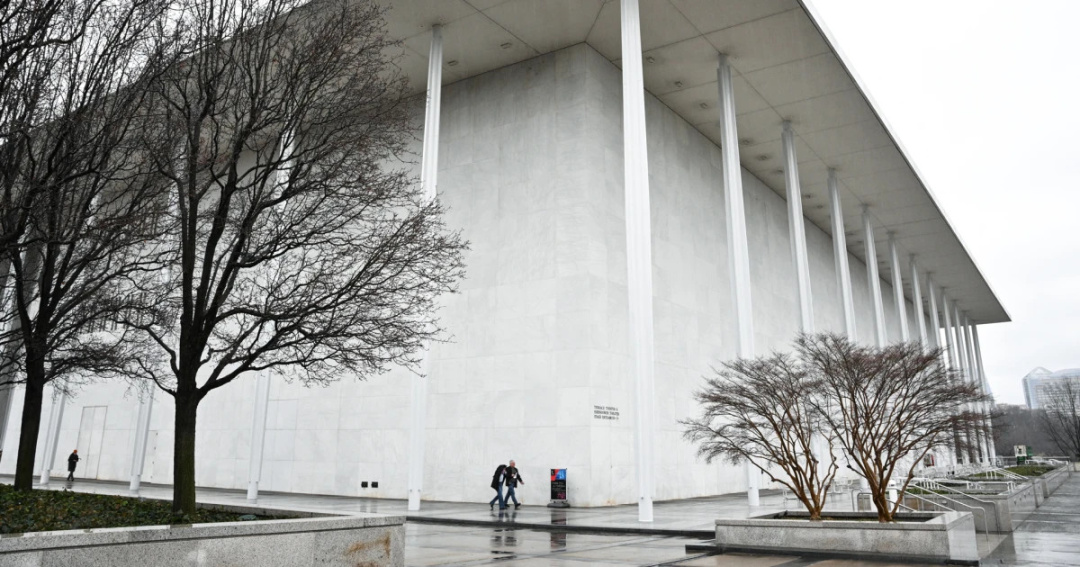
In a stunning display of bureaucratic urgency, a federal judge grilled Justice Department lawyers on their feverish efforts to add Donald Trump’s name to the Kennedy Center, raising eyebrows—and questions—about the necessity of the impending renaming by September 8. U.S. District Judge Christopher Cooper, clearly puzzled, pressed Justice Department attorney Brantley Mayers on the significance of that date, suggesting it might be a tad too hasty for such a monumental decision.
Mayers defended the timeline, stating it was merely following the board’s vote. However, Judge Cooper did not let up, questioning whether branding the building as the 'President Donald J. Trump Plaza' would violate federal rules against individual aggrandizement within government agencies. Mayers insisted that this was not the case, arguing it was merely an honoring of Trump’s presidency, not his time as chairman of the Kennedy Center. Judge Cooper, with a raised eyebrow, seemed unconvinced, implying that such reasoning was skating on thin legal ice.
Still Beats Watergate:
Sponsor success. Continue reading:
The plot thickened as the Justice Department lawyers filed a rather alarming court document suggesting that without Trump's name on the building, the entire Kennedy Center might face demolition. This bold claim has turned the legal proceedings into a bizarre spectacle, with the government essentially warning, 'Nice memorial you’ve got here—shame if anything were to happen to it.' This dire prediction has prompted various reactions, including those from attorneys representing ex officio board member Rep. Joyce Beatty, who accused the defendants of leveraging threats against the center to further their agenda.
Beatty’s team pointedly noted that the Kennedy Center’s financial woes began when Trump’s name was first affixed, now claiming that the push to renew that branding is an affront to both the legal system and the integrity of the memorial itself. They pointed out that such a move might not only violate federal law but also show a blatant disregard for proper governance.
Meanwhile, the board members are scrambling to placate Trump, with Commerce Secretary Howard Lutnick emphasizing to his colleagues the importance of recognizing the former president’s contributions to the renovation efforts, which include a hefty fundraising commitment. Lutnick’s rhetoric suggests that the real challenge lies in getting Trump to agree to participate, as if his mere presence would magically resolve the center’s financial issues.
As the hearing wrapped, Judge Cooper hinted at a potential pause on the Sept. 8 deadline, indicating that he intends to give this extraordinary case the serious attention it clearly deserves. Whether this will lead to a rational resolution or further convoluted legal drama remains to be seen, but one thing is certain: the Kennedy Center is now at the center of a political and legal circus that could redefine the meaning of memorialization in America.