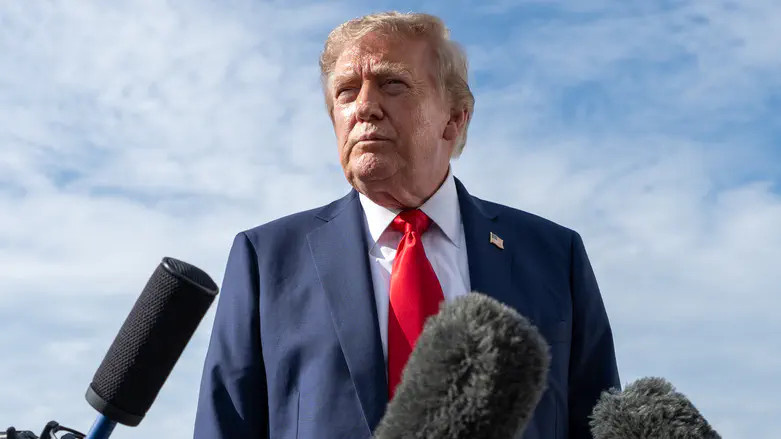
Trump Administration Evaluates Iran-Oman Hormuz Framework Excluding U.S. Warships
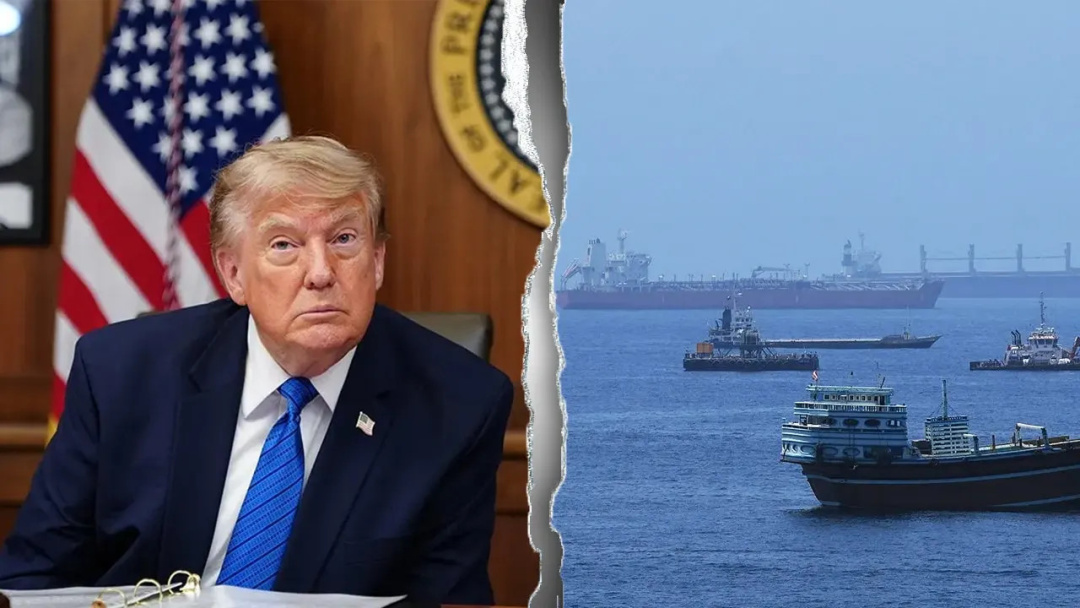
The Trump administration is reportedly in deep contemplation over a new proposal from Iran and Oman concerning the Strait of Hormuz—a plan that Tehran boldly asserts would exclude U.S. military vessels. This declaration has sent ripples through the corridors of power, prompting officials to furrow their brows and consult the rulebook on international maritime law, which they insist is still a thing.
While U.S. Central Command has firmly rejected Iran’s claim of authority over the strait, stating that it remains an international waterway, the White House has curiously opted for radio silence regarding whether President Trump would consider any restrictions on U.S. naval presence. This strategic pause raises eyebrows, especially after months of the administration vocally insisting that Iran's attempts to control the passage were as legitimate as a cat’s claim to a dog park.
Still Beats Watergate:
Sponsor success. Continue reading:
As the plot thickens, U.S. military officials have been busy providing escort services to commercial vessels, reportedly assisting nearly 1,500 ships through the strait since late spring. Yet, as the Trump administration faces this diplomatic pickle, they seem to be caught between a rock and a hard place—one that demands either a bold military response or an embarrassing diplomatic concession.
The newly proposed framework, which is still in the technical discussion phase, hints at a temporary navigational corridor that could allow commercial shipping to flow through Iranian waters—provided, of course, that military ships are barred from entering. The absurdity of such a restriction is not lost on those familiar with the strait’s historical significance for U.S. military operations.
As Secretary of State Marco Rubio previously stated, Iran's toll system proposals were not just unacceptable—they were downright laughable. However, one wonders if the administration will now be forced to take a comedic turn and accept a framework that essentially hands Iran a monopoly on maritime navigation while American forces are left to twiddle their thumbs in an increasingly hostile environment.
In a world where military posturing meets bureaucratic absurdity, one can only speculate what outrageous terms might emerge from ongoing negotiations. Will the U.S. be forced to pay a toll to pass through waters it has historically controlled? Will the next round of sanctions include a 'Do Not Enter' sign for U.S. warships?
As officials ponder these weighty questions, the fate of U.S. interests in the region hangs in the balance. Meanwhile, the Iranian Revolutionary Guard Corps claims to have reached agreements on how to divvy up the strait's waters, while the White House remains conspicuously mute on its strategic future in this pivotal maritime landscape.