BBC Director-General Matt Brittin Declares News Service a 'Misinformation Disinfectant'
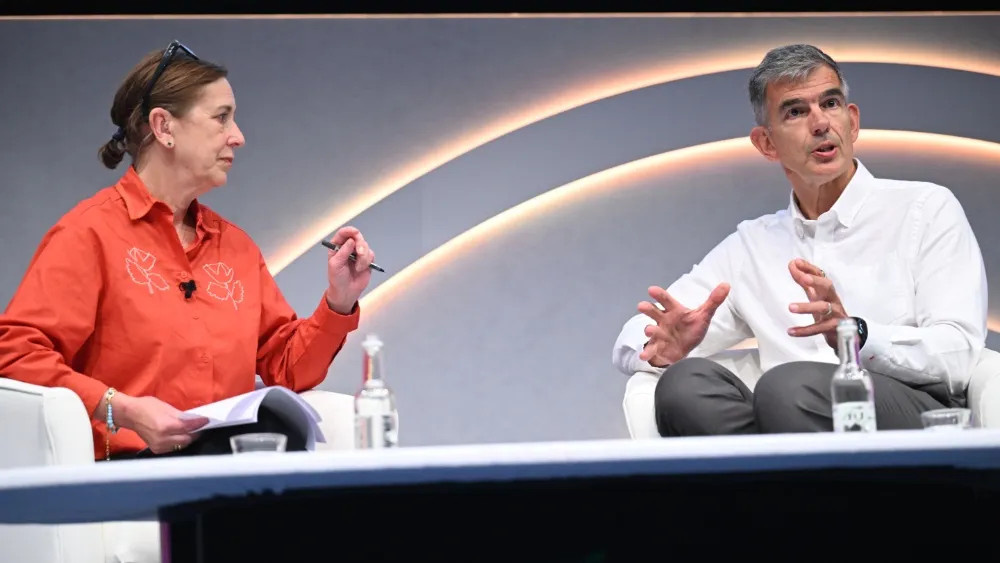
BBC Director-General Matt Brittin has announced a groundbreaking initiative to reinforce the BBC's position as a primary source of truth in an era riddled with misinformation. During a recent Q&A session at the Edinburgh TV Festival, he confidently declared that the BBC’s news service will now be officially recognized as a 'Disinfectant for Misinformation.' This new designation is expected to elevate the corporation's commitment to battling falsehoods and restoring public trust with a robust spray of journalistic integrity.
In a move that has bureaucratic observers raising eyebrows, Brittin outlined a multi-tiered plan involving a new Compliance Committee for Misinformation Disinfection. This committee will be tasked with developing a comprehensive set of guidelines for journalists to follow, ensuring that every news report undergoes a rigorous cleaning process before it reaches the public. This includes the introduction of a mandatory 'Misinformation Sensitivity Score,' which will rate articles on a scale from 1 to 10, based on their factual accuracy. Reports that score below 6 will be subject to a mandatory re-editing process, potentially leading to a complete overhaul of the original content.
Still Beats Watergate:
Sponsor success. Continue reading:
Additionally, the BBC is implementing an innovative AI-driven tracking system designed to monitor the spread of misinformation in real time. Dubbed the 'Misinformation Radar,' this system will alert journalists whenever a false claim begins to circulate, prompting immediate follow-up stories that will counteract the erroneous information. Brittin noted that the system aims to respond faster than any viral tweet, with a target response time of 2.3 seconds to ensure the public remains informed and safe from misinformation attacks.
To further illustrate the seriousness of this initiative, Brittin announced that the BBC will conduct a nationwide campaign encouraging viewers to report any instances of misinformation they encounter. Citizens who submit valid misinformation reports will be eligible for entry into a monthly draw, with prizes including exclusive BBC merchandise and the coveted title of 'Misinformation Guardian.'
As if this wasn't enough, Brittin emphasized the importance of transparency by promising to publish annual reports detailing the types of misinformation encountered and the effectiveness of the BBC's disinfectant measures. This, he stated, would ensure that the corporation remains accountable and continuously improves its strategies against misinformation, all while maintaining an air of institutional confidence.
In a surprising twist, Brittin hinted at the possibility of expanding the program to include a 'Misinformation Rehabilitation Initiative,' aimed at rehabilitating major offenders in the misinformation landscape. This would involve educational workshops for social media influencers who have previously spread false narratives, teaching them the importance of fact-checking and responsible journalism. The program’s pilot phase is expected to launch next quarter, pending approval from the newly formed Misinformation Oversight Board, which is still finalizing its charter for effective operation.
As the BBC embarks on this audacious journey to cleanse the media landscape, one can't help but wonder if the disinfecting spray will be strong enough to tackle the deep-rooted issues of misinformation that plague modern media. Only time will tell if this ambitious plan will prove effective or if it will simply become another layer of bureaucratic red tape.