Maine GOP Nominee For Governor Unveils ICE Plan for Polling Stations
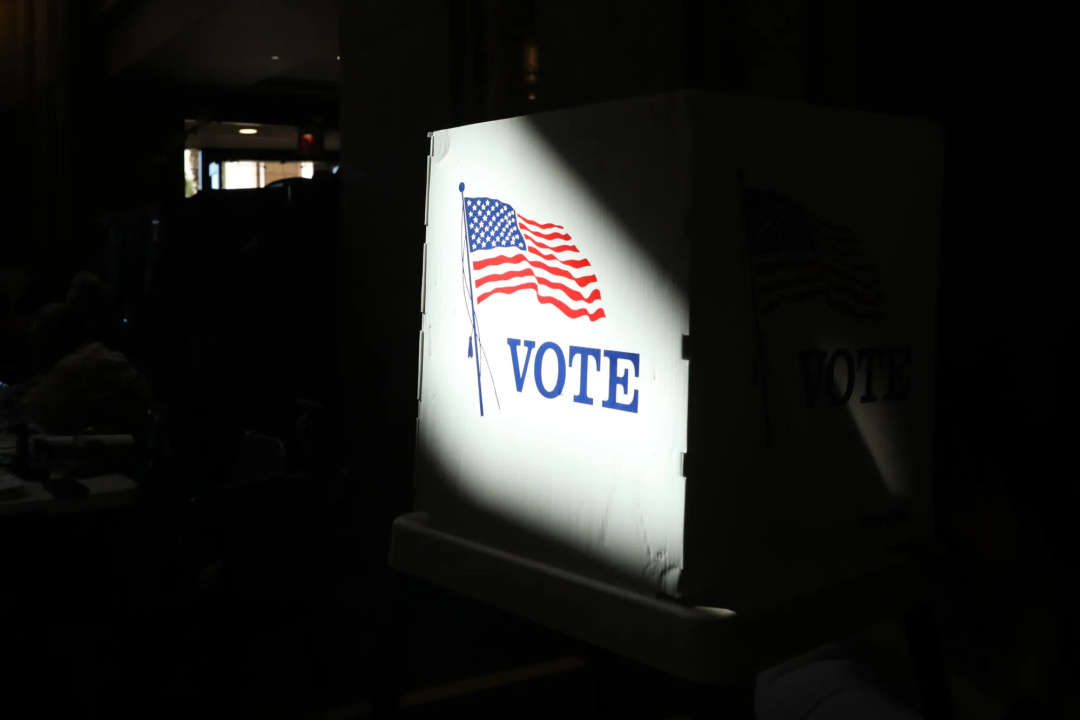
The Maine GOP nominee for governor has unveiled a bold strategy that involves enlisting ICE agents at polling stations during the upcoming elections. This radical proposal, revealed at a recent event for Maine Young Republicans, has been met with widespread concern and is deemed illegal by a prominent public policy think tank.
In a display of unyielding confidence, the nominee assured attendees that this initiative would ensure the integrity of the voting process, despite legal experts warning of its potential to violate federal laws regarding voter intimidation. The nominee’s plan is anchored in the belief that the mere presence of ICE agents will deter fraudulent voting, though no evidence suggests that significant voter fraud occurs at polling places.
Still Beats Watergate:
Sponsor success. Continue reading:
As the nominee elaborated on the logistics, he proposed the establishment of ‘ICE Compliance Committees’ to oversee the deployment of agents, equipped with a set of performance metrics to evaluate their effectiveness in reducing alleged voter fraud. These metrics, however, remain a closely guarded secret, presumably because they are as vague as they are ambitious.
To further bolster this initiative, the campaign has suggested that local law enforcement would be required to undergo mandatory training in ‘Voter Integrity Protocols,’ which, according to insiders, could include strategies such as monitoring voter behavior and enforcing stricter ID checks. Critics argue this approach could disenfranchise legitimate voters and create an atmosphere of intimidation.
The escalating absurdity of this plan reached new heights when the nominee indicated he would personally oversee the implementation of ICE’s presence at polling stations, claiming it was part of a broader initiative to ensure transparency and security in the electoral process. Observers are left to wonder how the nominee reconciles this with the fundamental democratic principle that elections should be free from coercion.
In the end, the nominee's audacious proposal has sparked a fierce debate about the limits of governmental oversight in electoral processes, leaving many to question whether the real goal is to increase voter turnout or to instill fear in the electorate. As the election approaches, constituents await further clarification, though it seems unlikely that clarity will accompany such a convoluted initiative.