Trump Expands National Emergency to Ban Foreign Equipment from Energy Grid
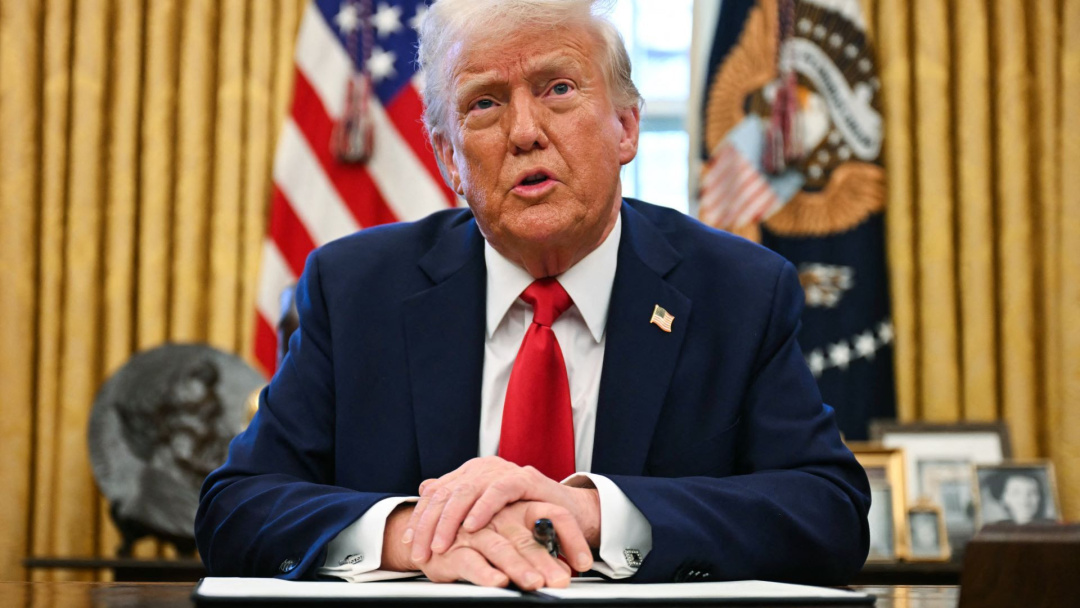
President Trump has expanded his national emergency declaration to include a new ban on foreign equipment from the US energy grid, a move that promises to elevate tensions in international trade to new heights. This order, described as a necessary step to protect national security, specifically targets foreign-made hardware and software, with a clear nod to the ever-present specter of Chinese manufacturing prowess.
In a bold show of administrative confidence, the ban will require the immediate establishment of a new Bureau of Foreign Equipment Scrutiny (BFES), tasked with the monumental job of evaluating all foreign components currently in use. The BFES will operate under an ambitious timeline, aiming to identify and replace all offending equipment within a mere two years, a task that assumes both the availability of suitable domestic alternatives and the cooperation of an industry that has been largely reliant on international supply chains.
Still Beats Watergate:
Sponsor success. Continue reading:
To ensure compliance, the order stipulates that any utility found using banned equipment will face severe penalties, including hefty fines and potential criminal charges for executives. The administration has also introduced a new metric: the Foreign Influence Risk Score (FIRS), which will be calculated based on the percentage of foreign components in utility operations. Utilities will be required to submit quarterly reports, complete with detailed breakdowns of equipment origins, lest they face the wrath of the newly formed Committee for National Power Integrity (CNPI).
As part of this ambitious initiative, the administration will be holding a series of mandatory workshops for energy sector leaders, during which they will learn how to communicate the need for this ban to the public without leading to widespread panic about potential blackouts. This will include training sessions on how to frame the ban as a patriotic duty rather than a significant logistical challenge.
In a final twist, the order also opens the door for potential exemptions for certain allies, provided they can prove their equipment’s lineage can be traced back to a friendly nation. This could lead to a bizarre scenario where some energy companies may find themselves importing equipment from nations previously deemed too questionable for American infrastructure, all in the name of keeping the lights on. As the administration barrels forward with its plan, the complexities and contradictions of this new policy promise to unfurl in ways that will keep both the public and industry insiders scratching their heads in disbelief.