Los Angeles Proposes $2 Billion Plan to Avoid Olympic Traffic Catastrophe
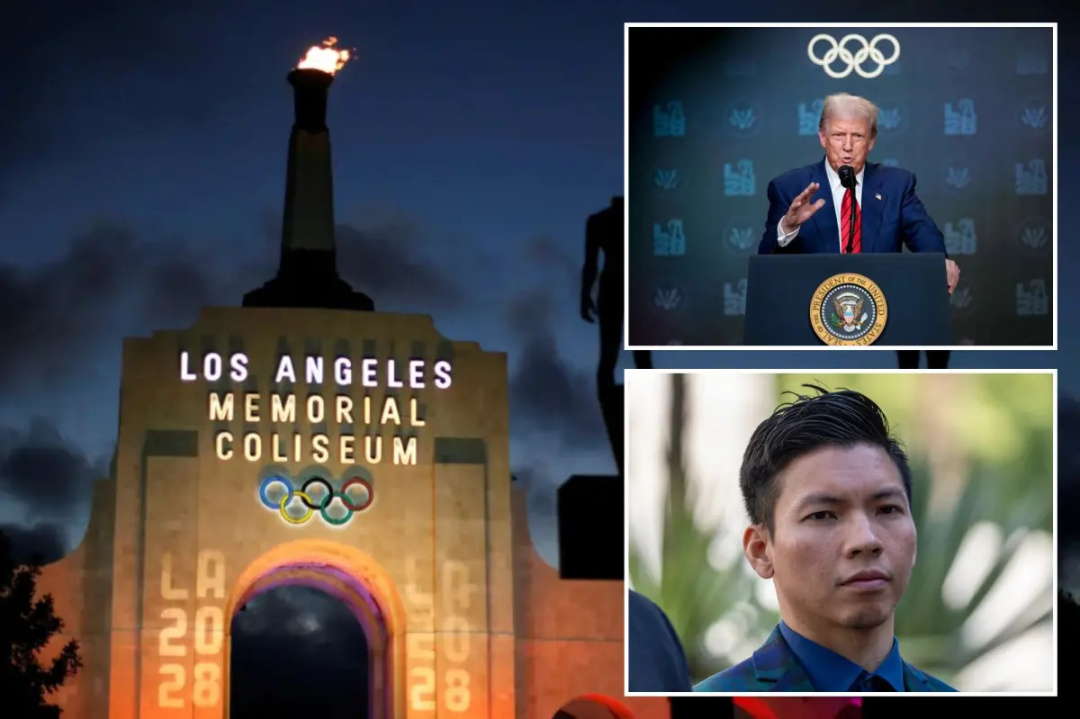
Los Angeles has unveiled a staggering proposal to secure $2 billion in federal funding, aimed squarely at transforming the city’s transportation infrastructure before the 2028 Olympics. In a bid to stave off what city officials are calling a potential "traffic Armageddon," the LA Metro has issued a clarion call for cash, insisting that without this hefty investment, millions of visitors could find themselves marooned in gridlock.
Despite the urgency of the request, the Trump administration has left this plea out of its budget proposal, leading city leaders to engage in a series of increasingly elaborate justifications for why this money is not just a luxury but a necessity. According to a spokesperson from LA Metro, the funding is essential to implement a project called "Operation Smooth Sailing," which is designed to create an express lane for Olympic traffic and a backup plan involving directing all traffic to alternate dimensions.
Still Beats Watergate:
Sponsor success. Continue reading:
In a press conference that veered into the surreal, officials outlined a multi-tiered strategy that includes the construction of "temporary traffic bubbles" that would encapsulate vehicles and transport them to their destinations via a network of pneumatic tubes. If that doesn’t work, they will resort to a "Traffic Distress Committee" that will meet weekly to brainstorm new ways to avoid the impending chaos.
The proposal also includes an ambitious initiative to train local pigeons as traffic guides, a move that has drawn both skepticism and applause from various city stakeholders. Officials assure the public that this avian initiative will reduce the need for human traffic officers and will be fully funded by a new tax on Olympic-themed merchandise. The city anticipates a spike in sales of commemorative T-shirts and hats, all emblazoned with the slogan "No Traffic, No Problem!"
As the budget proposal continues to be scrutinized, city officials are exploring all options, including a last-resort plan to declare a "Traffic Emergency" that would allow them to commandeer private vehicles and turn them into temporary public transport. With the stakes this high, the city is clearly committed to ensuring that the only jams during the Olympics are the ones featuring live music and not the ones caused by overwhelmed roadways.