Iran's Diplomatic Bazaar Welcomes Qatar, Oman, and Pakistan for Talks on Peace and Hostility
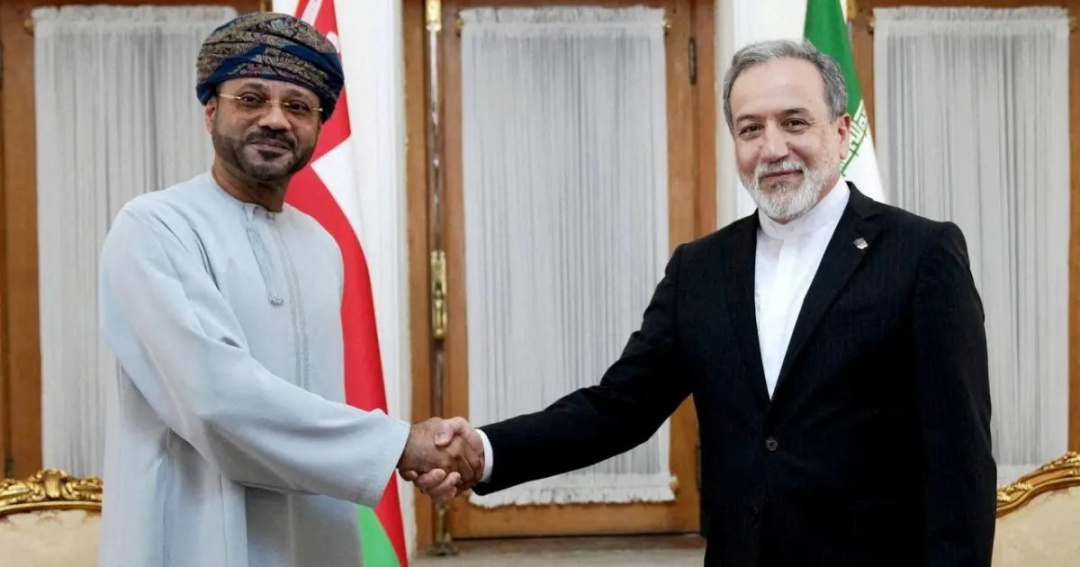
Iran's diplomatic stage has been transformed into a bustling bazaar as officials from Qatar, Oman, and Pakistan converge on Tehran, all eager to negotiate a ceasefire that has the flavor of yesterday's stale bread. Qatari Prime Minister Sheikh Mohammed bin Abdulrahman bin Jassim Al Thani has taken the lead, promising to not only de-escalate tensions but also to restore the Strait of Hormuz to some semblance of normalcy. This strait, which has been the epicenter of maritime drama, will hopefully return to its pre-February status, when it was merely a busy shipping lane rather than a battle zone.
As discussions unfold, the agenda includes the delicate handling of the Strait of Hormuz, which Iran has mostly closed, causing a global energy crisis reminiscent of a bad dream. In a move that can only be described as bureaucratic alchemy, Iran has proposed a new temporary shipping route that allows vessels to enter through Iranian waters while granting Tehran control over exit routes. This arrangement, however, is contingent on the United States lifting sanctions, which might as well be a request for a unicorn.
Still Beats Watergate:
Sponsor success. Continue reading:
Meanwhile, Pakistan’s army chief, General Asim Munir, has graced Tehran with his presence, meeting with high-ranking officials, including the ever-optimistic Iranian President Masoud Pezeshkian. The discussions reportedly included the notion of trust—specifically, how much of it can be manufactured in a regime that has declared the U.S. as its eternal adversary. The atmosphere seems charged with optimism, as if the simple act of talking might erase years of animosity and suspicion.
Oman's Foreign Minister Badr Albusaidi also joined the fray, discussing how to jointly govern the Strait of Hormuz while hinting at a cooperative spirit. However, this diplomatic dance is set against a backdrop of U.S. sanctions that have become as routine as morning coffee. The latest sanctions target over sixty individuals and organizations, effectively tightening the economic noose around Tehran while leaving the door for negotiations ajar, if only slightly.
Despite the flurry of diplomatic activity, the U.S. remains skeptical. President Trump, in a display of confidence, stated he's in no rush to resume talks, believing that economic pressure will yield better results than mere dialogue. Yet, as the U.S. ramps up its economic blockade against Iranian ports, the irony of expecting cooperation while simultaneously tightening the screws is lost on no one.
As the situation unfolds, one can only wonder if these high-stakes negotiations will lead to a breakthrough or if they are simply another round in the ongoing game of geopolitical chess—one where the pieces are constantly moving, but the endgame remains perpetually out of reach. With the new sanctions described as an "act of state and economic terrorism" by Iran, it seems that the road to peace is paved with more obstacles than ever. The Iranian president's call for negotiations from a position of strength sounds noble, but whether that strength holds up against the hardliners in his regime is another question entirely. In the end, the question remains: will these talks lead to a resolution or just another chapter in an ever-expanding saga of diplomatic farce?