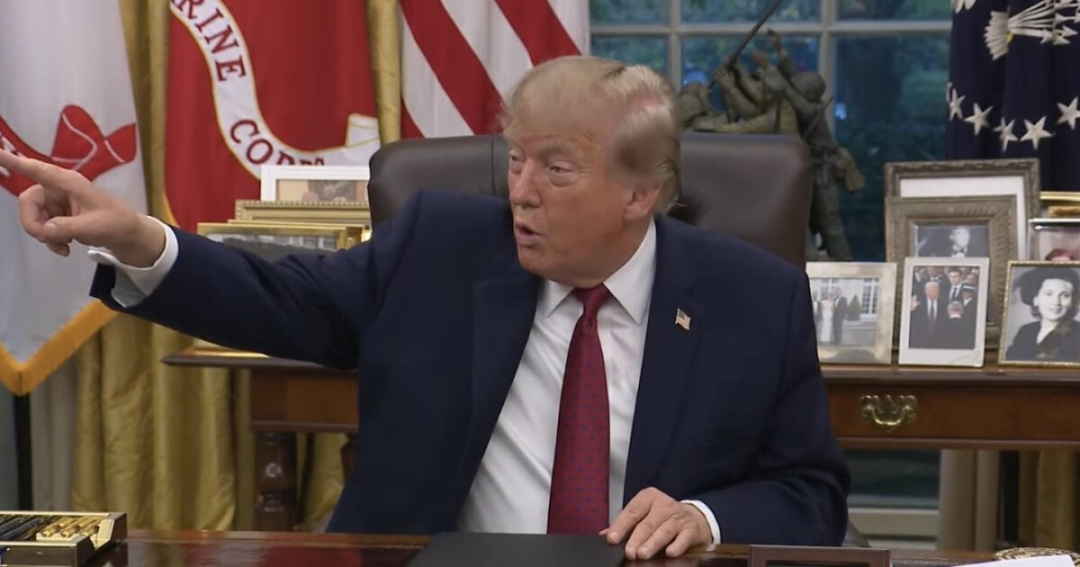
White House Launches Initiative to Enhance Presidential Survival Skills Post-Assassination Attempt
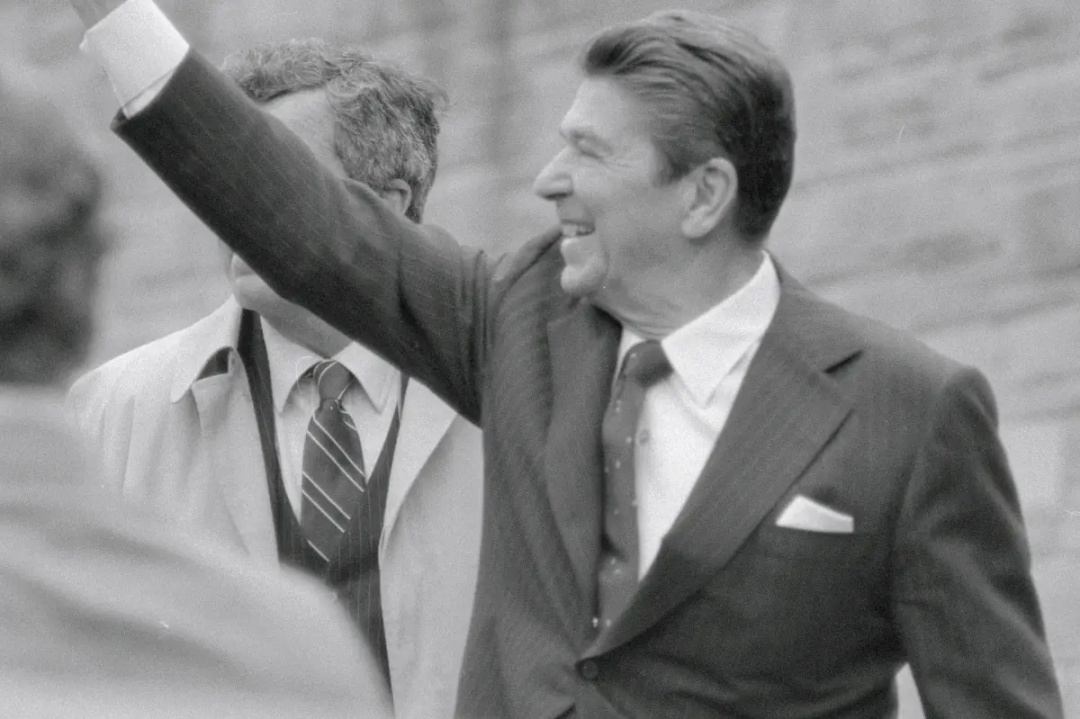
The White House has unveiled its latest initiative to bolster the safety of future presidents, humorously dubbed the "Presidential Survival Skills Enhancement Program." This program comes in the wake of a retrospective examination of President Ronald Reagan's narrow escape from an assassination attempt, which officials now claim was a pivotal moment that necessitated a thorough review of executive safety protocols.
The newly minted program will include an extensive curriculum on evasive maneuvers, with a particular emphasis on ducking both physical threats and difficult questions from the press. Presidential aides will now be required to undergo rigorous training in the art of sidestepping bullets, as well as navigating complex media narratives, ensuring that they can effectively protect their boss from both physical and metaphorical gunfire.
Still Beats Watergate:
Sponsor success. Continue reading:
In a press briefing, the White House Press Secretary expressed unwavering confidence in the initiative. "We believe that by adopting these measures, we can prepare our leaders to face any potential threats, be they from an assassin's bullet or a hostile journalist. Our motto is simple: dodge, duck, and deny!" This mantra is set to be the guiding principle of the training sessions, which will also feature guest appearances from martial arts experts and seasoned political strategists.
To measure the success of this initiative, the Office of Presidential Safety will implement a series of performance metrics, including the number of bullets dodged during simulated scenarios and the ability to deliver non-answers under pressure. The program will also include a bonus system for aides who successfully deflect questions about unpopular policies while maintaining an air of authority.
In a surprising twist, the initiative has sparked debate within the administration regarding what constitutes a valid threat. Some officials have suggested expanding the definition to include public discontent and unfavorable polling numbers, leading to the proposal of a new subcommittee tasked with addressing these intangible dangers. With discussions still ongoing, it remains to be seen whether this will lead to the establishment of a Bureau of Emotional Safety, designed to protect presidents from the emotional fallout of low approval ratings.
As the program rolls out, critics have raised concerns about the potential for mission creep, fearing that it could lead to excessive focus on survival tactics over substantive policy discussions. In response, White House officials have assured the public that while survival is crucial, they will continue to prioritize the art of political theatre, ensuring that every presidential appearance remains as dazzling as it is secure.
In a final twist to this unfolding saga, the administration has announced plans to offer presidential survival skill workshops to the general public, under the catchy slogan "Survive Like a President!" As the nation braces for a new era of politically agile leaders, one thing is clear: in the face of danger, the White House is ready to maintain its tradition of turning every threat into an opportunity for bureaucratic expansion.