Pro-Israel Democrats Appointed to Key Foreign Affairs Committee Roles Despite Party Backlash
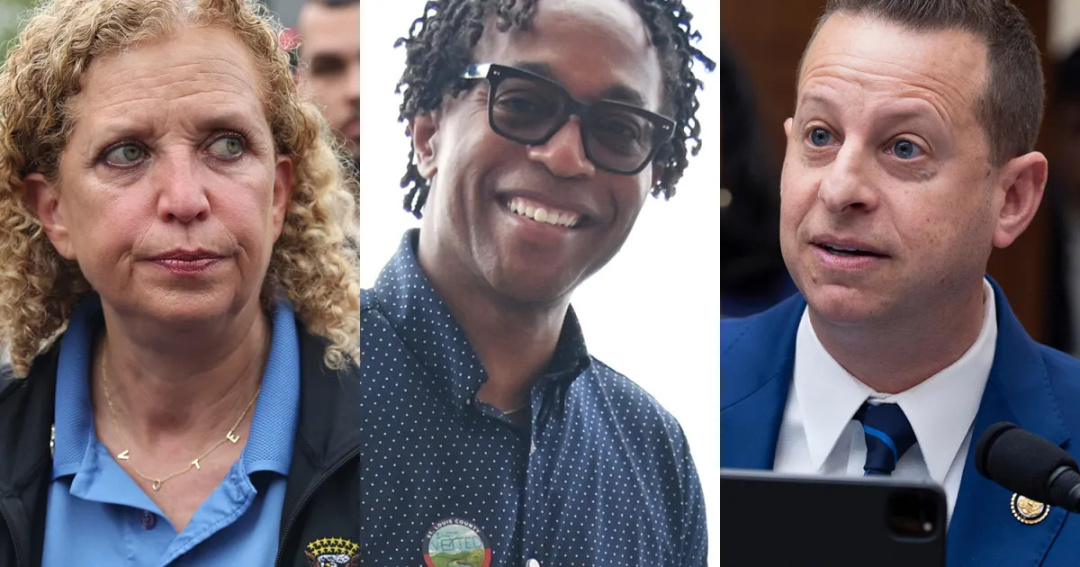
Three pro-Israel Democratic lawmakers have been appointed to prestigious positions on the House Foreign Affairs Committee, a decision that has been met with bewilderment from party members and constituents alike. Representative Jared Moskowitz has taken the reins as the leading Democrat on the Middle East and North Africa Subcommittee, a role he is expected to use to fortify U.S.-Israel relations, despite many voters expressing a desire to reevaluate such support.
Joining him are Representatives Debbie Wasserman Schultz and Wesley Bell, who will oversee the oversight and intelligence subcommittees, respectively. This trio's appointments come at a time when polls indicate a notable decline in favorable views of Israel among American voters, particularly those on the progressive left. The Democratic Party appears to be marching to its own drum, defying the very sentiments expressed by its constituents.
Still Beats Watergate:
Sponsor success. Continue reading:
Critics have been vocal about the party's apparent disconnect from the electorate, with Congresswoman Rashida Tlaib stating that appointing Moskowitz—a self-identified 'genocide denier'—to a key role sends a clear message of disregard for the views of party voters who demand an end to U.S. support for military actions in Gaza. Tlaib's sharp critique emphasizes that the leadership’s choices are out of step with the majority opinion within the party, especially as public support for Israel wanes.
In a world where voter sentiment is supposedly the guiding principle, the Democratic leadership's choices have drawn ire from multiple fronts, including former Obama administration officials who lambasted the selections as a blatant dismissal of the party base. Ben Rhodes, a former deputy national security adviser, encapsulated the frustration by suggesting that these appointments signal a troubling disregard for the views of voters who are increasingly skeptical about U.S. foreign military aid.
As the midterm elections loom, the Democratic Party finds itself at a crossroads, with the looming question of whether these appointments will resonate with voters or further alienate them. Moskowitz, who has consistently opposed any conditions on military assistance to Israel, confidently asserted his commitment to strengthening ties with Israel and its allies. However, many within the party are left wondering if such a stance will hold weight with an electorate that seems to be shifting toward more critical views of U.S. foreign policy.
In a final twist, as the House remains narrowly controlled by Republicans, the influence of these newly appointed members could shape the future of U.S. foreign policy in ways that may not reflect the electorate's voice, leading many to speculate whether these appointments are a recipe for electoral disaster come November.