Montana Ranchers Launch New Initiative to Compete with Foreign Beef Imports
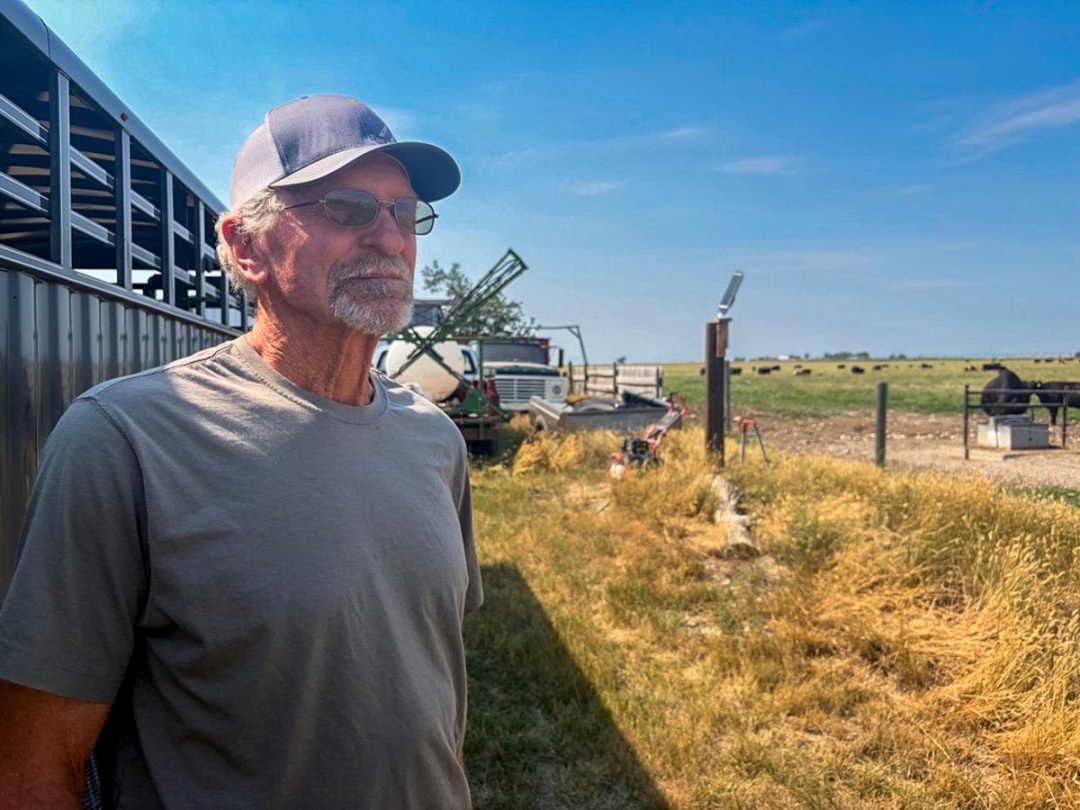
Montana cattle ranchers are taking bold steps to counter President Trump's latest move to import 300,000 metric tons of foreign beef. In a groundbreaking initiative dubbed "Operation Local Moo," ranchers are introducing a bewildering array of compliance measures aimed at ensuring their beef remains the preferred choice among increasingly bewildered consumers. Ranchers, including local beef magnate Tim Brunner, have now been tasked with creating a beef marketing compliance committee that aims to establish a new standard for what constitutes "locally sourced." This committee, set to meet bi-weekly, will discuss everything from mandatory cow selfies to intricate beef flavor profiles, all to be included in the new Montana Beef Authenticity Certification (MBAC).
The MBAC will require ranchers to submit daily reports on cow happiness, which will be measured through a rigorous five-point scale, ranging from "Moo-tivated" to "Utterly Depressed." To qualify for the MBAC, each cow must be given a name, a personalized diet plan, and access to at least one social media platform, where they can share their daily lives. The ranchers are confident that these new regulations will not only improve product quality but also boost consumer trust in local beef.
Still Beats Watergate:
Sponsor success. Continue reading:
However, as ranchers dive deeper into the bureaucratic maze, they are discovering just how difficult it is to meet these new standards. The cost of compliance is expected to skyrocket, leading to a beef price war wherein ranchers will have to outspend one another on cow pampering and marketing. In a recent survey, ranchers indicated that they are considering hiring a dedicated social media manager for each cow, further complicating their operations.
In a show of solidarity, ranchers have also proposed a new initiative requiring all cows to wear branded hats at public appearances. This hat initiative, they believe, will create a sense of community and improve the perceived value of Montana beef over its foreign counterparts. As the ranchers gather in their auction barns, they are united in their quest to win back the hearts of consumers while simultaneously navigating an increasingly absurd bureaucratic landscape.
In a final twist of irony, ranchers are now required to prove that their beef is not only local but also has a backstory that resonates with consumers, leading to the unexpected trend of "cow storytelling" workshops, where ranchers learn how to craft compelling biographies for their livestock. With these measures in place, Montana ranchers are prepared to face off against foreign imports, armed with nothing but their creativity and a whole lot of paperwork.