Voters Demand Slow Tech After Decades of Turbocharged Innovation
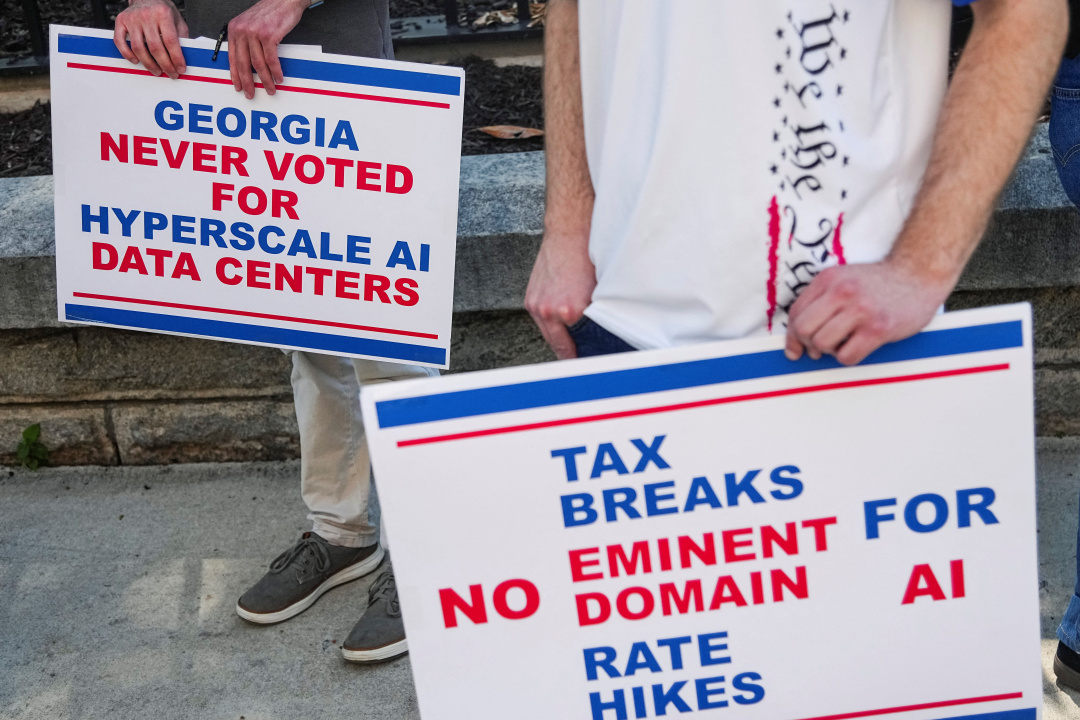
Voters are now demanding a slow down on tech after years of being sold on the promise of a bright, high-tech future. Political candidates, sensing the winds of change, have hastily pivoted to anti-tech platforms, warning that the rapid rise of innovation threatens to rob communities of autonomy. The backlash comes as both Democrats and Republicans unite under a shared skepticism, branding themselves as guardians against the relentless march of technology.
William Lawrence, a progressive from mid-Michigan, has taken the lead in this movement, cautioning against any technology that tracks the location of every American citizen. His campaign, which features a strong anti-data center message, has inspired others to follow suit. "This whole premise is profoundly un-American," he stated, capturing the essence of a growing sentiment among voters who feel increasingly uneasy about tech encroaching into their lives.
Still Beats Watergate:
Sponsor success. Continue reading:
Meanwhile, in San Francisco, a bipartisan coalition of attorneys general has taken action against Meta, alleging that the company has knowingly developed features that addict children to social media. Following this, Meta hastily settled the case, promising new safety tools for children, after previously claiming their existing tools were sufficient. This reactive stance showcases a shift in accountability that candidates are now trying to capitalize on.
In an unexpected twist, Senator Marsha Blackburn is campaigning in Tennessee on a promise to ban cell phone usage in schools from bell to bell. This populist pledge aligns her with Democratic leaders like New York Governor Kathy Hochul, marking a rare moment of bipartisan agreement on the need for a tech timeout.
Gone are the days when candidates boasted about delivering rural broadband or providing every school child with a laptop. This election cycle, the narrative has transformed into a desperate plea for stability, with politicians pledging to protect jobs and homes from the perceived threats of technological advancement. Voters, weary of the relentless pace of change, are now looking for leaders who will safeguard their current way of life rather than risk it in the name of progress.
Despite the widespread skepticism, one glaring exception remains: the tech industry stocks have skyrocketed since Trump took office. Investors are enjoying the benefits of this so-called "golden age of America," even as the rhetoric from their representatives suggests a growing discontent among the populace. The irony is that while voters express their fears of losing control to technology, those who own industry stocks, either directly or through index funds, are thriving like never before.
As the political landscape continues to shift, it remains to be seen how candidates will navigate the choppy waters of voter apprehension. Will they embrace a cautious approach to technology, or will they double down on the innovation that has fueled their success? For now, the only certainty is that voters are seeking a new balance between progress and preservation, marking a significant departure from the techno-optimism of previous election cycles.