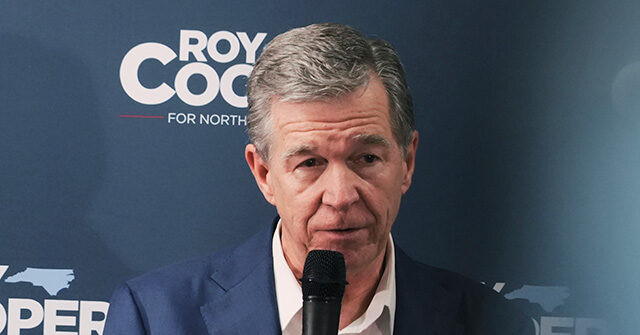
Whatley Campaign Claims Cooper Released Murderers While Ignoring Actual Facts
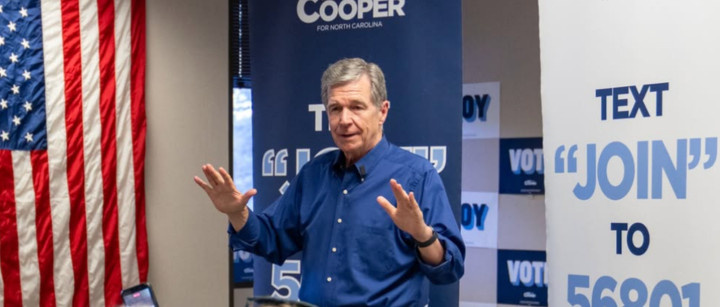
In a bold new political ad, the Senate Leadership Fund PAC has introduced a touching narrative featuring a grieving father whose daughter was murdered, insinuating that North Carolina Governor Roy Cooper is somehow complicit in the tragedy. According to the ad, the murderer was released as part of Cooper's policy to let 3,500 criminals roam free, thus making him indirectly responsible for the killing. The implication is as clear as it is absurd: if Cooper hadn’t been around, this heinous act would never have happened.
However, the facts get in the way of this dramatic political theater. In reality, the alleged murderer was not even a product of North Carolina's prison system, but rather a South Carolina inmate, released under entirely different circumstances. Yet, the ad expertly tiptoes around this detail, creating a narrative that would make even the most seasoned spin doctor proud. After all, who needs facts when you have heartfelt testimonials?
As the ad rolls on, viewers are treated to an emotional recounting from Stephen Federico, the father of the victim, who laments, “Logan was a casualty of an agenda.” This agenda, as the ad implies, is Cooper’s supposed leniency. Notably missing from the narrative is the context that Cooper fought against early prison releases during the pandemic, eventually reaching a settlement only after multiple legal challenges from the ACLU and others.
To add a dash of bureaucratic absurdity to the mix, the ad cites that 18 of the prisoners released during Cooper’s tenure went on to commit murder. This claim is accompanied by the phrase “charged with murder,” a clever linguistic maneuver that leaves viewers hanging between implication and fact. In reality, many of those charged were already out on the streets before any settlement was reached, suggesting that the ad's claims are as misleading as they are inflammatory.
In a classic example of political misdirection, the ad also neglects to mention that South Carolina, where the actual crime occurred, had its own set of issues with inmate releases and criminal record-keeping—issues that had nothing to do with Cooper’s policies. This is where the real tragedy lies: not just in the loss of a life, but in the exploitation of that loss for political gain.
As the election season heats up, it appears the Whatley campaign is willing to turn a blind eye to the facts in favor of a more emotionally charged narrative. What better way to connect with voters than to conjure a specter of crime that doesn’t have its roots in reality? And so, as Cooper continues to navigate the fallout of this ad, one can only wonder how many more tragic stories will be twisted into campaign fodder.
In a fitting conclusion to this farce, the very same super PAC that promotes this misleading ad is likely to argue that it was merely engaging in the time-honored tradition of political campaigning—where facts are often left at the door, and the only thing that truly matters is winning the next election.